
Key Takeaways
- Here’s the real deal: Psychiatric medication management is a science-backed protocol that includes comprehensive evaluation, personalized care plans, and ongoing monitoring.
- Tailored care is essential, as treatment plans are crafted based on each patient’s distinct background, habits, and therapeutic objectives, guaranteeing approaches that are both relevant and impactful.
- Continuous collaboration between patients, psychiatrists, and multidisciplinary teams improves outcomes by facilitating timely medication adjustments and integrating patient input throughout.
- Patient education — providing patients with clear information about why a medication is prescribed, its benefits, and possible side effects — helps patients take ownership of their care and adhere to treatment.
- The Berkeley method combines cutting-edge treatments, academic research, and community resources to provide comprehensive and compassionate psychiatric care.
- By engaging with community resources, embracing complementary therapies, and maintaining open communication, you will be well on your way to resolving your local psychiatric medication woes.
Psychiatric medication management in Berkeley is about knowing how your doctors, nurses, and therapists collaborate to schedule, monitor, and adjust medicines for mental health needs in this city. Our care teams use current research and practical moves to assist people in managing depression, anxiety, bipolar disorder, and other disorders. Every plan matches the individual’s health, history, and lifestyle requirements. Physicians typically see patients in the clinic or virtually, screen for side effects, and assist with dosage adjustments as necessary. To demonstrate how these teams operate and what patients should anticipate, this post outlines the fundamentals, typical processes, and essential advice for Berkeley locals.
What Is Psychiatric Medication Management?
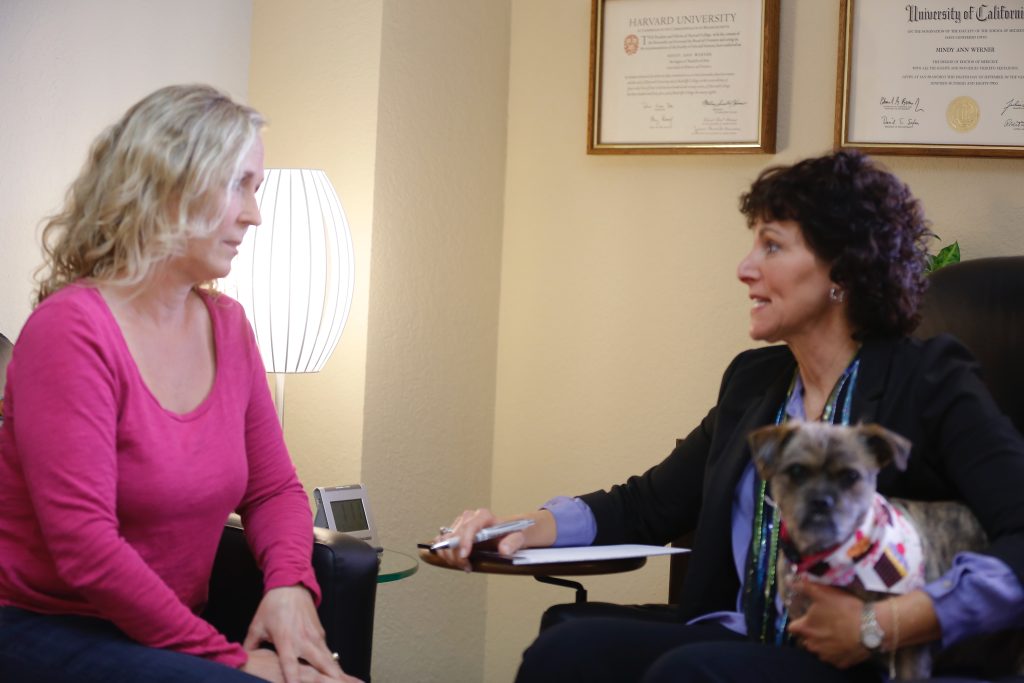
Psychiatric medication management is a guided process by board-certified psychiatrists that involves administering and actively monitoring medications for mental health. This innovative treatment approach adheres to a strict protocol to ensure every patient receives the right medication at the optimal dose for maximum effectiveness. It is vital for managing symptoms that can interfere with daily life, work, or relationships. Often, medicine and therapy, including cognitive behavioral therapy and other therapeutic modalities, are combined for many disorders such as depression and anxiety. This process is not merely about writing prescriptions; it emphasizes continual care, evaluation, and collaboration with each individual to enhance their mental health journey.
1. Initial Assessment
The initial stage of medication management is careful evaluation. A psychiatrist or trained mental health provider gathers the patient’s mental health history, symptoms, and medical information. This can incorporate familial history, social history, and previous treatment. Knowing what did or did not work in the past can prevent you from making the same mistakes again.
A strong patient-provider relationship is key. When people feel safe and listened to, they become more open about their experiences and symptoms. This honesty helps guide treatment choices. During the assessment, the provider looks for other conditions, such as substance use or physical health issues that could affect medication choices or responses. The initial visit usually takes about an hour.
2. Personalized Plan
Following the evaluation, a plan is worked out that suits the patient and his or her life. This is not a cookie-cutter fix. The psychiatrist chooses medications informed by research and what is presumed to most effectively address the particular issue. For instance, a panic attack patient may require different treatment than a chronic insomniac.
We set specific goals with the plan, like reducing anxiety or lifting mood. Follow-ups are scheduled, usually every few weeks initially, to monitor progress and adjust the plan as necessary.
3. Ongoing Monitoring
Regular check-ins are a core part of medication management. These visits last about 30 minutes. The psychiatrist looks at how well the medicine is working and checks for side effects. Standard tools and rating scales help track progress over time.
We want patients to be vocal about any side effects or concerns. This feedback directs adjustments to the treatment. The plan can pivot as symptoms shift and optimize outcomes.
4. Collaborative Adjustments
Patients are collaborators in this journey. Their feedback on how they’re feeling, what is working, and what is not informs treatment. Sometimes medications or doses need to differ, and these decisions are made collectively.
A team approach often works best. Psychiatrists can collaborate with therapists, case managers, or primary care physicians. Plans are examined and adjusted as mental health needs change or new life events arise.
5. Patient Education
Understanding your medication is critical to success. Patients are provided transparent information on why a medication was selected, its mechanism of action, and which side effects they should be alert to. They can inquire at any stage, which fosters confidence and comprehension.
Tools such as pill boxes, texting reminders, and cheat sheets keep patients adherent. Consistency is essential because skipping doses can lead to relapse or side effects.
Why This Process Matters
Psychiatric medication management is a key component in assisting individuals with mental health issues. When executed well, it creates an obvious process for patients and providers to collaborate, ensuring that every effort actually benefits the individual. Good medication management can improve quality of life for those dealing with mental health challenges, both in the immediate term and over the long haul. Medicine can get people through the day, hold jobs, or maintain relationships with friends and family. When thoughtfully selected and titrated, medication can alleviate acute suffering and offer individuals the space to engage in other areas of recovery, such as daily psychotherapy or life habits. This matters as research connects improved mental health to deeper social connections and increased economic security. Patients can participate more completely in school, work, and family life. For those in towns like Berkeley, with its eclectic and occasionally high-pressure environment, proper medication management helps narrow the divide between those who receive assistance and those left behind.
Medications are essential to stabilizing mood and reducing symptoms of most psychiatric disorders. These include depression, bipolar disorder, and schizophrenia. The proper medication can assist in alleviating depression, reducing anxiety, or preventing the manic episodes of bipolar disorder. These drugs operate by altering brain chemical levels. For example, antidepressants improve mood by increasing serotonin. Antipsychotics can quiet voices or stop delusions by regulating dopamine. It can take two to four weeks for these treatments to take effect, but some patients experience relief more rapidly. Still, medicine is only part of the solution. We all know how mental health is shaped by multiple factors, such as stress, trauma, or conflict at home or work. Some patients attribute their struggles to chemical imbalances, while others connect them to trauma or even spiritual beliefs. That’s why care teams in Berkeley must remain open to every model of distress. By listening to patients’ own narratives, we can discover new paths to recovery and ensure that care aligns with their values.
A customized treatment plan is crucial in achieving maximum results because no two patients are alike. What works for one might not work for another. These plans view the individual holistically, not just their symptoms. Providers need to consider a patient’s history, culture, and social background. For decades, studies have demonstrated that individuals with greater wealth and resources enjoy superior mental health, whereas those experiencing greater adversity have poorer results. For marginalized people, the care-finding process can be rough. Connections to mental health services may be tenuous, and the system may seem inaccessible. When providers construct plans based on each individual’s strengths and struggles, they make care more equitable and more effective, particularly for those who might benefit from intensive outpatient programs.
Continued encouragement and consistent follow-up ensure the patient stays on course. As we all travel through life, our needs shift. Routine check-ups allow doctors to identify side effects immediately, adjust dosages, or change medications if necessary. This process helps reduce complications, increase patient satisfaction, and optimize outcomes. Patient-centered, recovery-focused care imbues patients and their providers with purpose and optimism. When care teams listen to and appreciate patients’ personal perspectives, treatment is more likely to be effective and enduring, reinforcing the importance of a strong therapeutic relationship.
The Berkeley Approach
Berkeley’s approach to psychiatric medication management emphasizes a patient-centered model that treats each individual as unique. Care teams combine traditional psychiatry with innovative treatment approaches, such as cognitive behavioral therapy and integrative medicine, to address not just symptoms but also the underlying causes of mental suffering. Customized care plans are typical, pulling from multiple therapies, including mindfulness techniques. This approach celebrates cultural sensitivity, welcoming diversity, and bridging access gaps for underrepresented populations. Cross-disciplinary collaboration is the norm, with mental health professionals working alongside general physicians, social workers, and community advocates to address all dimensions of well-being.
Modality | Description |
Psychotherapy | Talk therapy for managing emotions, thoughts, and behaviors |
Pharmacotherapy | Medication management for symptom relief or stabilization |
Mindfulness-Based Therapies | Practices like meditation to increase awareness and manage stress |
Lifestyle Modification | Changes in diet, exercise, and sleep to support mental health |
Trauma-Informed Care | Strategies to address and heal trauma |
Peer Support | Shared experiences to foster connection and understanding |
Family Therapy | Involvement of family to enhance support networks |
Crisis Intervention | Immediate support for individuals in acute psychological distress |
Holistic Integration
Berkeley’s care model is holistic, understanding that mental health is connected to emotional, physical, and social factors. Care typically involves integrative modalities like mindfulness, yoga, or nutritional guidance in addition to conventional pharmacologic control. These mixtures can aid short-term symptom reduction and long-term resilience.
Working together is half the fun. Teams can consist of psychiatrists, psychologists, primary care physicians, and social workers. Consider an anxious patient who collaborates with a psychiatrist for medication, a therapist for cognitive behavioral therapy, and a nutritionist to tackle trigger foods. This collaborative method enables more detailed individualized treatment plans.
Lifestyle advice is ubiquitous. Patients could be advised to maintain regular sleep schedules, healthy diets, or daily movement, all known to benefit mental health. Body-based skills like guided breathing or mindfulness techniques are commonly recommended, and with good reason. Research demonstrates they assist in mood regulation and stress reduction.
Community Resources
- Berkeley Mental Health: Offers community-based mental health services, crisis intervention, and counseling for all ages.
- NAMI Alameda County: Provides support groups and education for families and individuals affected by mental illness.
- Peer Support Groups: Options such as Hearing Voices Network and Depression Bipolar Support Alliance offer mutual aid and lived experience insight.
Workshops and lectures on stress management, trauma, and cultural inclusion are commonplace. Such events raise consciousness and show practical care for yourself. Community is key, and feeling connected with others alleviates isolation, particularly for new or first-generation students.
We offer telepsychiatry services, opening up our expertise to individuals with restricted mobility or tight schedules. Virtual sessions can help make continued assistance more accessible regardless of where you live.
Academic Influence
Local universities are at the forefront of mental health innovation, particularly in areas like psychotherapy and psychiatric consultation. Institutions such as UC Berkeley are advancing research in psychiatric care, which frequently leads to innovative treatment approaches and tools. These partnerships effectively merge academic knowledge with clinical practice, producing strong evidence-based protocols that are deployed in the field.
Programs like early psychosis intervention and culturally adapted therapy have emerged from this ongoing research. For instance, data-driven models help clinicians identify students at risk, facilitating early intervention and ensuring that best practices remain current and informed by the latest insights.
Your First Consultation
The initial psychiatric visit is a methodical, hour-long appointment designed to guide both the patient and clinician in discussing mental health and devising an individualized treatment plan. Typically, individuals see a psychiatrist following a brief intake that can be done via phone or online prior to the appointment. This intake collects foundational information about health background and motivation. During the appointment, your psychiatrist will ask a lot of questions regarding symptoms like feeling low, anxious, sleepless, or overwhelmed. This isn’t a mere checklist; it is an extensive discussion that allows the psychiatrist to develop a comprehensive understanding of the patient’s status and tailor the approach toward effective psychotherapy.
We frequently have people ask us what they should bring or say at their initial appointment. It’s important that you bring a list of all medications—prescribed, over-the-counter, and supplements. This aids the psychiatrist in making safe decisions and identifying any potential medication interactions. Additionally, it’s helpful to bring medical records or notes about previous treatments, even if they’re from another country. When in doubt, jot down major events, dates, or past medicine trials. These specifics assist the psychiatrist in verifying what has worked or not in the past and constructing a more effective plan, which may include options like cognitive behavioral therapy or other therapeutic modalities.
Opening up and being honest is the key to a useful first session. We tend to feel pressure to say what we think is “right” or cover up things we’re afraid may sound weird. In fact, mental health symptoms are common and nothing to be ashamed of. Whether it’s mood swings, insomnia, or anxiety, all information is helpful. For instance, if they’ve experienced strong side effects from medication in the past, this should be shared. If someone isn’t sure how to describe feelings, plain language or examples, such as ‘I don’t like things I used to’ or ‘I can’t sleep for more than four hours’ are sufficient. Small things, like shifts in appetite or energy, count and need to be reported to enhance the treatment process.
Your initial consultation is a sanctuary. Psychiatrists treat individuals from all backgrounds and recognize that discussing mental health may be challenging. We don’t judge during the visit; instead, we listen and help. The first session is not simply about billing treatment. It’s about establishing trust and collaboration. The psychiatrist will outline the next steps, such as medication management, follow-up appointments, or therapy sessions. Most medications take two to four weeks to demonstrate their full effect, so we schedule early check-ins every two to four weeks. These follow-ups, which last approximately 30 minutes, assist the doctor in modifying treatment if necessary, ensuring a supportive therapeutic relationship throughout your mental health journey.

Exploring Treatment Options
When it comes to treating mental health issues in Berkeley, the options run the gamut from proven pharmaceuticals to emerging therapies like cognitive behavioral therapy and mindfulness techniques to holistic strategies. Treatment options generally begin with a psychiatric consultation, where a provider goes over symptoms and describes potential ways forward. Both aim to meet the individual patient’s needs through an individualized treatment plan with close monitoring and continuous evaluation. Below is an overview of both conventional and emerging options.
- Traditional medications: antidepressants, antipsychotics, mood stabilizers, anxiolytics
- Newer medications: drugs discovered in the past 10–15 years
- Innovative therapies include ketamine infusion, transcranial magnetic stimulation (TMS), and psychedelic therapy.
- Complementary and alternative treatments include mindfulness, cognitive behavioral therapy, art therapy, group therapy, and herbal preparations such as St. John’s Wort.
- Combination approaches involve the integration of medication and behavioral techniques for holistic care.
Traditional Medications
- Selective serotonin reuptake inhibitors (SSRIs): ease depression, anxiety
- Serotonin-norepinephrine reuptake inhibitors (SNRIs): target mood disorders
- Tricyclic antidepressants: treat depression, sometimes chronic pain
- Mood stabilizers (e.g., lithium): manage bipolar disorder
- Antipsychotics: help with schizophrenia, severe mood swings
- Anxiolytics (e.g., benzodiazepines): short-term relief from anxiety
Medications alter neurotransmitter chemicals in the brain that regulate mood, thoughts, and behaviors. With some 20 antidepressants approved, doctors play detective with their patients. Symptom improvement can begin within two to four weeks. It can take longer for the full effects to occur. If one medication doesn’t work, a doctor might alter the dose or try a different one. With starting or changing medications, regular check-ins every two to four weeks are standard.
Side effects might be mild (nausea, headache) or serious (weight gain, sexual dysfunction). Due to these dangers, observation is crucial. These examples illustrate the need for personalized plans. What helps person A might do nothing for person B. Most people take antidepressants for eight to twelve months or even longer, since coming off the medication too soon can lead to a relapse.
Innovative Therapies
Emerging treatments such as ketamine therapy and TMS therapy are gaining ground in the field of psychiatry. Ketamine, once primarily an anesthetic, is proving to be a potentially transformative option for providing rapid relief in cases of resistant depression that are unresponsive to traditional medications. TMS employs magnetic stimulation to activate mood-relevant brain areas without the need for sedation or pharmaceuticals, making it an innovative treatment approach.
The study of these treatments is growing rapidly, with clinical trials demonstrating that psychedelic-assisted therapy can aid in conditions like PTSD and anxiety disorders. Research continues to evaluate their safety and efficacy for broader populations, highlighting the importance of individualized treatment plans. Although access to these treatments may be restricted, they provide hope in the face of other options failing.
Clinical supervision is crucial for these therapies. Patients interested in these innovative treatments need to discuss the risks, benefits, and whether they’re suitable candidates with their provider. These therapies are typically incorporated as part of a broader strategy that can involve medication and psychotherapy, enhancing the overall therapeutic process.
Complementary Approaches
While medications are a common form of treatment, alternative therapies, including mindfulness and art therapy, offer means to cope with symptoms beyond or in addition to medicine. Mindfulness helps anchor patients in the present, which can ease anxiety and stress. Art therapy provides imaginative outlets for conveying complicated feelings.
Combining these methods with conventional treatments provides a more comprehensive route. Behavioral therapies, such as cognitive behavioral therapy (CBT), tend to be most effective when used alongside medications. Group therapy and peer support groups instill a community and camaraderie.
Others test herbal remedies, such as St. John’s Wort. The proof of their efficacy is thin, and they can interfere with your prescribed medications. Trying out various treatments allows individuals to discover what aligns with their preferences.
Navigating Local Challenges
To get to know psychiatric medication management in Berkeley is to encounter a hybrid of local challenges. For many, that journey includes not just navigating through feelings of depression or anxiety, but dealing with problems related to grief, relational stress, or burnout from the recent world events. These challenges are made more complex when individuals need to navigate a local healthcare system that can seem inaccessible or difficult to comprehend. Others, particularly those from different cultures or languages, may have language or cultural barriers that prevent clear communication and trust with healthcare providers. This compounds the risk of misinterpreting treatment regimens or falling through crucial assistance.
One of the biggest barriers is access to mental health care. For example, in Berkeley, you may have a long wait for an appointment or limited choices if you’re on public health care. Even when resources are available, not everyone is aware of where to turn, and some individuals feel uneasy or stigmatized seeking support. Local clinics, community centers, or university mental health services can often help fill these gaps. Through peer support groups or local mental health advocacy organizations, there’s help to feel less isolated. If you have dependent care responsibilities, from raising kids to caring for an aging parent, carving out time for yourself or appointments becomes an additional stress, making daily psychotherapy more challenging.
Stigma is yet another obstacle, both personally and locally. There is a stigma here where people might be concerned about what others think if they pursue psychiatric medication or therapy, which can even cause them to hide their difficulties. This complicates the process of developing frank and trusted relationships with healthcare teams and occasionally leads to late treatment. Open conversations around mental health, online and in person, can assist in lessening this stigma. As we share our experiences and support others in our community, we’re cultivating a culture where mental health is considered an aspect of wellness — not a taboo.
Stick with it when charting through local treatment and support. Medicines are rarely a clean-cut issue. Individuals may need to sample multiple options or switch up courses of treatment before discovering what works. Resilience in this context is about becoming comfortable with obstacles, realizing that growth can be slow, and figuring out when to pursue new guidance or attempt alternative tools. Sometimes it’s just a matter of baby steps, asking a pharmacist some questions, or hitting a peer support meeting. Other times, it involves collaborating with a therapist or doctor to customize medicine and assistance plans to suit personal needs.
Conclusion
To understand psychiatric medication management in Berkeley, consider the broader context. The process requires collaboration, confidence, and candid communication. Every step from your initial conversation with your provider through medication selection influences your treatment. Local clinics in Berkeley rely on resources such as digital charts and shared decision-making to keep everyone on track. Berkeley folks have real issues to deal with, waitlists and shifting health policies, but great support networks. Maintaining communication with your care team goes a long way. If you’re junior or just hungry for better care, keep asking questions and check in with your provider. Stay abreast of local clinic news and consult others in your network.
Frequently Asked Questions
1. What Is Psychiatric Medication Management?
Psychiatric medication management involves a licensed therapist prescribing and adjusting psychiatric medications to effectively treat mental health conditions.
2. Why Is Psychiatric Medication Management Important?
It helps ensure that psychiatric medications are safe and effective, personalizing treatment with daily psychotherapy sessions.
3. What Should I Expect During My First Consultation In Berkeley?
You’ll discuss your history, symptoms, and goals during the psychiatric consultation, where the provider might recommend lab tests or initiating or adjusting psychiatric medications.
4. How Does The Berkeley Approach Differ?
Berkeley providers are known for a collaborative, holistic approach that emphasizes medication, daily psychotherapy, and other supports such as therapy and lifestyle changes.
5. What Treatment Options Are Available Besides Medication?
This may include psychotherapy, lifestyle changes, support groups, and innovative treatment approaches. Your provider will assist in discovering the appropriate mix for your mental health journey.
6. How Often Are Follow-Up Appointments Needed?
Follow-up visits for outpatient treatment programs are often every few weeks initially, then become less frequent as your treatment stabilizes, depending on your needs and psychiatric medications.
7. What Local Challenges Might I Face In Berkeley?
Issues such as provider availability, insurance, and cultural considerations can be a challenge in accessing daily psychotherapy. Most clinics are supportive in helping you through these mental health concerns.
Find Support And Connection Through Group Therapy
Blue Sky Psychiatry offers group therapy that brings people together in a supportive, guided setting. Many clients feel isolated when dealing with anxiety, depression, ADHD, or major life stress. Group therapy gives you a place to share your experience, learn from others, and build skills that help you move forward with more confidence.
Dr. Mindy Werner-Crohn and Shira Crohn, PA-C, lead groups with a focus on safety, clarity, and practical tools. Each session encourages honest conversation and steady progress, and every member is supported at their own pace. You get the benefit of expert clinical guidance plus the strength that comes from hearing others who understand what you’re going through.
If you want a structured, cost-effective way to grow emotionally, group therapy can help you gain insight, reduce feelings of isolation, and practice healthier ways of coping. Reach out to Blue Sky Psychiatry to learn more about upcoming groups and find the one that fits your needs.


