

Healing through connection in couples therapy post-trauma involves both partners coming together in a supportive environment to repair trust and reestablish their relationship. We’re often isolated from each other after difficult periods, and couples therapy can help you as partners communicate, be validated, and exchange pain in ways that promote genuine recovery. For many couples, simply talking with the right therapist can open up new ways to view one another and manage stress. Each session provides straightforward action steps for each partner to build trust, set achievable goals, and understand what nurtures or damages their healing. The middle of this post describes what therapy looks like and how little shifts can help couples get well together.
Key Takeaways
- Trauma plays a huge role in emotional connection and communication patterns in relationships. It’s important for partners to understand how their own trauma histories impact their dynamic.
- Effective couples therapy after trauma depends on creating a safe and supportive environment where both emotional and physical safety are prioritized to encourage open communication.
- Learning to recognize and regulate emotional triggers as a couple builds compassion and allows couples to disrupt trauma-induced patterns of harm. This enables healing and development on both sides.
- Choosing the appropriate type of therapy, whether it be emotion-focused, body-based, or narrative-based, should be a mutual choice made with consideration to the couple’s specific needs to facilitate holistic healing.
- By attuning to the body’s role in emotional regulation and by practicing informed touch and shared presence, couples can deepen intimacy and enrich the healing process.
- Healing progress is gauged by better trust, communication, and shared goals. All of these are addressed in couples therapy after trauma, with ongoing feedback and milestone celebration helping to fuel motivation and resilience.
How Trauma Reshapes Connection
Trauma can imperceptibly rearrange connections between partners, often creating emotional distance that interferes with the ability to sense intimacy or security. These walls may be invisible, yet they significantly influence how we behave, communicate, and experience one another in intimacy. Trauma can manifest itself as withdrawal, quietness, or even constant bickering, leading to unresolved trauma in the relationship. Understanding how trauma reshapes connection is the path toward healing together through professional support and comprehensive counseling support.
The Individual
Each spouse brings his or her own narrative and history of suffering. These experiences inform their perceptions of themselves and others. Trauma can make a person guarded, anxious, or quick to pull away. It begins as all healing must, with understanding your own triggers and wounds.
- Childhood neglect or abuse
- Loss of a loved one
- Witnessing violence
- Surviving disasters or accidents
- Ongoing stress or discrimination
- Medical trauma or chronic illness
Most of all, personal healing is key. It allows both individuals to show up with their healthiest selves to the partnership. Self-awareness enables partners to recognize when ancient hurts are driving contemporary strife. Without this, hurt from the past can bleed into the current moment.
Self-reflection and therapy can make each partner stronger. When partners are aware of their boundaries and needs, they are able to connect in a healthier manner.
The Partnership
Trauma alters the way couples communicate. Little stuff can seem huge, and miscommunications can blossom quickly. Partners could withdraw from difficult conversations or respond with hostility. This can result in trust issues and isolation.
Backing is essential. When both individuals bring patience and care, they can weather difficult periods together. Opening up about trauma creates trust. It allows both partners to witness one another’s suffering and resilience.
Empathy is a requirement. Couples who listen with understanding heal together. This opens the door for authentic conversation.
The Cycle
Trauma can make partners regurgitate ancient ways. These cycles manifest as pushing away, numbing, or blame. Left unattended, these cycles can persist for decades.
- Call the Pattern: Pay attention when fights or distance ensues according to a well-worn script.
- Take a Moment: Give yourself a moment to inquire what is actually occurring.
- Find Therapy: Trauma-informed assistance can transform old responses into new decisions.
- Try New Habits: Trade blame for curiosity and criticism for support.
Both partners have to be a team. Naming the cycles makes change possible together.
The Couples Therapy Framework
A couples therapy framework that works after trauma is grounded in knowledge, security, and educated implementation. What distinguishes trauma-informed couples therapy from traditional couples therapy is the use of trauma theory, attachment theory, and recent neuroscience research to facilitate healing relationships between partners. Styles such as PACT, IMAGO, EFT, and Gottman’s work steer the procedure. This method tackles both emotional wounds and relationship dynamics while providing actionable tools for relationship healing.
1. Creating Safety
Emotional safety is the prerequisite for any relationship counseling work, especially when addressing trauma histories. Partners need to feel they can share thoughts and feelings without getting blamed or shamed. The therapists establish ground rules, use soft language, and ask before they touch on a sensitive subject. It’s in this supportive environment that you talk openly and give candid feedback, fostering a deeper connection through integrative therapy techniques.
Physical safety is just as important as emotional safety. Others, particularly trauma survivors, can feel uncomfortable with touch or close proximity. Trauma-informed touch, especially in PACT therapy, regulates the nervous system and soothes anxiety but is always optional and consent-led. With polyvagal theory as its cornerstone, this process demonstrates how body cues and touch can calm these stress signals, ultimately aiding in the journey of trauma recovery.
Each therapy session should permit either partner to request what they require to pause, take a break, or employ grounding techniques. These actions build trust and create a supportive space to surface painful memories or emotions, which is essential for healing relationships.
2. Mapping Triggers
Most couples will wrestle with emotional triggers connected to deep-seated trauma. These triggers can surface during casual conversation, in intimacy, or when confronting conflict. A big part of therapy is learning to recognize these triggers and communicate them in simple terms.
The couples therapy framework, Partners collaborate to construct ways to manage triggers, such as agreed cues or micro-breaks. This collaboration prevents accusatory finger wagging and allows both parties to feel validated. By mapping triggers, couples witness how trauma shapes reactions within the relationship.
Developing a common catalog of known triggers generates compassion. It makes partners attuned to one another’s stress and respond with compassion instead of frustration.
3. Rewriting Communication
Trauma breeds bad talk, such as withdrawal, blame, or shutting down. Couples therapy instructs on explicit, candid talking and engaged listening. Partners learn to check in, listen without fixing, and express needs with simple words.
The emphasis is on employing ‘I’ statements, mirroring emotions, and taking time-outs when tensions escalate. These tools tear holes in old patterns and construct new faith. Over time, better talk results in less fighting and more comfort during difficult moments.
Therapists demonstrate how to apply validation, a technique grounded in both attachment and trauma theory. This keeps the couple calm and close, even when things are rough.
4. Rebuilding Trust
Trust can shatter after trauma, yet it can grow back, given time and love. The initial step is being steady, showing up, keeping promises, and being kind. Regularity is essential for couples relearning how to rely on one another.
Vulnerability has a big role. If one partner opens, the other develops to receive without judgment. This transparency paves the way for forgiveness and profound healing. Forgiveness is not about forgetting but about releasing just enough to walk on together.
Specific Therapeutic Approaches
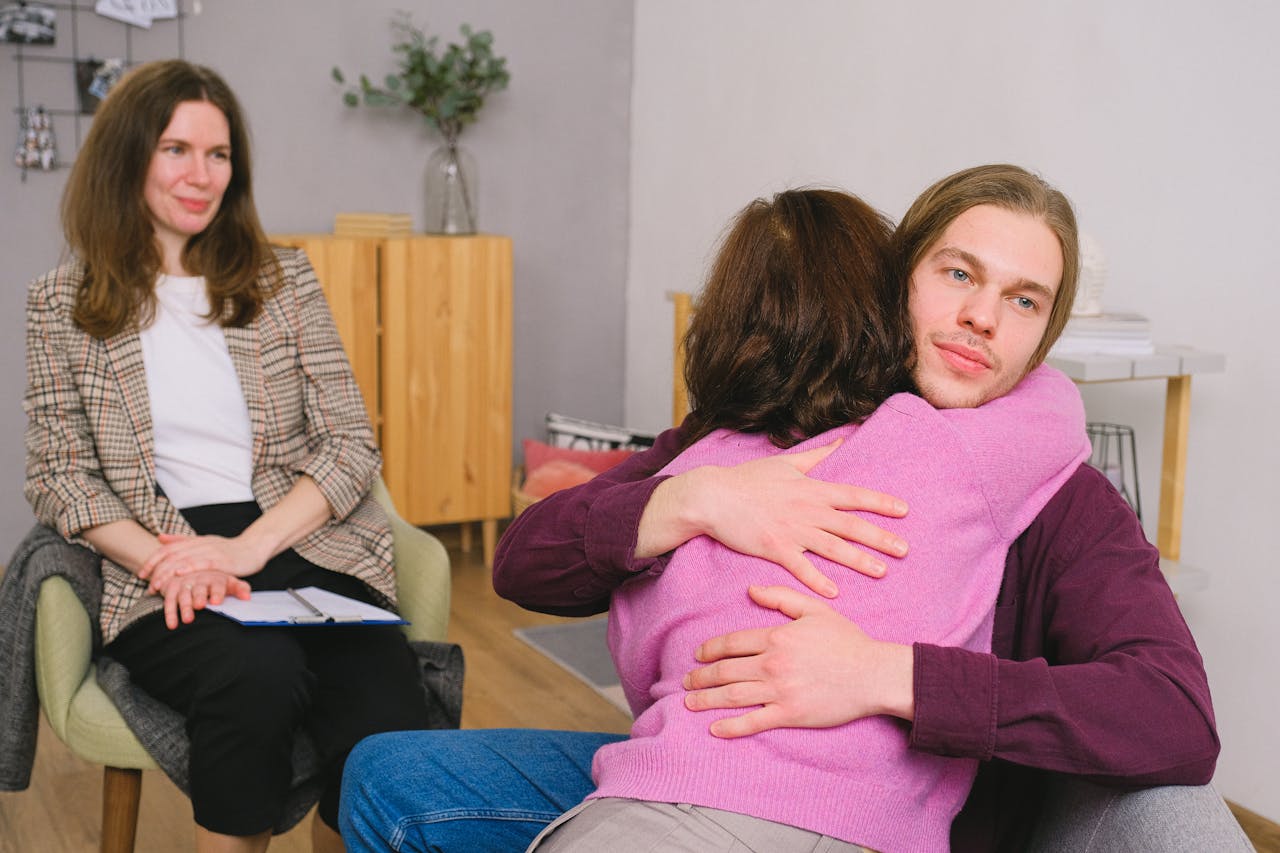
The choice of therapeutic approach is crucial for couples recovering from trauma histories. Every couple’s emotional landscape, including past trauma, requires personalized counseling, so the right fit matters. Therapists frequently blend techniques, such as integrative therapy and focused couple therapy, for more profound repair. Together, you, your partner, and the therapist discover which approaches work best in any particular circumstance.
- Matching therapy style to a couple’s needs builds trust and safety.
- Blending approaches (EFT, somatic, narrative) touch trauma across multiple levels.
- Giving both partners input increases engagement and outcomes.
- Trauma-informed care provides safe options, such as alternatives to touch.
- Specific therapeutic approaches, such as integrative therapies like PACT, IMAGO, Gottman, and DARe, cater to healing both emotions and the body.
Emotion-Focused
Principle | Effect on Emotional Intimacy |
Emotional attunement | Builds understanding and empathy |
Validation of feelings | Reduces shame, increases closeness |
Softening defenses | Lowers barriers to connection |
Expressing vulnerability | Deepens trust and bonding |
Repairing ruptures | Restores emotional safety |
Emotion-focused therapy (EFT) helps couples tune into their feelings and see how emotion motivates action. This approach appreciates emotional attunement, when each partner feels and responds to the other’s emotional cues. It brings partners closer by building empathy. Practices such as mirroring, role-play, and guided dialogue help couples become comfortable expressing difficult emotions without concern for condemnation or abandonment.
It’s scary to process hard emotions. Therapists assist couples in identifying, experiencing, and navigating these emotions collectively. This creates a safe zone of authenticity and development. When you prioritize emotional intimacy, you rebuild trust following trauma and emerge stronger and closer as a couple.
Body-Based
Somatic therapies engage the body’s response to trauma, not just words or cognition. Interventions like Somatic Experiencing, PACT, and trauma-informed touch assist partners in identifying physiological responses such as tense muscles, short breaths, or anesthesia that frequently indicate historical trauma. Specific therapeutic approaches like Stephen Porges’ polyvagal theory teach us how touch and presence can support the nervous system in shifting from threat to safety.
Touch soothes or incites. Trauma-informed touch provides gentle, guided touch or substitutions as necessary. Mindfulness and breathing exercises regulate the nervous system and provide couples with tools for self-soothing and co-regulation. Bessel van der Kolk’s work reminds us that trauma lives in the body, so movement and sensation play a part in healing. Physical proximity, when safe, builds more trust and calm.
Narrative-Based
Narrative therapy allows partners to reframe their trauma narratives. Everyone contributes the same, which fosters empathy. Rather than being rooted in old pain, couples come to view themselves as resilient. Through joint storytelling, it allows them to craft a new, shared narrative.
It’s an approach that enables couples to discover significance in their pain. They support one another by listening, validating, and reflecting. As they re-narrate, traumatic memories can recede. This common story sustains hope and connection over time.
The Body’s Role In Healing
Trauma, as we’ve come to understand, isn’t just something that occurs in the mind, but it’s lodged in the body. Our bodies remember and react, influencing how couples therapists facilitate healing and bond after trauma. When two people engage in relationship counseling, their bodies are center stage, providing cues, sanctuary, and healing avenues that language cannot touch.
Mind-Body System
Trauma impacts the nervous system, which can make it difficult for people to remain calm or feel safe. The body could respond with heart palpitations, muscle constriction, or anxiety. Partners might not realize these responses are reflexive and anchored in the polyvagal theory of the autonomic nervous system. This is the theory of how our bodies respond to threat and safety, shaping feelings and behavior.
Assisting couples to recognize these reactions is crucial. Simple steps such as taking a moment to observe breath or posture can reveal when the body is stressed. Grounding exercises like feeling the floor or holding a familiar object provide anchors to the present. Mindfulness helps, teaching the mind to observe and embrace sensations as they arise. When practiced in therapy, these tools enable partners to navigate difficult moments together, creating trust and stability.
Informed Touch
Touch, when educated and consensual, is a potent healing instrument. Trauma-informed touch applies slow, tender presence to provide the nervous system a chance to calm. The body can send signals of safety, such as a light hand on the back, holding hands, or a supportive embrace. It is essential that both partners compromise on what is comfortable. Open conversation about comfort and consent sets the stage for good touch.
Some partners won’t want touch initially. That’s normal. The intent is to mold a mutual strategy, one in which touch is only applied in a manner both consider beneficial. This cultivates reverence and intimacy, heals trauma, and fortifies their relationship.
Shared Presence
Being truly present in therapy with one another is to listen, observe, and care without distraction. Couples can cultivate this shared presence in easy mindfulness moments, such as eye gazing, breath synchronization, or silence sharing. These activities cultivate mindfulness and connect partners.
Other inputs: a nod, a soft look, and gentle posture, which frequently talk louder than words. This kind of shared presence intensifies emotional connections and allows couples to feel noticed and appreciated, even when conversation is difficult. Over time, this consistent presence creates soil for healing together.
Navigating The Healing Journey
Healing from trauma is not linear, and in the context of couples therapy, couples often move through stages. First, they build safety and trust. Next, they process emotions and past trauma. Then, they work toward restoring connection and finding new meaning together. All these stages require time, self-compassion, and a safe, nurturing environment. A holistic perspective addressing physical, emotional, and even spiritual requirements can aid in rendering the journey more comprehensive and well-rounded.
Individual Needs
- Respect each partner’s pace of healing
- Listen to each person’s story without judgment
- Encourage self-care practices (exercise, sleep, nutrition, stress management)
- Support time for individual reflection and therapy
- Allow space for different coping strategies
Posting about your healing journey is important. When partners share their struggles and needs in a safe space, it creates trust and understanding. Couples therapy is effective when both partners are willing to discuss what supports or impedes their healing. Some of you may need solitude and space following a grueling session, while others might prefer to immediately process through conversation.
Individual therapy can complement couples’ work nicely. It allows everyone an opportunity to heal from trauma, focus on self-care, and develop coping mechanisms. This support is particularly critical given that trauma can disrupt sleep, eating, and mood. Honoring varying speeds of healing, such as one partner progressing more quickly than the other, helps to maintain the journey as equitable and secure for both individuals.
Shared Goals
Setting joint healing targets in treatment provides both individuals a purposeful path. These objectives, co-shaped, could be things like re-establishing trust, enhancing communication, or handling stress as a couple. When couples reach agreement on what they want to accomplish, it creates a sense of commitment.
Common goals make the union more powerful. They assist both individuals to realize that moving forward is doable, even if it’s gradual. When couples collaborate, they discover how to affirm one another’s desires while still advancing toward shared aspirations. This may be as simple as committing to check in with each other regularly or as complicated as planning for the future in tandem.
#collaborationiskeyforsuccess Clearing what each partner desires, individually and as a couple, keeps the process transparent and directed.
Measuring Progress
Method | Description |
Self-assessment | Regular journaling or mood tracking |
Couple check-ins | Scheduled talks to review feelings and goals |
Therapist input | Ongoing feedback based on session observations |
Milestone notes | Celebrating small wins or changes |
These check-ins help you gauge emotional development and shifts in relationships, providing a supportive space for both partners. Feedback from both partners and the therapist guides the therapeutic process and adjusts goals. Small victories, whether it’s sharing a hard feeling or committing to a new habit, keep the motivation alive. By following along on both the bad days and the good, we see how far the two have come in their journey of relationship healing.
Finding Your Therapist
Finding your therapist who understands trauma and fits the dynamic of both partners is crucial for effective relationship counseling. Researching potential therapists begins by verifying their background and ensuring they come with a license and substantial experience in trauma recovery. Certain therapists are specifically trained in trauma therapy, while others may focus on relationship dynamics or anxiety. Searching through profiles on professional websites, credential hunting, and review checking all provide an extra dimension of perspective. Most international directories allow you to narrow by specialty, location, and even languages spoken, which is particularly helpful for intercultural couples.
Matching your values and needs to a therapist’s approach is critical for success. Some therapists specialize in cognitive-behavioral couple therapy, while others focus on integrative therapy or emotion-focused techniques. If one or both partners prefer a slower pace, or if you seek concrete steps and feedback, it’s essential to ensure the therapist’s style aligns with your expectations. Many find it useful to discuss the therapist’s techniques regarding trauma in couples during a first call or email. Engaging with someone who honors your cultural identity or significant values can enhance the therapeutic process. Other couples may look for therapists who have experience working with LGBTQ+ clients, differing faiths, or blended families.
Practicalities are also important in the therapy journey. The therapist’s location and format, whether in-person or online, should be convenient and comfortable for you. Some individuals prefer the privacy of online sessions, especially if local options are limited. Others appreciate the connection that comes with in-person meetings. Cost and insurance coverage frequently influence your choices. Some therapists offer sliding-scale fees or accept specific health plans, so inquiring about costs beforehand can prevent surprises. Personal referrals from friends, family, or doctors can lead you to therapists with a good reputation.
Booking a consultation or first session is essential before making a commitment. This initial session provides both partners an opportunity to assess whether they feel safe with the therapist and if the style feels like a good fit. It’s an ideal time to inquire about their experience with similar situations and to ensure both partners feel heard. If it doesn’t feel right after the first session, it’s perfectly acceptable to continue searching. Trust your instincts, you must feel comfortable for the therapeutic process to thrive.
Conclusion
To heal after trauma, couples require genuine connection, not just conversation. Good couples therapy provides a safe space where both partners can communicate, hear, and transform. Small steps, such as an open talk or a quiet time together, can allow trust to build back up. Therapists help couples identify old patterns and experiment with new ones. The mind and body are a team, so attention to both can assist in restoring the connection. Finding the right kind of therapist for you makes all the difference. Every couple’s story is different, so recovery is slow and diligent. Stand firm, be truthful, and support one another. Comments below or DM for more tips to help your journey.
Frequently Asked Questions
1. What Is Couples Therapy After Trauma?
Healing through connection: couples therapy after trauma offers professional support to repair heartaches and open the lines of communication, fostering emotional availability and strengthening the bond between individuals.
2. Why Is The Body Important In Trauma Healing?
Trauma impacts the mind and the body, making professional support essential. Techniques such as mindfulness and body awareness enable couples to cope with stress and feel more secure through relationship counseling.
3. How Do We Know If We Need Couples Therapy After Trauma?
If trauma is causing continual conflict, emotional distance, or pain in your relationship, seeking professional support through therapy can assist. Get help early to keep things from getting out of hand.
4. What Should I Look For In A Couples Therapist?
Seek a licensed therapist who specializes in trauma therapy and informed couples therapy, focusing on holistic and evidence-based approaches to support healing relationships.
5. Can Couples Therapy Work For Any Type Of Trauma?
Yes, relationship counseling can help heal after various forms of trauma, whether that’s an accident, loss, or betrayal, as compassionate therapists customize therapy modalities to suit each couple’s specific requirements.
Start Feeling Supported with Group Therapy in Los Angeles
At Blue Sky Psychiatry, we know that healing often happens faster when you’re not doing it alone. Group therapy gives people a place to share experiences, practice new skills, and gain support from others who understand what they’re going through. Led by Dr. Mindy Werner-Crohn and Shira Crohn, PA-C, our groups bring together evidence-based guidance with a warm, collaborative atmosphere that helps you feel safe, seen, and understood.
Group therapy can be especially helpful if you’re working through anxiety, depression, relationship stress, life transitions, or patterns that feel hard to change on your own. Each group is structured with clear goals and guided conversation, so you walk away with practical tools and steady encouragement. You get the benefit of professional insight along with the connection and perspective that only a group can provide.
If you’re curious about how group therapy might fit into your journey, we’re here to help you explore the best option for your needs. Our Los Angeles office offers both in-person and secure online group sessions so you can join in whatever way feels most comfortable. Reach out to Blue Sky Psychiatry to schedule a consultation and learn how group therapy can strengthen your resilience and support your growth.


