
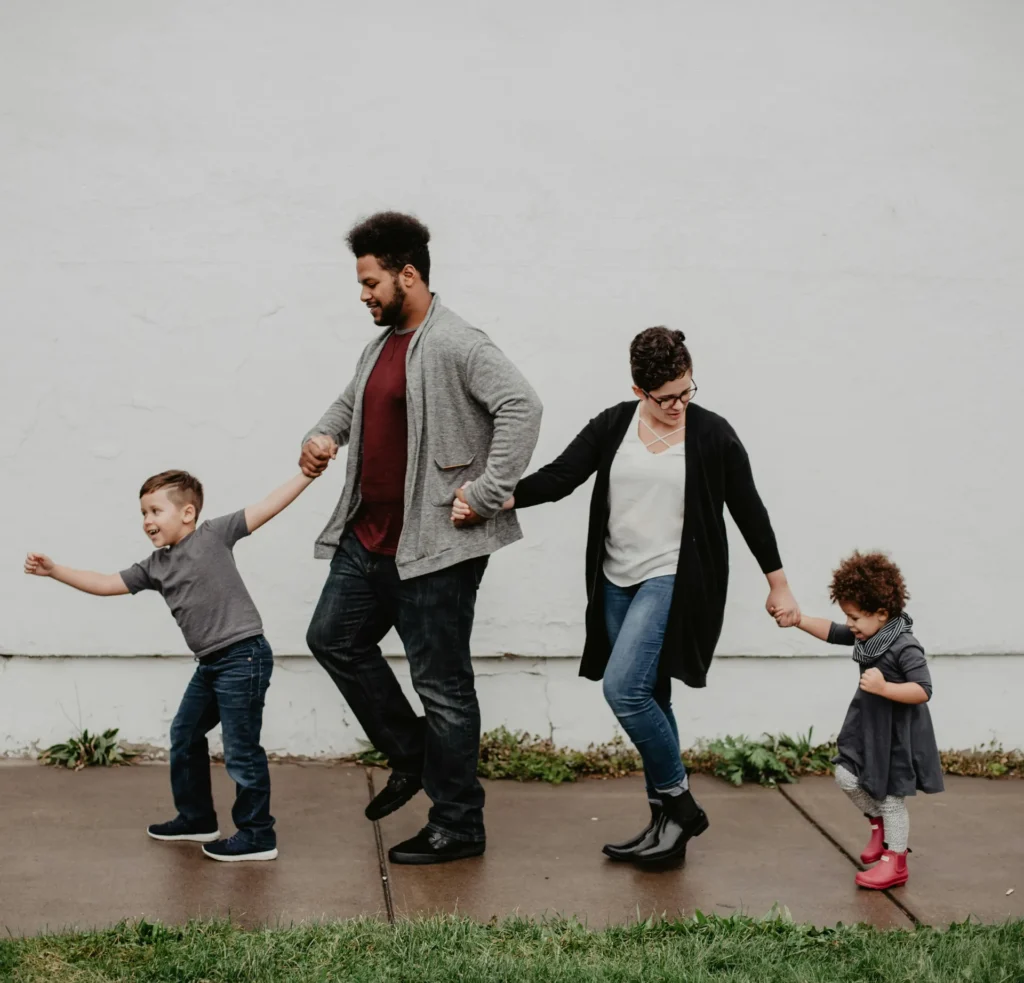
Building a stronger family foundation with therapy is about leveraging professional assistance to foster trust, solve problems, and develop better communication within families. Families join trained therapists to identify what is broken, express their opinions in a protected environment, and form practices that make each person feel listened to and appreciated. Therapy can support you through everyday stress, major life transitions, or ongoing struggles that resurface again and again. For lots of families, bringing in a therapist can help set ground rules, heal old wounds, and ensure everyone’s voice is heard. To observe how therapy aligns with genuine family needs, the upcoming section will illustrate actions, alternatives, and considerations for families of varying forms and dimensions.
Key Takeaways
- Identifying early indicators of communication breakdown, unresolved conflict, emotional detachment, or behavioral shifts within the family dynamic is key to intervening in a timely and constructive manner.
- Therapy offers a guided space for families to work through underlying tensions, enhance communication, and cultivate conflict resolution skills that foster healthier interactions.
- When you build trust and safety in therapy, family members can be vulnerable, which develops empathy and understanding, both essential for emotional restoration and connection.
- As we explore the depths of our personal and intergenerational pains and cultural nuances through therapeutic means, our families become fortified with newfound strength to overcome adversity, build resilience, and embrace diversity.
- Together, we have families adopt new rituals, enduring habits, and concrete goals outside of therapy to solidify progress, stay connected to ongoing communication, and celebrate growth as a family.
- With the right family therapist and a dedication to regular therapy, families can weather the storm and come out stronger on the other side. This builds a stronger family foundation that lasts.
Recognizing the Cracks
Robust family foundations sometimes begin to reveal stress fractures before a broader stress manifests. Identifying these early helps families pursue assistance before they become entrenched. Common indicators include:
- Frequent misunderstandings during conversations, even over simple matters
- Regular arguments that seem to repeat without resolution
- Family members becoming distant or withdrawn emotionally
- Noticeable changes in behavior, mood, or daily habits
- Shunning things that used to give pleasure
- Increased secrecy or reluctance to share feelings
- Ongoing tension without clear reasons
Communication Breakdowns
Patterns of talking at each other, disregarding positions or bad faith sarcasm can all too easily destroy trust. Here’s what happens when family members don’t feel heard: the misunderstandings begin to pile up. Open dialogue involves creating room for every individual to have a voice without judgment. As a way to make sure everyone feels heard, practice active listening, like repeating what someone said or asking clarifying questions. Scheduling regular meetings, even if just once a month, where everyone has the opportunity to report problems or share good news builds connections over time.
Persistent Conflict
Repeated arguments are a sign that there is something deeper going on, such as unfulfilled needs or unresolved pain. These fights may appear to be about chores or schedules but are frequently based in feeling unappreciated or unheard. Teaching conflict resolution skills such as remaining calm, using ‘I’ statements, and concentrating on the issue, not the person, can transform fights into collaborative problem solving. It assists in tracking when and why fights begin, which can expose patterns or triggers that would otherwise be missed. A cooperative mentality asks everyone to collaborate, not compete.
Emotional Distance
Even small things, like skipped family meals or an avoidance of eye contact, can indicate widening emotional cracks. When members don’t feel safe to surface concerns, distance increases. Safe space is about clarifying that emotions are real and can be communicated without trepidation. Coupling your togetherness with activities like cooking together or group hobbies can help rebuild bonds. Therapy provides a safe space to address old wounds or current pain that the language around your house can’t touch.
Behavioral Changes
Look for changes, such as abrupt mood swings, pulling back from activities, or changes in sleep patterns. These can be indications of stress, anxiety, or trauma. Taking a soft interest in these transitions demonstrates that you care. Help can arrive in the smallest of forms, such as a check-in, a little extra time, or a listening ear. If the changes bother you, professional help is crucial in identifying causes and healthy paths forward.
How Therapy Rebuilds Your Family
Therapy provides families a safe container in which to communicate, hear each other, and repair together. Many families come to therapy to improve communication, resolve conflict, and support one another through change. These sessions are led by a family therapist who helps members view the cycle their behavior creates within the family. Therapy’s benefits include:
- More transparent communication allows families to speak candidly with tools such as “I” statements and active listening.
- Deeper empathy is cultivated through storytelling and perspective exercises in sessions.
- More resilient boundaries—members receive assistance in establishing limits that safeguard their health.
- More healthy conflict resolution. Therapists will teach you ways to resolve conflicts that work for everybody.
- Lasting connection—therapy rebuilds trust and brings families closer.
Creating Safety
Family therapy begins with a sanctuary. The therapist establishes ground rules regarding respect and privacy for all involved. This allows everyone to talk without being afraid of blame or shame. When people feel safe, they are more likely to open up about experiences, even the tough ones. Vulnerability is welcomed, and opening up is a path to healing the entire family. Safety protocols, such as confidentiality and session boundaries, keep it supportive. In time, this trust becomes the foundation for candid dialogue.
Improving Communication
Communication is typically the source of conflict. Therapists instruct on skills such as utilizing “I” statements, aiding individuals in expressing their emotions without placing blame. They coach families in active listening, giving your full attention to what’s being said and mirroring it back. For instance, role-playing occurs when members rehearse difficult discussions in a safe environment. Families cultivate room for each other’s voice, resulting in deeper conversations and less confusion. With better communication, problems are easier to fix before they escalate.
Resolving Conflict
Therapists use tried and true methods to help families work through conflicts. Members learn to share their needs and hear others. Conflict resolution typically means breaking down the issue and collectively brainstorming solutions. Occasionally, therapists will employ genograms or communication exercises to highlight tension-causing patterns. Therapy helps to make compromise and understanding tools, not impediments, to working things out. Over time, families become more adept at resolving disagreements without firing off hurtful words or withdrawing into silence.
Fostering Empathy
Empathy is teachable. Therapy sessions might open up with exchanging histories or reminiscing about childhood influences. Activities such as perspective-taking encourage members to view issues from the other’s perspective. Empathy destroys walls and compassion becomes the default, not the anomaly. The therapist might engage in role-play or storytelling to facilitate insight. The more that empathy develops, the more patience and support you have in your family.
Setting Boundaries
Boundaries are where you stop and I start. In therapy, families discuss what is hard or easy. The therapist assists everyone in identifying their needs and boundaries. There may be sessions for practicing saying “no” or asking for space. They learn how to respect one another’s boundaries, creating a safer, more respectful family home. Establishing boundaries respects everyone’s well-being and can avoid issues down the line.

Therapy for Life’s Storms
Families have hard times that really test their mettle and trust. Life delivers all sorts of storms, including loss, career transitions, sickness, or even world-wide situations. These can last for months or years and can really rock the family foundation. Yet families can become stronger by learning to communicate, share, and collaborate. Therapy provides families a supported environment to discuss difficult matters, define clear objectives, and develop enhanced coping abilities.
Checklist: reasons families should seek therapy during difficult times
- Family members are not talking or avoid each other
- Frequent fights or tension that never gets solved
- Loss, trauma, or big life changes
- Struggles with trust, safety, or feeling close
- Stress affecting work, school, or health
- Trouble coping with change or loss
- Feeling stuck or hopeless as a group
Therapy allows families to view issues from a different perspective. A talented therapist will coach each one to talk, listen and figure things out. Following a loss, family therapy could assist each member in commemorating the loved one they lost and discussing mourning in their own manner. This open conversation can bring healing. Even such small steps as maintaining family dinners or birthday celebrations provide normalcy and comfort.
Therapy isn’t only for crises. Think of it as therapy for life’s storms. It teaches families how to discuss difficult matters without blame. It educates us on how to keep a cool head, how to listen more, and how to hold others up. These are essential skills for managing pressure from academics, work, or external events. In therapy, families discover how to modify routines, prepare for transitions, and maintain meaningful rituals, even when life is brutal.
Resilience flourishes when family members support one another and remain adaptable. Those families who communicate with one another, listen, and support one another through storms emerge stronger and more appreciative. Storms aren’t only things to endure; they are things that make us grow, forge powerful bonds, and rediscover a new kind of priority.
The Unseen Family Member
Every family carries silent currents beneath its surface. Private battles, ancestral tendencies, and collective beliefs exist within. Therapy uncovers these hidden family members, clearing the air for expansion, faith, and a more vibrant household.
Individual Struggles
They can creep into your life and tint your relationships with one another. If one family member is drowning, everyone else gets splattered with blood, even if they don’t mention it. These unseen battles can easily result in miscommunication or tension, which may upset the entire dynamic.
Supporting everyone to give an introspective gaze and discuss honestly what they confront can be an initial action. Family therapy is a room full of people who get to express what burdens them, and the others can listen without criticism. Going to counseling yourself for something like depression or childhood trauma is not merely an individual move; it supports the entire family functioning better. Emotional well-being is not an isolated activity. When one heals, all heal. By supporting one another through these struggles, we forge a path to recovery and growth as a community.
Generational Patterns
Pattern | Impact on Family Dynamics | Example |
Authoritarian Parenting | Limits open communication | Children may hide mistakes, build fear of failure |
Emotional Withdrawal | Reduces emotional connection | Family avoids sharing feelings, causing distance |
Intergenerational Trauma | Heightens stress, mistrust | Trauma from war or loss shapes how families cope |
A lot of families perpetuate these behaviors or beliefs unknowingly. A hard driving work ethic or emotional reticence can reach back a long way. Intergenerational trauma, like war, migration, or loss, may subtly influence the way families manage stress or disagreement in the present. Recognizing these passed down habits helps to disrupt damaging patterns. Therapy gives you concrete tools to challenge those old scripts and establish new, healthier modes of connection. It’s a process where you learn to recognize these cycles and take action against them, but it breeds resilience and family connection.
Cultural Dynamics
Cultural families define how we behave, communicate and express affection. These differences can sometimes cause confusion or tension, particularly in multicultural families. Talking about each other’s values and traditions can go a long way towards shedding light on where habits arise, such as how to demonstrate respect or which family roles hold the most importance.
When families discuss their diversity, it establishes confidence. Therapy can help these talks, making sure all voices are heard. Cultural sensitivity is about a willingness to learn from each other, not only tolerate. Tackling culture-based conflicts and discovering common ground can unite families.
Beyond the Therapy Room
The gift of family therapy extends well beyond the treatment hour. The concrete tools learned, such as open communication, healthy conflict resolution, and emotional support, can transform day-to-day life for the better. For many families, these changes assist them in managing the challenges and maintaining their connections, even in a hectic, confusing world. Designating device-free times and carving out purposeful moments for in-person discussions are surprisingly easy but immensely effective means of taking the healing energy of therapy out into the world with you. Here are activities to build stronger family bonds outside the therapy room:
- Plan device-free dinners for deeper connection.
- Schedule weekly family games or outings.
- Create a family gratitude journal.
- Celebrate both small and big milestones together.
- Schedule some time for communal troubleshooting or goal setting.
- Rotate responsibility for leading family activities.
New Rituals
Establishing new family rituals makes everyone feel connected and visible. Family meals provide an opportunity for clean talk and to confess your day’s experience, fostering greater communication and deeper connections. Once a week activities, whether it’s playing board games, cooking together, or taking a walk, can enhance the team spirit and sense of inclusion. When families celebrate milestones, even small ones like completing a large assignment or surviving a difficult week, it all contributes to a collective pride and togetherness.
Traditions don’t have to be complicated. Even little things like establishing a monthly family night or celebrating birthdays with a special meal can turn into traditions. Each family can discover what works for them in a way that fits their values and time schedules. These new rhythms become easier to maintain and more rewarding.
Lasting Habits
Rituals of open dialog color the household. Quick daily check-ins give everyone a moment to share feelings or concerns. Thinking of something to be grateful for each day can lift spirits and remind everyone of their resilience.
It’s crucial to maintain these habits. Good communication is hard work, particularly as stress increases. By encouraging patience, pausing before reacting, and listening without judgment, you can bolster the progress made in therapy and turn it into patterns that stick.
Measuring Growth
It’s important for families to view their progress, too, by having clear, shared goals. These goals could be to argue less, spend more device-free moments together, or enhance how everyone supports each other. Checking in on these goals as a family, maybe every couple of weeks, keeps everyone in the loop and encourages celebration of growth.
Feedback from the therapy sessions can help to direct these home-based modifications. Families can take these insights beyond the therapy room, making micro-changes and observing the effect over time. Celebrating success—regardless of scale—sustains momentum and demonstrates that transformation is viable and tangible.
Finding Your Family’s Guide
A guide to a healthy family provides concrete actions to assist families in discovering how to be better together. Selecting the appropriate family therapist is essential. It is best to find someone whose background, expertise, and approach align with your family. This could involve seeking out a culture-specific therapist, one that is near your residence, or has experience with families similar to yours. Most families read reviews or consult with friends or therapists before they select one. Trust and comfort with your therapist count. It is not about savvy, it is about discovering someone who hears and understands what your tribe feels.
Discussing your therapy desires assists all. Each family member may wish for something different. Some desire to mend feuds, some want more trust or improved communication. Good therapists find time for these conversations. It is easier to do when you set goals together and everyone is on the same page. Authentic conversations about aspirations, concerns, and even therapeutic skepticism give the journey deeper significance. Families can utilize tools such as the CASTLE Method (Compassion, Acceptance, Security, Trust, Love, and Education). This is the foundation for a hard home. They help demonstrate what a safe and loving environment looks like.
There are a lot of ways to do therapy. Some families enjoy chatting with everyone in one room, others break off into small groups or explore new formats like art or play. Some families employ device-free times to foster eye contact and genuine conversations. This is great for kids who want to feel closer to their families. It’s good to test drive a few options before selecting what works best. Find your family’s guide. As parents, we can assist by modeling the behaviors we want our children to pick up, such as kindness and discussing one’s emotions. This teaches kids emotional smarts and unites the family.
Crafting a close-knit family is not an act of nature. Each step from selecting a therapist to experimenting with new tools belongs to a lengthy journey. It’s about discovering, coming into our own, and making the family home.
Conclusion
Strong families aren’t an accident. Family therapy helps you identify stress, communicate, and recover. Sessions provide your family a safe environment to be heard and to listen. Little steps in therapy lead to huge shifts at home for building a stronger family foundation together. Children frequently find security. Parents discover new ways to communicate and lay down clear boundaries. Therapy can demonstrate to each individual that they count and to the group that they function as a team. Growth doesn’t end when the sessions are over. Experiment with them at home, check in with one another, and reach out for support if those old patterns pop up. To begin a new way, contact a therapist who suits your family. Deep roots thrive on nurture and patience.
Frequently Asked Questions
How can therapy help strengthen family bonds?
Therapy provides a secure environment for transparent dialogue. It helps families understand one another, resolve conflicts, and build trust. This results in more robust, healthy relationships.
When should a family consider therapy?
When communication falls apart, when conflict patterns repeat, when walls go up, and when distance increases, families should seek therapy. The sooner, the better.
What issues can family therapy address?
Family therapy can tackle communication issues, parenting difficulties, loss, transitions, and conflicts. It aids families in navigating a multitude of challenges together.
Is family therapy effective for all ages?
Yes, family therapy can help all ages. Therapists personalize approaches for kids, teens, and adults, so it is inclusive and impactful.
How long does family therapy usually take?
The time span is different. For some families, a few sessions help. Others might require a few months. The therapist will help you navigate the process depending on your needs and goals.
Can therapy help even if only some family members attend?
Yes, therapy can still assist if not everyone jumps on board. Even if only one parent or sibling decides to make a change, that can send ripple effects throughout the entire family.
What should families look for in a therapist?
Families ought to seek out a licensed therapist with experience in family therapy. Pick someone culturally sensitive who puts everyone at ease and makes them feel heard.
Start Feeling Supported with Group Therapy in Los Angeles
At Blue Sky Psychiatry, we know that healing often happens faster when you’re not doing it alone. Group therapy gives people a place to share experiences, practice new skills, and gain support from others who understand what they’re going through. Led by Dr. Mindy Werner-Crohn and Shira Crohn, PA-C, our groups bring together evidence-based guidance with a warm, collaborative atmosphere that helps you feel safe, seen, and understood.
Group therapy can be especially helpful if you’re working through anxiety, depression, relationship stress, life transitions, or patterns that feel hard to change on your own. Each group is structured with clear goals and guided conversation, so you walk away with practical tools and steady encouragement. You get the benefit of professional insight along with the connection and perspective that only a group can provide.
If you’re curious about how group therapy might fit into your journey, we’re here to help you explore the best option for your needs. Our Los Angeles office offers both in-person and secure online group sessions so you can join in whatever way feels most comfortable. Reach out to Blue Sky Psychiatry to schedule a consultation and learn how group therapy can strengthen your resilience and support your growth.


