
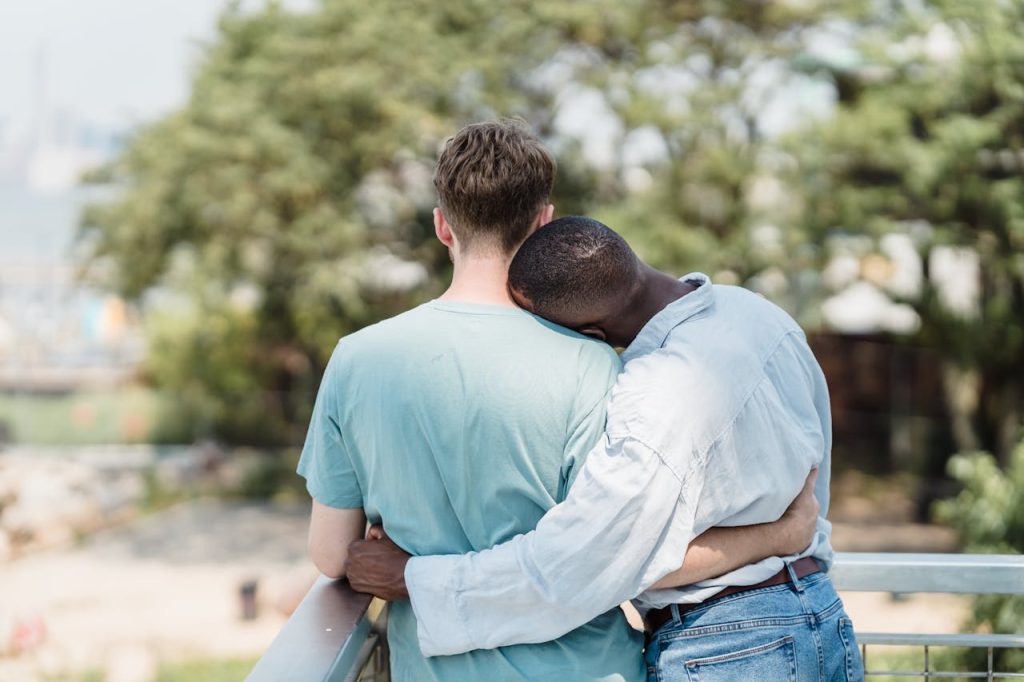
Building community resilience for LGBTQ+ Californians involves fostering environments where individuals experience security, assistance, and the capability to confront obstacles collectively. Neighborhood organizations, open dialogues, and communal support foster trust and provide practical assistance in times of need. Health care, mental health support, and legal aid provide people with the resources to deal with stress and discrimination. LGBTQ+ life-affirming events unite us and cultivate connectivity. Clear rules against hate and fair treatment in work and housing count too. Partnering with schools, clinics, and city leaders makes those changes stick. The next sections demonstrate how these steps operate in practice, providing examples and advice for both groups and allies.
Key Takeaways
- How to build community resilience for LGBTQ+ Californians
- Access to mental health support, safe spaces, and basic resources directly fortifies individual and communal well-being within LGBTQ+ communities.
- Inclusive policies and advocacy efforts are essential to tackling systemic barriers and safeguarding LGBTQ+ rights.
- Acknowledging and addressing the specific needs of diverse and intersecting identities creates authentic inclusion and belonging.
- Intergenerational mentorship and dialogue bridge gaps and build solidarity among all age groups in the LGBTQ+ community.
- Growing digital platforms and virtual support networks increase access to resources, support, and advocacy for LGBTQ+ individuals regardless of location.
Why Resilience Matters Now
Resilience means being able to deal with stress, transition, and adversity. For LGBTQ+ Californians, this ability is more imperative than ever, especially when considering the unique challenges faced by LGBTQ youth. Suicide attempts are far more common among marginalized groups, with studies indicating approximately 40% of trans and nonbinary folks have attempted at least once. This illustrates the actual price when encouragement and validation are absent. Many LGBTQ+ individuals experience day-to-day discrimination or stigma, both online and in-person. These experiences, combined with chronic stress, make it harder to bounce back from bad times or maintain a sense of well-being.
Community support plays a vital role in helping people foster resilience within the LGBTQ community. When someone knows they have a circle of friends, family, or others who care, it can significantly help them deal with issues and bounce back quicker. This support might come from peer groups, local LGBTQ community centers, or even online spaces that are safe and welcoming. A support system is not a luxury; it’s a fundamental human necessity. For instance, consistent meet-ups, group chats, or communal activities in green spaces provide folks a respite from strain and a means to feel less isolated. Something basic, like scheduling an outing, signing up for a club, or just walking with friends, can bring sunshine and prevent a takeover of doom thoughts.
Building resilience isn’t about being tough-minded all the time; it’s a practice. Looking forward to something—a community event, a creative project, or even a mini-vacation—can provide hope and direction. This allows individuals to adjust and remain steadfast during unpredictable periods. Making time for things that are fun, making connections, and supporting mental health are all low-level entry points that anybody can do to increase resilience. Collective action is important as well. When LGBTQ communities resist oppressive policies or assert their dignity, it empowers us all and fosters optimism.
How To Build Community Resilience
Building community resilience for LGBTQ+ Californians involves addressing urgent needs while focusing on mental health and supportive resources. This sustained effort fosters inclusivity and strength, essential for LGBTQ youth facing unique challenges, influenced by supportive networks and available care.
1. Fortify Mental Health
Having access to LGBTQ+ affirming therapy can be a clear differentiator. Due to minority stress, a lot of LGBTQ+ folks experience elevated levels of anxiety and depression. Group therapy fosters connection as members listen to others and realize they aren’t alone. Psychoeducation provides techniques for handling stress and trauma and instructs effective coping methods.
Robust mental health assistance arises from collaboration among community centers and specialists. By pooling their efforts, they extend their reach and create initiatives that assist the greatest number.
2. Secure Basic Needs
Permanent housing equals security and self-respect, particularly for at-risk LGBTQ+ youth who face unique challenges such as homelessness. Targeted housing programs play a crucial role in preventing these issues, as basic needs like food, health care, and shelter are foundational for LGBTQ health and resilience. When these needs are unmet, stress escalates, leading to a deterioration in mental health.
Local organizations can collaborate to create resource guides that indicate the locations of food banks, medical facilities, and shelters. Even small assistance, such as help with paperwork or transportation, counts significantly. A solid night of rest, nourishing food, and consistent movement support the body and mind.
3. Champion Inclusive Policy
Advocacy molds long-term change. Inclusive laws go a long way to combating barriers to care and safety. Attending meetings with legislators, spreading the word, and backing campaigns drive the cause.
By collaborating with advocacy groups, communities can raise awareness about legal rights and protections. It empowers others to fight for themselves and each other.
4. Cultivate Safe Spaces
Safe spaces allow LGBTQ+ individuals to be themselves without hesitation. Community centers can hold events that embrace diversity, from art exhibitions to open mics. Staff and volunteers require training to become more LGBTQ+ affirming.
Open conversations around acceptance and safety, be it in schools, workplaces, or parks, tone community-wide support. Green spaces and nature time reduce negative feelings and support resilience.
5. Amplify Joy
Joy is essential to resilience. Pride events, art, and storytelling remind people of their own strengths. Sharing wins, whether small or large, instills hope.
Mindfulness, self-care, and wellness activities such as dance, art, or outdoor time cultivate belonging. Anticipating enjoyable experiences provides individuals with something to cling to during hardship.
Acknowledge Intersecting Identities
LGBTQ+ individuals do not consist of a monolithic group; instead, they embody a diverse range of identities that significantly influence their lives and needs. For instance, a Black gay man, a trans Latina, or an LGBTQ+ student who is a foster youth or undocumented each face unique challenges. These layers of identity imply that constructing resilience within the LGBTQ community is not universal. Many individuals must grapple with racism, poverty, or legal obstacles in addition to the prejudice they face for being lesbian, gay, or trans, highlighting the importance of tailored LGBTQ health support systems.
Support systems are crucial for people with intersecting identities, especially within the LGBTQ community. It can feel isolating when one belongs to multiple marginalized groups, and social connections—whether they are friends, mentors, or local LGBTQ community centers—play a vital role in fostering resilience. For students, this need is even more pronounced; a campus group for foster youth may not address LGBTQ issues, while programs for undocumented students might overlook challenges such as coming out or being misgendered. Without acknowledging all facets of a candidate’s identity, programs fall short in providing adequate support.
Resilience isn’t a static skill; it evolves as individuals encounter new experiences or transition through different stages of life. For example, how an individual feels about their identities as LGBTQ+ and a minority can significantly influence their overall resilience and mental health. Those who balance multiple identities often exhibit profound strength, yet the strain of navigating social stigma can harm their well-being. Understanding these intersecting identities is crucial to viewing the whole person, rather than focusing on just one aspect of their identity.
- Create initiatives for students with overlapping identities, like combined support for LGBTQ+ foster youth and undocumented students.
- Educate employees and executives to recognize and assist with the specific challenges of having multiple identities.
- Sponsor events that focus on lived narratives from individuals with intersecting identities to foster understanding and confidence.
- Build bridges across backgrounds, so no one is isolated.
- Collect feedback from intersecting identities to inform improved support and services.
Bridge Generational Divides
To build resilience in LGBTQ health communities is to bridge generational divides so that thoughts and aid circulate fluidly. Intergenerational dialogue provides room for older and younger LGBTQ+ members to exchange their wisdom. When they discuss what life was like, it informs us all about how much things have changed for good or bad. These conversations can take place in virtual spaces, local gatherings, or at community events, so all can participate regardless of location or accessibility. For instance, a local LGBTQ community center might organize a monthly story night or online roundtable where older folks speak about their coming-out experiences while youth discuss contemporary hurdles.
Mentorship programs do well to bridge the generational divides and connect LGBTQ youth with older role models who have seen the highs and lows of life as LGBTQ+. These mentors can offer guidance on managing school, work, or family life. They can assist with pragmatic matters such as seeking employment or securing housing. Others pair mentors and mentees according to interests or demographics. This facilitates pair relatability. For example, a retired educator could mentor a student on college options, and a community organizer could assist a young activist in organizing their inaugural event.
Various generations of the LGBTQ+ community face unique challenges and have their individual needs and perspectives. Seniors get nervous about health care or retirement, whereas juniors seek validation at school or on the web. Others came of age when being LGBTQ+ was more closeted, so they might be cautious about disclosing. To bridge these gaps, spaces need to honor all voices. They need to provide both intimate, confidential assistance and public, group discussions so everyone feels secure.
- Organize periodic, formal gatherings, virtual or physical, to exchange experiences and guidance.
- Bridge generational divides by pairing mentors and mentees by interest, not just age, to forge stronger bonds.
- Provide workshops that instruct in history and contemporary concerns for all ages.
- Be sure events are accessible for people with mobility, vision, or hearing needs.
- Bridge generational divides with surveys and find out what matters to each age group.
- Give all ages a voice in planning so programs meet actual needs.
Leverage Digital Sanctuaries
Digital sanctuaries are online places that allow LGBTQ+ individuals to sense that they are safe, visible, and listened to. These communities provide a means to connect with others who understand their struggles, find support, and pick up fresh coping mechanisms. They’re vital for those who don’t feel safe or fully accepted where they reside, and they’re even more important in periods when in-person connection is difficult or unavailable. Digital sanctuaries strengthen connections, provide an outlet for self-care, and create a community that could truly impact individuals who are isolated or vulnerable.
Digital sanctuaries such as online support groups and forums have a major impact on mental health, especially for LGBTQ youth. Platforms such as The Trevor Project, 7 Cups, and Q Chat Space provide spaces to communicate openly, seek advice, and receive immediate assistance from trained peers or volunteers. These sanctuaries are always open, so anyone can connect when they must, regardless of location. For many, it’s simpler to share their battles online than in person, which can enable them to break through barriers and receive assistance earlier.
Platform | Type of Safe Space Provided |
Discord | Private servers for peer chat, support, and events |
Forums for anonymous sharing and advice | |
Facebook Groups | Closed groups for local or global LGBTQ+ communities |
Advocacy, news sharing, and public discussion | |
Storytelling, activism, and identity expression | |
TikTok | Short-form video support, trends, and peer encouragement |
Specialized Apps | Tailored help, crisis lines, and resource directories |
Your Role In Change
Community empowerment for LGBTQ+ Californians begins with tiny actions that accumulate into legitimate transformation. Volunteering or giving to local LGBTQ+ groups fills in those gaps. Immediate and tangible impact. Your part in the change. Simple acts, like volunteering at a youth drop-in center, manning a support hotline, and fundraising, equip these organizations to impact more lives. Others, like The Trevor Project or local Pride centers, rely on consistent assistance to sustain safe spaces and initiatives. Even a couple of hours a month can go a long way when enough people contribute.
Fighting for LGBTQ+-affirming mental health care is crucial for LGBTQ youth and adults alike. Specifically, LGBTQ+ individuals are likely to encounter distinct stressors stemming from stigma or insufficient family support. Advocating for more counselors who understand these issues or for clinics to provide LGBTQ+-affirming care can transform the care experience. In an office or classroom, advocating for mental health training or peer support circles brings care within closer reach. When individuals request these adjustments, leadership is more inclined to pay attention and respond.
Conclusion
Deep roots assist LGBTQ+ Californians in withstanding adversity and recovering collectively. Local connections, communal spaces, and secure online places allow community members to connect and help one another. Open talks and real action close age and background gaps. Allies can listen, create space, and advocate for justice. Every stride, little or large, creates an actual difference in existence. To find out more or to get involved, check out groups near you or online. Everyone counts in this work. Stay tuned for new ideas and get in touch if you have a story or skill to contribute. Your activity contributes pace to the crowd, and each note composes the horizon.
Frequently Asked Questions
1. What Is Community Resilience For LGBTQ+ Californians?
Community resilience is the capacity to rebound. For LGBTQ+ Californians, it means robust community networks and access to trauma-informed care to address discrimination or emergencies.
2. Why Is Building Resilience Important For LGBTQ+ Communities?
Building resilience safeguards mental health, fortifies social connections, and enables LGBTQ+ individuals to flourish in the face of adversity.
3. How Can Digital Spaces Help LGBTQ+ Communities?
Digital spaces provide refuge for connection and support within the lgbtq community, especially during times of difficulty.
4. What Role Do Allies Play In Community Resilience?
With allies standing alongside us, offering support and amplifying our voices, local LGBTQ community centers help build inclusive spaces, making our LGBTQ community stronger and more united.
5. How Can We Address The Needs Of LGBTQ+ People With Intersecting Identities?
By acknowledging intersecting identities, such as race or ability, and providing customized assistance, local LGBTQ community centers can create more welcoming and impactful initiatives.
6. Why Is It Important To Bridge Generational Divides In LGBTQ+ Communities?
We can bridge generational divides to learn, mentor, and support one another and carry history forward while empowering everyone.
7. What Actions Can Individuals Take To Support LGBTQ+ Resilience?
You can listen, you can speak up against discrimination, you can share resources, and you can cultivate inclusive environments, both in person and digitally.
Feel Seen, Supported, and Fully Yourself With LGBTQ+ Affirming Therapy
Blue Sky Psychiatry supports LGBTQ+ individuals who are carrying more than they show. Maybe you’ve been navigating identity questions, relationship challenges, family dynamics, or the quiet weight of feeling misunderstood. Over time, that pressure can turn into anxiety, depression, irritability, or emotional exhaustion. You might look like you’re holding everything together while feeling disconnected or overwhelmed inside. LGBTQ+ affirming therapy gives you a space where you don’t have to explain or defend who you are; you can finally be understood and supported as your full self.
Dr. Mindy Werner-Crohn and Shira Crohn, PA-C, provide care that centers on your identity, your experiences, and your goals. Your treatment plan is built around how stress shows up in your life, your mood, your relationships, your confidence, and your sense of belonging. Sessions are structured but human, helping you process what you’ve been carrying, build resilience, strengthen self-acceptance, and move forward with clarity and confidence.
You don’t have to keep pushing through or pretending it’s fine. If you’re feeling stuck, overwhelmed, or disconnected from who you are, Blue Sky Psychiatry is here to help you find your way back to yourself. Reach out today to learn more about LGBTQ+ affirming therapy and take that first step toward feeling grounded, confident, and fully you again.


