
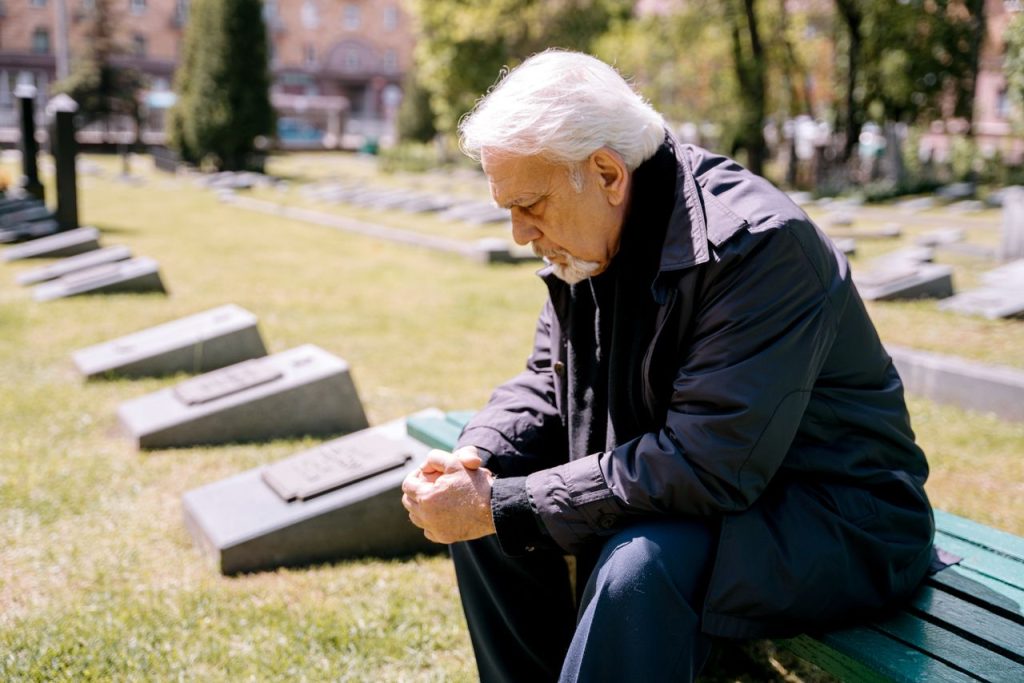
Grief is one of the most personal and complex emotional experiences a person can face. Whether it follows the death of a loved one, the end of a meaningful relationship, the loss of a job, a major life transition, or even a change in health, grief can deeply affect every area of life. In a large and fast-moving city like Los Angeles, many individuals silently carry emotional pain while trying to keep up with daily responsibilities, careers, family obligations, and social expectations.
Loss often changes how people see themselves and the world around them. Some individuals experience overwhelming sadness, while others feel anger, guilt, confusion, numbness, or emotional exhaustion. Grief does not follow a predictable timeline, and no two people process loss in the same way. For some, emotions come in waves. For others, grief may remain hidden beneath stress, anxiety, sleep problems, or difficulty concentrating.
Therapy offers a supportive environment where individuals can process these emotions safely and without judgment. Professional counseling helps people understand their grief, cope with emotional pain, and gradually rebuild stability after loss. In diverse communities throughout Los Angeles, therapy also provides culturally responsive support that respects different traditions, beliefs, family structures, and healing practices.
Mental health professionals help clients move through grief at their own pace rather than forcing them to “move on” quickly. Through compassionate guidance, individuals can begin to process painful memories, adjust to life changes, and rediscover meaning after difficult experiences. Therapy also helps people develop healthy coping strategies instead of turning to isolation, avoidance, substance use, or emotional suppression.
In a city where many people juggle demanding lifestyles and emotional stress, access to grief counseling can make a meaningful difference. Whether someone is dealing with recent loss or unresolved grief from years earlier, therapy provides tools for healing, emotional resilience, and long-term well-being. Understanding how therapy supports the grieving process can encourage individuals and families to seek help during some of life’s most difficult moments.
Key Takeaways
- Grief affects emotional, physical, mental, and social well-being in different ways.
- Therapy provides a safe space to process emotions related to grief and loss.
- There is no “correct” timeline for healing from loss.
- Professional counseling helps individuals develop healthy coping mechanisms.
- Therapy can reduce isolation and emotional overwhelm after major life changes.
- Grief counseling supports people experiencing anxiety, depression, guilt, or trauma connected to loss.
- Culturally responsive therapy is important in diverse communities like Los Angeles.
- Family and group therapy can help strengthen communication and mutual support.
- Children, teens, and adults all experience grief differently and may benefit from specialized care.
- Healing does not mean forgetting a loved one; it means learning how to move forward while honoring the loss.
Understanding Grief And Loss
The Emotional Impact Of Grief
Grief is a natural emotional response to loss, but its effects can feel overwhelming and unpredictable. Many people associate grief only with death, yet individuals may also grieve after divorce, relocation, infertility, illness, financial hardship, or the loss of important relationships. In Los Angeles, where lifestyles can be fast-paced and highly demanding, people often struggle to find time and emotional space to process these experiences properly.
The emotional effects of grief can vary greatly from person to person. Some individuals feel deep sadness and loneliness, while others experience anger, regret, fear, or emotional numbness. Feelings may shift rapidly from one moment to another. A person may appear calm one day and emotionally overwhelmed the next. These emotional fluctuations are common during the grieving process.
Many grieving individuals also experience guilt. They may replay conversations, question past decisions, or feel responsible for things beyond their control. Therapy helps individuals explore these feelings in a healthy way rather than allowing self-blame to intensify emotional suffering.
Grief can also affect physical health. Sleep disturbances, headaches, fatigue, appetite changes, muscle tension, and difficulty concentrating are common symptoms. Emotional stress may impact work performance, social relationships, and daily routines. Without support, unresolved grief can contribute to anxiety, depression, or prolonged emotional distress.
Therapists help individuals understand that grief is not a sign of weakness. Emotional pain after loss reflects the depth of human connection and attachment. Counseling creates a supportive environment where people can express difficult emotions honestly without fear of judgment.
In therapy, individuals learn that healing is not about “getting over” a loss quickly. Instead, healing involves learning how to carry grief in a healthier and more manageable way. Over time, therapy can help people rebuild emotional stability while still honoring the significance of the person or experience they lost.
Why Grief Looks Different For Everyone
One of the most important aspects of grief counseling is recognizing that every person experiences loss differently. There is no universal formula for mourning, and emotional reactions are shaped by personality, culture, family dynamics, spiritual beliefs, past experiences, and the nature of the loss itself.
In a culturally diverse city like Los Angeles, grief practices and emotional expression can vary widely. Some families openly discuss emotions and encourage communal mourning, while others value privacy and emotional restraint. Therapy respects these differences and avoids imposing a one-size-fits-all approach to healing.
The relationship between the grieving individual and the person or experience lost also influences emotional reactions. The death of a parent may create different emotional challenges than the loss of a spouse, child, friendship, or career. Sudden losses often create shock and trauma, while anticipated losses may involve prolonged emotional stress before the event occurs.
Past experiences with grief can also shape current reactions. Someone who has experienced multiple losses may feel emotionally exhausted or fearful of future attachment. Others may struggle because unresolved grief from earlier experiences resurfaces after a new loss.
Age also affects how grief is expressed. Children may show grief through behavioral changes, confusion, or regression rather than verbal expression. Teenagers may withdraw socially or display irritability. Adults often face pressure to remain productive despite emotional pain, which can lead to suppressed grief.
Therapy helps normalize these varied responses while providing tools tailored to each individual’s situation. Rather than comparing one person’s grief to another’s, counselors focus on understanding the client’s unique emotional experience.
This personalized approach allows individuals to process emotions at their own pace. It also helps reduce shame or self-criticism that may arise when people feel they are not grieving “correctly.” By validating diverse emotional experiences, therapy encourages healthier and more compassionate healing.
How Therapy Supports The Healing Process
Creating A Safe Space For Emotional Expression
Many grieving individuals struggle to talk openly about their pain. Friends and family members may not know how to respond, and some people fear becoming a burden to others. In certain environments, emotional vulnerability may even feel discouraged. Therapy provides a confidential and supportive space where individuals can express difficult emotions freely.
A therapist’s role is not to rush healing or force positivity. Instead, counselors help clients explore grief honestly and safely. This supportive environment allows people to process sadness, anger, confusion, fear, and guilt without feeling judged or misunderstood.
For some individuals in Los Angeles, therapy may be the only place where they feel comfortable discussing their emotions openly. Professional counselors provide empathy, active listening, and emotional validation, which can reduce feelings of loneliness and isolation.
Therapy also helps people identify emotional patterns that may interfere with healing. Some individuals suppress emotions to avoid pain, while others become trapped in cycles of self-blame or hopelessness. Counseling helps clients recognize these patterns and gradually develop healthier coping mechanisms.
Discussing grief openly can also reduce emotional intensity over time. When painful emotions remain unspoken, they often grow heavier and more overwhelming. Expressing emotions in therapy can help individuals feel more grounded and emotionally supported.
In addition to emotional expression, therapists often teach practical coping skills such as mindfulness, stress management, relaxation techniques, journaling, and emotional regulation strategies. These tools can help clients manage grief-related anxiety and emotional overwhelm outside of therapy sessions.
By creating a compassionate and stable environment, therapy encourages individuals to process grief at a pace that feels manageable and emotionally safe.
Helping Individuals Adjust To Life After Loss
Loss often changes a person’s identity, routines, and future expectations. After the death of a spouse, parent, child, or close friend, individuals may struggle to imagine how life will continue. Therapy helps people gradually adapt to these changes while maintaining emotional connection and meaning.
One important goal of grief counseling is helping clients rebuild structure and stability after loss. Many grieving individuals experience difficulty maintaining daily routines, relationships, or responsibilities. Therapy supports people as they navigate these practical and emotional adjustments.
Counselors help clients process questions such as:
- Who am I after this loss?
- How do I move forward without this person or experience?
- How can I maintain healthy relationships while grieving?
- What does healing look like for me personally?
Therapy encourages individuals to find a balance between honoring their grief and re-engaging with life. This process does not mean forgetting a loved one or pretending the loss did not happen. Instead, it involves learning how to carry memories and emotions in ways that support long-term emotional health.
In Los Angeles, where many people face work pressures and busy lifestyles, grief can become emotionally buried beneath daily demands. Therapy provides intentional time to slow down, reflect, and reconnect with emotional needs.
Counselors may also help individuals rebuild social support systems after loss. Isolation is common during grief, especially when people feel misunderstood or emotionally disconnected from others. Therapy encourages healthy communication and reconnection with supportive relationships.
Over time, counseling can help individuals rediscover purpose, resilience, and emotional balance. While grief may never fully disappear, therapy helps people develop the strength and coping skills needed to move forward in meaningful ways.

Types Of Therapy For Grief And Loss
Individual Therapy For Personalized Support
Individual therapy offers one-on-one emotional support tailored to a person’s unique grief experience. This personalized setting allows individuals to explore painful emotions privately while receiving guidance from a trained mental health professional.
Different therapeutic approaches may be used depending on the client’s needs. Cognitive Behavioral Therapy (CBT) can help individuals identify negative thought patterns associated with guilt, hopelessness, or anxiety. Trauma-informed therapy may be beneficial for those experiencing sudden or traumatic loss. Mindfulness-based approaches help clients stay emotionally grounded during difficult moments.
Therapists also help clients recognize unhealthy coping mechanisms that may emerge during grief. Some individuals withdraw socially, avoid emotions, overwork themselves, or turn to substances to manage pain. Counseling encourages healthier emotional processing and self-care strategies.
Individual therapy is especially helpful for people who feel uncomfortable discussing grief in group settings. It provides focused attention and flexibility that can adapt to changing emotional needs over time.
In a large city like Los Angeles, where people often come from diverse backgrounds and experiences, individualized care allows therapists to provide culturally sensitive support that respects personal values and traditions.
Group Therapy And Community Support
Grief can feel incredibly isolating, especially when individuals believe others cannot understand their pain. Group therapy helps reduce this isolation by connecting people who share similar experiences of loss.
In grief support groups, participants can discuss emotions, challenges, memories, and coping strategies in a supportive environment. Hearing others share similar struggles often helps people feel less alone in their grief journey.
Group therapy also provides emotional validation. Many grieving individuals feel pressure to appear “strong” or emotionally composed in everyday life. Support groups create space for honest emotional expression without fear of judgment.
Therapists who facilitate grief groups help maintain healthy communication and emotional safety. They guide discussions while encouraging mutual support among participants.
For many individuals in Los Angeles, support groups also provide community connection in a city where people may otherwise feel socially disconnected despite living in a highly populated environment.
Some grief groups focus on specific experiences, such as:
- Loss of a spouse
- Loss of a child
- Grief after divorce
- Bereavement for young adults
- Trauma-related loss
- Support for caregivers
These specialized groups help participants connect with others who understand the unique emotional complexities of their experience.
Group therapy does not replace individual counseling for everyone, but it can serve as a valuable complement to personal therapy and emotional healing.
Therapy For Children And Families Experiencing Grief
Helping Children Understand Loss
Children experience grief differently from adults, and they may struggle to express emotions verbally. Some children become withdrawn, anxious, angry, or behaviorally reactive after a loss. Others may appear unaffected initially but experience emotional difficulties later.
Therapy helps children process grief in age-appropriate ways. Counselors often use play therapy, storytelling, art, and creative activities to help children communicate emotions they cannot fully describe with words.
Children may also struggle with confusion surrounding death and loss. Younger children might not fully understand permanence, while older children may develop fears related to safety or abandonment. Therapists help clarify these concepts gently and compassionately.
In Los Angeles, families facing demanding schedules and emotional stress may also struggle to know how to support grieving children. Family counseling helps caregivers understand children’s emotional needs while improving communication within the household.
Therapy teaches children that grief-related emotions are normal and manageable. This support can reduce anxiety, behavioral problems, and emotional isolation during difficult transitions.
Strengthening Family Communication During Grief
Grief affects entire families, not just individuals. After a major loss, family dynamics often shift significantly. Some members may become emotionally distant, while others seek constant reassurance and connection. Different grieving styles can create misunderstandings or conflict within the household.
Family therapy helps improve communication during these emotionally difficult periods. Counselors encourage family members to express emotions openly while learning to respect each person’s unique grieving process.
Therapy can also help families navigate practical challenges following loss, including parenting changes, financial stress, caregiving responsibilities, and role adjustments.
In multicultural communities throughout Los Angeles, therapists may also help families navigate cultural expectations surrounding grief, emotional expression, and mourning traditions.
Strengthening communication helps families support one another more effectively rather than becoming emotionally disconnected during times of loss.
Addressing Complicated Grief And Trauma
When Grief Becomes Overwhelming
While grief is a normal human experience, some individuals develop prolonged or complicated grief that significantly interferes with daily functioning. Symptoms may include persistent hopelessness, severe emotional numbness, inability to engage in life activities, or intense emotional pain lasting for extended periods.
Traumatic loss can increase the risk of complicated grief. Sudden accidents, violence, suicide, or unexpected deaths often create layers of trauma alongside mourning.
Therapy helps individuals process both grief and trauma safely. Mental health professionals use evidence-based approaches to address emotional distress while helping clients regain emotional stability.
Counselors also monitor for symptoms of depression, anxiety, post-traumatic stress, or substance misuse that may emerge after significant loss.
Seeking therapy for complicated grief is not a sign of failure. It reflects the importance of receiving appropriate emotional support during deeply painful experiences.
Rebuilding Emotional Resilience
One of the long-term goals of grief therapy is helping individuals rebuild emotional resilience. Resilience does not mean eliminating sadness or pretending loss never occurred. Instead, it involves developing the ability to cope with difficult emotions while continuing to engage meaningfully with life.
Therapy teaches practical resilience-building strategies such as:
- Emotional regulation
- Stress management
- Mindfulness techniques
- Healthy boundary setting
- Self-care routines
- Communication skills
- Cognitive reframing
These skills help individuals manage emotional challenges both during and after the grieving process.
In Los Angeles, where many individuals balance demanding careers, caregiving responsibilities, and social pressures, resilience-building support can be especially valuable for long-term mental wellness.
Over time, therapy can help people rediscover hope, connection, and purpose even after profound loss.
The Importance Of Seeking Support
Breaking The Stigma Around Grief Counseling
Many people hesitate to seek therapy because they believe grief should be handled privately or independently. Others fear being judged for needing emotional support. However, grief counseling is not about weakness—it is about receiving guidance during one of life’s most difficult emotional experiences.
In communities throughout Los Angeles, mental health awareness continues to grow, helping reduce stigma surrounding therapy. More individuals are recognizing that emotional support is an important part of overall well-being.
Therapy provides tools that many people are never taught elsewhere. Learning how to process emotions, manage stress, and communicate needs effectively can significantly improve emotional health during periods of grief.
Seeking help early may also reduce the risk of long-term emotional complications. Therapy offers proactive support rather than waiting until emotional distress becomes overwhelming.
Finding Hope After Loss
Healing after loss is rarely linear. Some days may feel manageable, while others bring unexpected waves of sadness or longing. Therapy helps individuals understand that these emotional fluctuations are normal and part of the healing process.
Over time, many grieving individuals begin to experience moments of peace, gratitude, connection, and renewed purpose alongside their grief. Therapy supports this gradual emotional transition without minimizing the significance of the loss itself.
In Los Angeles, where diverse communities and lifestyles shape how people experience grief, compassionate mental health support can provide meaningful guidance during difficult life transitions.
Grief changes people, but with proper support, it does not have to define or permanently overwhelm them. Therapy helps individuals honor their experiences, strengthen emotional resilience, and move forward with greater self-awareness, compassion, and hope.
Conclusion
Grief and loss can profoundly affect emotional, physical, and mental well-being. Whether caused by death, relationship changes, trauma, illness, or major life transitions, grief often brings complex emotions that are difficult to navigate alone. In a busy and emotionally demanding environment like Los Angeles, many individuals struggle silently while trying to maintain daily responsibilities and routines.
Therapy provides a safe and supportive space for healing. Through compassionate counseling, individuals can process painful emotions, develop healthy coping skills, rebuild emotional stability, and gradually adjust to life after loss. Professional support also helps reduce isolation, strengthen resilience, and improve long-term mental health.
From individual counseling and family therapy to support groups and trauma-informed care, therapy offers personalized tools for navigating grief in healthy and meaningful ways. Healing does not mean forgetting what was lost. Instead, it means learning how to move forward while honoring memories, relationships, and emotional experiences.
Seeking help is an important step toward emotional well-being. With the right support, individuals and families can find strength, connection, and hope even during life’s most difficult moments.
Frequently Asked Questions
1. How Do I Know If I Need Therapy For Grief?
Many people benefit from therapy when grief begins interfering with daily life, relationships, sleep, work performance, or emotional stability. If sadness, anxiety, hopelessness, anger, or emotional numbness feel overwhelming or persistent, counseling may provide valuable support. Therapy can also help individuals who feel isolated or unsure how to cope after a major loss.
2. Is Grief Therapy Only For Death-Related Loss?
No. Grief can occur after many different life experiences, including divorce, miscarriage, infertility, illness, relocation, job loss, financial hardship, or the end of meaningful relationships. Therapy supports emotional healing for all forms of significant loss.
3. How Long Does Grief Counseling Usually Last?
There is no universal timeline for therapy or grief recovery. Some individuals attend counseling for a few months, while others benefit from longer-term support. The duration depends on factors such as the type of loss, emotional needs, support systems, and personal healing goals.
4. Can Children Benefit From Grief Therapy?
Yes. Children often process grief differently from adults and may struggle to express emotions verbally. Therapy helps children understand loss in age-appropriate ways while teaching healthy coping skills. Family counseling can also help parents support grieving children more effectively.
5. What Happens During A Grief Counseling Session?
During sessions, individuals discuss emotions, memories, challenges, and coping difficulties related to loss. Therapists provide emotional support, guidance, and practical coping strategies tailored to the client’s needs. Sessions may also include mindfulness exercises, communication techniques, or emotional processing activities.
6. Is It Normal To Feel Angry While Grieving?
Yes. Anger is a common emotional response during grief. Individuals may feel angry about the loss itself, medical situations, unresolved conflicts, or changes to their lives. Therapy helps people explore these emotions safely and constructively.
7. Can Therapy Help With Traumatic Grief?
Absolutely. Trauma-informed therapy can help individuals process sudden, violent, or unexpected losses while addressing symptoms of anxiety, fear, or post-traumatic stress. Specialized counseling approaches support both emotional healing and trauma recovery.
8. Does Healing Mean Forgetting The Person I Lost?
No. Healing does not mean forgetting or minimizing the importance of the relationship. Therapy helps individuals maintain healthy emotional connections to loved ones while learning how to move forward with greater emotional balance and resilience.
Find Support Through Grief, Loss & Life Transitions In Los Angeles
Life changes can feel overwhelming. Whether you’re coping with the loss of a loved one, the end of a relationship, career stress, burnout, or another major transition, it’s easy to feel emotionally exhausted and unsure how to move forward. At Blue Sky Psychiatry, we provide compassionate, evidence-based support to help individuals in Los Angeles navigate grief, loss, and life transitions with greater clarity, resilience, and emotional balance.
Led by Dr. Mindy Werner-Crohn and Shira Crohn, our team creates a supportive space where you can process difficult emotions, build healthier coping skills, and begin healing at your own pace. Whether your grief feels recent or long-standing, you don’t have to carry it alone.
Our Los Angeles office offers both in-person and secure online therapy sessions, making it easier to access care in the way that feels most comfortable for you. Reach out today to schedule a consultation and take the next step toward healing and support.


