
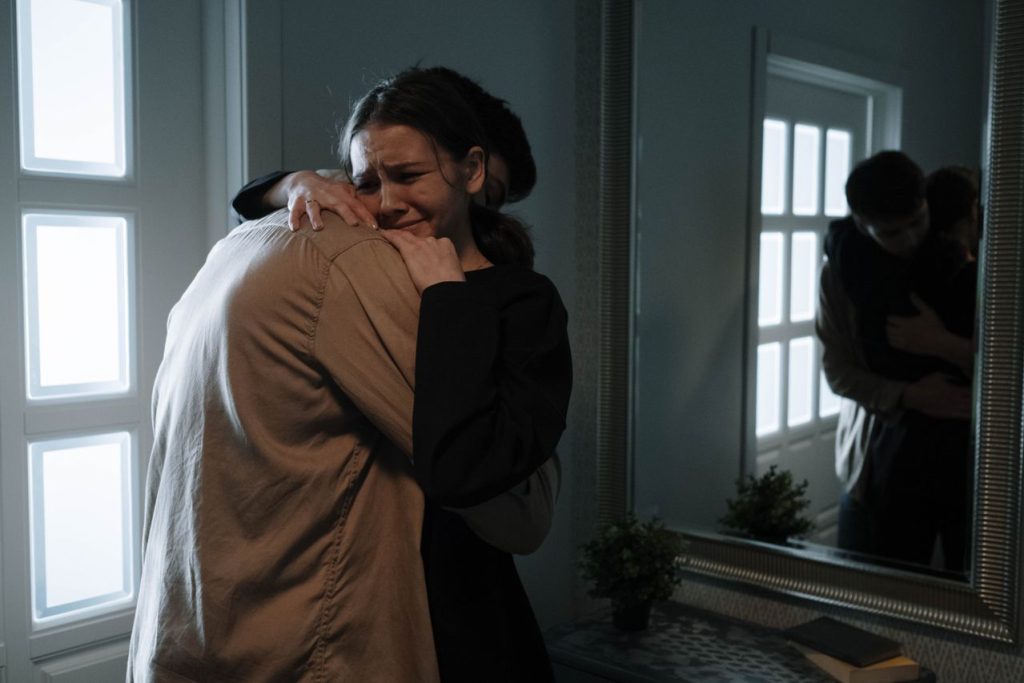
Holidays and anniversaries are often associated with celebration, connection, and cherished traditions. They mark birthdays, weddings, religious observances, family gatherings, and meaningful milestones that people look forward to year after year. But after the loss of a loved one, these same occasions can become emotionally overwhelming. Moments that once brought joy may now trigger sadness, loneliness, anxiety, or even dread.
Grief tends to intensify during holidays and anniversaries because these dates highlight the absence of someone important. A chair at the dinner table may sit empty. A familiar laugh may no longer echo through the room. Certain songs, scents, decorations, or traditions can instantly bring back memories and emotions that feel difficult to manage.
For many people, grief around special dates is unpredictable. Some may feel emotional weeks before the event arrives, while others may experience sudden waves of sadness during or after the occasion. There is no “correct” way to grieve during holidays and anniversaries. Each person’s emotional response is deeply personal and shaped by their relationship, culture, personality, and support system.
Managing grief during these times does not mean avoiding emotions or pretending everything is okay. Instead, it involves finding compassionate ways to honor feelings, care for emotional well-being, and adapt traditions when necessary. Healing does not erase loss, but it can help individuals move through meaningful dates with greater self-understanding and resilience.
This article explores practical and emotional strategies for managing grief around holidays and anniversaries. It will discuss why these dates are particularly difficult, how grief affects emotional and physical health, and healthy ways to cope while honoring memories and personal needs.
Key Takeaways
- Holidays and anniversaries often intensify grief because they highlight the absence of loved ones.
- Emotional reactions around special dates are normal and can vary greatly from person to person.
- Planning can reduce stress and emotional overwhelm during difficult occasions.
- It is okay to change traditions, decline invitations, or create new ways of honoring memories.
- Grief can affect emotional, mental, and physical well-being during holidays.
- Support from family, friends, therapists, or grief groups can provide comfort and connection.
- Self-care, boundaries, and emotional honesty are essential during the grieving process.
- Healing does not mean forgetting loved ones—it means learning to carry memories in healthy ways.
Why Holidays And Anniversaries Intensify Grief
The Emotional Weight Of Meaningful Dates
Special dates carry emotional significance because they are often tied to memories, rituals, and relationships. When someone dies, those memories remain deeply connected to specific occasions. Birthdays, anniversaries, holidays, and family traditions can become reminders of the loss in ways that feel impossible to ignore.
A grieving person may remember how their loved one decorated the house during the holidays, cooked a favorite meal, or shared meaningful conversations during celebrations. These memories can create a painful contrast between the past and present.
Even positive memories may trigger sadness because they emphasize what has changed. While remembering a loved one can bring comfort, it may also intensify feelings of longing and emptiness.
In some cases, grief anticipation begins long before the event arrives. Individuals may feel anxious weeks ahead of a holiday or anniversary because they fear how emotional the day will become. This anticipatory grief can affect concentration, sleep, appetite, and mood.
Understanding that these emotional reactions are normal can reduce feelings of guilt or confusion. Grief naturally resurfaces around meaningful dates because love and memories remain deeply connected.
The Pressure To Feel Happy During Celebrations
One of the hardest aspects of grieving during holidays is the expectation to feel cheerful. Society often portrays holidays as joyful, festive occasions centered on gratitude, togetherness, and celebration. This cultural pressure can make grieving individuals feel isolated or misunderstood.
People may feel guilty for not wanting to celebrate. Others may force themselves to appear happy to avoid making family members uncomfortable. Suppressing grief, however, can increase emotional exhaustion and stress.
Some grieving individuals experience conflicting emotions during celebrations. They may feel moments of joy while simultaneously feeling sadness or guilt. This emotional duality is completely normal. Experiencing happiness does not mean someone has forgotten their loved one, just as experiencing sadness does not mean they are failing to heal.
Allowing space for mixed emotions is an important part of managing grief during holidays and anniversaries.
Understanding Different Types Of Grief Responses
Emotional Reactions During Holidays
Grief affects emotions in many different ways, especially during emotionally charged occasions. Common emotional responses include:
Sadness
Feelings of deep sorrow may intensify when memories become more vivid during holidays or anniversaries.
Loneliness
Even when surrounded by others, grieving individuals may feel emotionally disconnected because someone important is missing.
Anxiety
People may worry about how they will cope emotionally during gatherings or traditions.
Anger
Some individuals feel anger toward circumstances, medical situations, family dynamics, or even the unfairness of the loss itself.
Guilt
Grieving people sometimes feel guilty for celebrating, laughing, or enjoying themselves after a loss.
Emotional Numbness
Not everyone experiences intense sadness. Some individuals feel emotionally detached or numb, especially during early grief.
These responses can change from year to year. The first holiday after a loss often feels especially painful, but future years may still trigger strong emotions unexpectedly.
Preparing For Holidays And Anniversaries
The Importance Of Planning Ahead
One of the most effective ways to manage grief during special occasions is to plan. Emotional preparation helps reduce uncertainty and allows grieving individuals to make intentional decisions about how they want to spend the day.
Planning may include:
- Deciding whether to attend gatherings
- Communicating emotional needs to family members
- Creating an exit plan if emotions become overwhelming
- Scheduling supportive activities
- Setting realistic expectations
Without preparation, people may feel emotionally trapped or overwhelmed by unexpected triggers.
It can also help to acknowledge that plans may need flexibility. Some individuals feel differently once the day arrives than they expected beforehand. Permitting oneself to change plans can reduce unnecessary pressure.
Setting Emotional Boundaries
Boundaries are essential during grief, especially around holidays when social expectations increase.
A grieving person may need to:
- Decline invitations
- Limit time at gatherings
- Avoid certain conversations
- Take breaks during events
- Spend time alone
Setting boundaries is not selfish. It is a form of emotional self-protection and self-care.
Family and friends may not fully understand grief reactions, particularly if they are grieving differently. Open communication can help reduce misunderstandings.
Examples of healthy boundary-setting include:
- “I may only stay for a short time today.”
- “I’m not ready to participate in that tradition this year.”
- “I need some quiet time this evening.”
Being honest about emotional capacity can reduce stress and emotional burnout.
Creating New Traditions After Loss
Why Traditions May Need To Change
After a loss, old traditions may feel too painful to continue exactly as before. Some people try to maintain every tradition unchanged, while others avoid celebrations entirely. Neither response is inherently wrong.
However, creating new traditions can help grieving individuals balance remembrance with healing.
New traditions acknowledge that life has changed while still honoring the importance of loved ones and meaningful memories.
Examples include:
- Lighting a candle in memory of a loved one
- Cooking their favorite meal
- Sharing stories or photographs
- Donating to a meaningful cause
- Taking a reflective walk
- Writing letters to a deceased loved one
These rituals can create a sense of connection and emotional comfort.
Allowing Traditions To Evolve
Families often struggle with deciding whether to keep or change traditions after a death. Different family members may have different emotional needs.
One person may want to continue every holiday tradition exactly as before, while another may find that too painful.
Compromise and communication are important. Traditions do not need to remain fixed forever. They can evolve naturally over time.
The goal is not perfection—it is emotional support and meaningful connection.

Honoring Loved Ones During Difficult Dates
Healthy Ways To Remember Loved Ones
Many grieving individuals fear that moving forward means forgetting the person they lost. In reality, remembrance can become a healthy and healing part of grief.
Honoring loved ones during holidays and anniversaries may include:
Memory Rituals
Lighting candles, displaying photos, or visiting meaningful places can help maintain an emotional connection.
Acts Of Kindness
Some people volunteer, donate, or help others in memory of their loved one.
Storytelling
Sharing memories allows families to celebrate a person’s life rather than focusing only on loss.
Creative Expression
Writing, art, music, or journaling can provide emotional release and remembrance.
Spiritual Practices
Prayer, meditation, or religious observances may provide comfort for some individuals.
There is no single correct way to honor someone. Meaningful remembrance is deeply personal.
Managing Social Gatherings While Grieving
Navigating Family Expectations
Family gatherings can become emotionally complicated after a loss. Different relatives may grieve differently, creating tension or misunderstandings.
Some individuals prefer open discussions about the loved one, while others avoid mentioning the loss entirely.
Healthy communication can help families navigate these emotional differences. It is important to remember that grief styles vary.
Practical ways to manage gatherings include:
- Arriving late or leaving early
- Bringing a supportive friend
- Taking breaks when needed
- Having calming activities available
- Allowing emotional expression without judgment
It is also okay to skip gatherings entirely if attending would cause overwhelming emotional distress.
Handling Difficult Conversations
People often struggle to know what to say to someone who is grieving. As a result, they may say unintentionally hurtful things such as:
- “You should be over it by now.”
- “At least they lived a long life.”
- “Everything happens for a reason.”
These comments can feel dismissive, even if they are well-intentioned.
Preparing responses in advance may help reduce emotional stress. Examples include:
- “I appreciate your concern.”
- “Grief looks different for everyone.”
- “I’m taking things one day at a time.”
Protecting emotional well-being during conversations is important.
Supporting Children Through Holiday Grief
How Children Experience Grief Differently
Children often experience grief differently from adults. Their understanding of death changes depending on age and developmental stage.
During holidays and anniversaries, children may:
- Become more emotional or irritable
- Ask repeated questions about the deceased person
- Regress behaviorally
- Feel confused about celebrations
- Worry about additional losses
Adults sometimes assume children are unaffected because they continue playing or engaging normally. However, children often process grief in shorter emotional bursts.
Providing reassurance, honesty, and emotional support helps children feel safe during difficult occasions.
Helping Children Honor Memories
Children benefit from participating in remembrance activities. This may include:
- Drawing pictures
- Creating memory boxes
- Sharing stories
- Writing letters
- Looking through photos
Allowing children to express emotions openly teaches them that grief is natural and acceptable.
Avoiding conversations about loss can increase confusion or anxiety. Gentle, age-appropriate honesty is usually healthier than silence.
Self-Care During Grief
Why Self-Care Matters During Emotional Triggers
Holidays and anniversaries can drain emotional energy quickly. Self-care helps regulate stress and support mental health during grief.
Self-care does not eliminate pain, but it can improve emotional resilience.
Healthy self-care strategies include:
- Getting adequate sleep
- Staying hydrated
- Eating balanced meals
- Taking walks or exercising gently
- Spending time outdoors
- Practicing mindfulness or meditation
- Limiting overwhelming obligations
People often neglect physical needs while grieving, which can intensify emotional distress.
Permitting Yourself To Rest
Many grieving individuals feel pressure to maintain traditions, host events, or meet others’ expectations during holidays. This can create emotional exhaustion.
Rest is not laziness. Emotional processing requires energy.
Sometimes the healthiest choice is simplifying plans, reducing commitments, or allowing space for quiet reflection.
Healing is not measured by productivity or performance during holidays.
When Grief Becomes Overwhelming
Recognizing Complicated Grief Or Depression
Grief naturally involves sadness, but sometimes emotional pain becomes prolonged or severely disruptive.
Signs that professional support may be helpful include:
- Persistent hopelessness
- Inability to function daily
- Severe isolation
- Intense guilt
- Suicidal thoughts
- Ongoing numbness
- Substance misuse
- Extreme anxiety
Holidays and anniversaries may intensify underlying mental health struggles.
Therapy, grief counseling, or support groups can provide valuable coping tools and emotional guidance.
Seeking help is not weakness—it is an important step toward healing.
Finding Meaning While Continuing To Grieve
Healing Does Not Mean Forgetting
One of the most misunderstood aspects of grief is the idea that healing requires “moving on” from loved ones. In reality, many people learn to move forward while still maintaining emotional connection and love.
Grief changes over time. The intensity may soften, but meaningful dates may still bring moments of sadness years later.
This does not mean healing has failed. It means love remains present.
Many grieving individuals eventually discover ways to carry memories forward while also rebuilding joy, connection, and purpose in life.
Conclusion
Managing grief around holidays and anniversaries is one of the most emotionally challenging parts of the grieving process. Special dates often magnify feelings of absence, longing, sadness, and emotional vulnerability. Traditions, memories, and celebrations can become reminders of profound loss, making it difficult to navigate occasions that once brought happiness and comfort.
However, grief during holidays is not something that must be hidden, rushed, or “fixed.” Emotional responses during these times are deeply human and entirely valid. Some individuals may cry openly, while others may feel numb, anxious, angry, or emotionally exhausted. There is no universal timeline or correct way to experience grief.
Learning to manage grief involves self-compassion, preparation, and flexibility. Setting boundaries, changing traditions, honoring loved ones, and seeking support can all help reduce emotional overwhelm. It is okay to celebrate differently. It is okay to say no to certain gatherings. It is okay to create space for both joy and sadness to exist together.
Importantly, healing does not erase love or memories. Continuing to miss someone during holidays and anniversaries is not a sign of weakness—it reflects the depth of connection shared with that person.
Over time, many individuals discover that grief evolves rather than disappears. Painful dates may still carry sadness, but they can also become opportunities for remembrance, reflection, connection, and healing. By approaching grief with patience and kindness, people can gradually learn to navigate holidays and anniversaries in ways that honor both their loved ones and their own emotional well-being.
FAQ
1. Why Do Holidays Make Grief Feel Worse?
Holidays often intensify grief because they are strongly connected to memories, traditions, and relationships. These occasions highlight the absence of loved ones and can trigger emotional reminders of loss.
2. Is It Normal To Avoid Celebrations After Losing Someone?
Yes. Many grieving individuals find celebrations emotionally overwhelming, especially during the first year after a loss. Some people choose to participate less, change traditions, or spend holidays quietly.
3. How Can I Honor A Loved One During Holidays?
You can honor loved ones through memory rituals, storytelling, lighting candles, cooking favorite meals, volunteering, creating photo displays, or engaging in meaningful traditions that reflect their life and personality.
4. Should I Force Myself To Attend Family Gatherings?
Not necessarily. It is important to consider your emotional capacity and well-being. Attending gatherings should be a personal choice, not an obligation. Setting boundaries is healthy during grief.
5. How Do I Help Children Cope With Grief During Holidays?
Be honest, supportive, and emotionally available. Encourage children to express feelings, ask questions, and participate in remembrance activities. Maintaining routines can also help children feel secure.
6. When Should Someone Seek Professional Help For Grief?
Professional support may be helpful if grief becomes overwhelming, severely disrupts daily functioning, causes intense hopelessness, or leads to isolation, depression, or harmful coping behaviors.
7. Is It Normal To Still Feel Grief Years Later?
Yes. Grief does not always disappear completely. Many people continue feeling emotional during anniversaries and holidays, years after a loss. This reflects ongoing love and remembrance rather than failure to heal.
8. Can People Feel Happiness While Grieving?
Absolutely. Grief and joy can coexist. Experiencing moments of laughter, gratitude, or connection does not mean someone has forgotten their loved one. Mixed emotions are a natural part of healing.
Find Support Through Grief, Loss & Life Transitions In Los Angeles
Life changes can feel overwhelming. Whether you’re coping with the loss of a loved one, the end of a relationship, career stress, burnout, or another major transition, it’s easy to feel emotionally exhausted and unsure how to move forward. At Blue Sky Psychiatry, we provide compassionate, evidence-based support to help individuals in Los Angeles navigate grief, loss, and life transitions with greater clarity, resilience, and emotional balance.
Led by Dr. Mindy Werner-Crohn and Shira Crohn, our team creates a supportive space where you can process difficult emotions, build healthier coping skills, and begin healing at your own pace. Whether your grief feels recent or long-standing, you don’t have to carry it alone.
Our Los Angeles office offers both in-person and secure online therapy sessions, making it easier to access care in the way that feels most comfortable for you. Reach out today to schedule a consultation and take the next step toward healing and support.


