
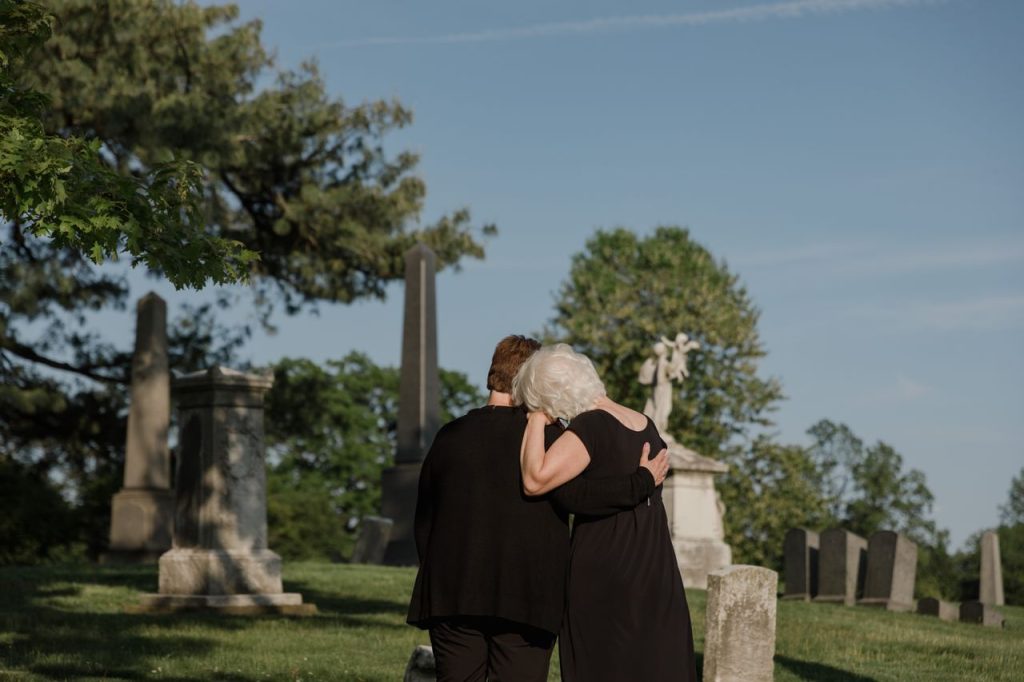
Grief is one of the most natural human responses to loss. Whether it follows the death of a loved one, the end of a meaningful relationship, the loss of a career, or another life-altering event, grief affects every person differently. Some individuals experience waves of sadness that gradually become easier to manage over time, while others may feel emotionally overwhelmed for months or even years after the loss. There is no universal timeline for healing, and no “correct” way to grieve.
However, there are situations where grief becomes so intense, persistent, and disruptive that it interferes with daily life and emotional well-being. This is often referred to as prolonged grief. People experiencing prolonged grief may feel stuck in their pain, unable to regain a sense of normalcy or reconnect with life after loss. Everyday activities such as working, sleeping, socializing, or caring for oneself may become increasingly difficult. The emotional burden can feel isolating, exhausting, and never-ending.
While grief itself is not a mental illness, prolonged grief can significantly impact mental, emotional, and physical health when left unaddressed. Seeking therapy does not mean someone is weak or grieving incorrectly. Instead, it provides a supportive environment where individuals can process their emotions, understand their experiences, and learn healthy coping strategies that promote healing.
Therapy can help people navigate complicated emotions such as guilt, anger, numbness, anxiety, regret, or hopelessness. It also offers guidance in rebuilding routines, relationships, and personal identity after a major loss. Mental health professionals trained in grief counseling understand the unique challenges associated with bereavement and can tailor treatment to meet individual needs.
Recognizing when grief may require professional support is important because prolonged suffering should not be ignored. Many people delay therapy because they believe they should “move on” on their own or fear being judged for needing help. In reality, reaching out for support is often one of the most important steps toward healing.
This article explores the signs of prolonged grief, how it differs from typical mourning, the emotional and physical effects it can have, and when therapy may be beneficial. It also discusses the different types of therapy available and how professional support can help individuals find hope, connection, and meaning again after loss.
Key Takeaways
- Grief is a normal response to loss, but prolonged grief may require professional support.
- Persistent emotional pain that interferes with daily life can be a sign that therapy is needed.
- Symptoms of prolonged grief may include intense sadness, isolation, hopelessness, guilt, or inability to function.
- Therapy provides a safe space to process emotions and develop healthy coping skills.
- Early support can prevent grief from worsening into depression, anxiety, or physical health problems.
- There is no shame in seeking help for grief-related struggles.
- Different therapy approaches can be tailored to each individual’s needs and experiences.
- Healing does not mean forgetting a loved one—it means learning how to move forward while honoring the loss.
Understanding Prolonged Grief
What Is Prolonged Grief?
Grief is expected after a significant loss, but prolonged grief occurs when intense mourning continues for an extended period and disrupts a person’s ability to function in daily life. While many people gradually adjust to life after loss, prolonged grief may leave someone emotionally “stuck” in the pain of bereavement.
Individuals with prolonged grief often experience persistent longing for the person they lost, overwhelming sadness, difficulty accepting the death, and a sense that life has lost its meaning. These feelings may continue for many months or years without improvement.
Prolonged grief is more than occasional sadness or emotional remembrance. It involves ongoing emotional distress that remains severe and consuming over time. The individual may avoid reminders of the loss or become preoccupied with memories, regrets, or unanswered questions.
Mental health professionals increasingly recognize prolonged grief as a serious condition that deserves compassionate treatment. It can affect emotional health, relationships, work performance, and physical wellness.
Normal Grief Vs. Prolonged Grief
One of the most challenging aspects of grief is understanding what is considered normal. Since everyone grieves differently, there is no exact timeline for emotional recovery. However, there are differences between healthy mourning and prolonged grief that may indicate a need for therapy.
Normal grief often comes in waves. Some days may feel manageable, while others are emotionally painful. Over time, many individuals slowly regain the ability to experience moments of joy, reconnect with others, and engage in daily activities.
Prolonged grief tends to remain consistently intense. Instead of gradually adapting, the individual may continue to feel emotionally devastated without relief. The pain may feel as fresh months later as it did immediately after the loss.
Common differences include:
Normal Grief
- Emotional pain slowly becomes more manageable
- The ability to experience positive emotions returns over time
- Daily functioning gradually improves
- Support from loved ones feels comforting
- Memories can bring both sadness and warmth
Prolonged Grief
- Emotional suffering remains severe and persistent
- Difficulty accepting the loss
- Isolation from others increases
- Daily responsibilities become overwhelming
- Feelings of hopelessness continue long-term
Understanding these differences can help individuals recognize when additional support may be necessary.
Common Signs That Therapy May Be Needed
Persistent Intense Sadness
One of the clearest indicators that therapy may help is when overwhelming sadness does not improve over time. While grief naturally involves sorrow, persistent emotional pain that remains debilitating for months may signal prolonged grief.
Some individuals cry frequently, feel emotionally numb, or experience constant despair. Others may struggle with emotional exhaustion that makes it difficult to complete even simple daily tasks.
Therapy can help individuals explore unresolved emotions and begin developing strategies for emotional healing.
Difficulty Functioning In Daily Life
Grief can temporarily affect concentration, energy, and motivation. However, when someone cannot maintain work responsibilities, relationships, hygiene, or basic routines for an extended period, professional support may be beneficial.
Signs may include:
- Missing work frequently
- Ignoring personal care
- Difficulty sleeping or eating
- Withdrawing from family and friends
- Loss of interest in previously enjoyed activities
Therapists can help individuals rebuild structure and regain a sense of stability.
Intense Loneliness And Isolation
Many grieving individuals withdraw socially, especially when they feel misunderstood or emotionally overwhelmed. However, chronic isolation can deepen emotional suffering and contribute to depression or anxiety.
People experiencing prolonged grief may:
- Avoid social gatherings
- Stop responding to messages
- Feel disconnected from others
- Believe no one understands their pain
Therapy provides a supportive, nonjudgmental space where individuals can express emotions openly without fear of burdening others.
Persistent Guilt Or Self-Blame
After a loss, some individuals become trapped in thoughts about what they “should have done differently.” They may replay events repeatedly, believing they failed their loved one in some way.
Examples include:
- “I should have called more often.”
- “If I had noticed the symptoms sooner, they would still be alive.”
- “I should have prevented this.”
Excessive guilt can prolong emotional suffering and interfere with healing. Therapy helps individuals process these thoughts realistically and compassionately.
Physical Health Effects
Grief affects more than emotions—it also impacts the body. Chronic stress associated with prolonged grief may contribute to:
- Sleep disturbances
- Headaches
- Fatigue
- Weakened immune function
- Digestive problems
- Appetite changes
- Increased risk of chronic illness
Long-term emotional distress can place significant strain on physical health, making professional support even more important.
Why People Delay Seeking Therapy
Fear Of Judgment
Many people worry that seeking therapy means they are weak or incapable of handling grief independently. Cultural beliefs, family expectations, or stigma around mental health may discourage people from reaching out.
In reality, therapy is a healthy and proactive form of support.
Believing Grief Should Follow A Timeline
Some individuals feel pressured to “move on” after a certain amount of time. Others believe they should simply endure the pain without help.
Grief does not follow a strict schedule, and healing often requires support, especially after traumatic or unexpected losses.
Difficulty Recognizing The Severity Of Symptoms
People experiencing prolonged grief may not realize how deeply their emotional health has been affected. Over time, emotional suffering can begin to feel normal.
Family members or close friends are sometimes the first to notice concerning changes.
How Therapy Helps With Prolonged Grief
Providing Emotional Validation
One of the most important benefits of therapy is having a safe environment where grief is acknowledged and validated. Therapists allow individuals to express painful emotions openly without judgment.
This validation can reduce feelings of shame, isolation, and emotional suppression.
Teaching Healthy Coping Strategies
Therapists help individuals develop practical coping tools for managing grief-related emotions. These strategies may include:
- Mindfulness exercises
- Journaling
- Stress management techniques
- Emotional regulation skills
- Grounding exercises
- Communication skills
Healthy coping strategies improve emotional resilience and daily functioning.

Types Of Therapy For Prolonged Grief
Individual Grief Counseling
Individual therapy provides one-on-one support tailored to a person’s unique experience. Sessions may focus on emotional processing, coping skills, trauma recovery, or rebuilding daily life after loss.
This personalized approach allows individuals to work at their own pace.
Support Groups
Group therapy or bereavement support groups connect grieving individuals with others who have experienced similar losses.
Benefits include:
- Reduced isolation
- Shared understanding
- Emotional support
- Learning from others’ experiences
Many individuals find comfort in knowing they are not alone.
Family Therapy
Loss can affect entire families differently. Family therapy helps improve communication, resolve tension, and support collective healing.
It may be especially helpful when grief creates conflict or emotional distance within relationships.
When To Seek Immediate Professional Help
Thoughts Of Self-Harm Or Suicide
If grief leads to thoughts of self-harm, hopelessness, or suicide, immediate professional intervention is critical.
Warning signs may include:
- Feeling that life is meaningless
- Wanting to “join” the deceased
- Giving away possessions
- Severe hopelessness
- Withdrawal from everyone
Crisis support, therapy, and emergency mental health services can provide lifesaving assistance.
Substance Abuse And Risky Behaviors
Some individuals attempt to numb grief through alcohol, drugs, reckless driving, gambling, or other harmful behaviors.
These coping mechanisms often worsen emotional distress and increase safety risks.
Professional support can help address both grief and substance-related concerns.
Supporting A Loved One With Prolonged Grief
Encouraging Therapy Compassionately
Friends and family members may notice prolonged grief symptoms before the grieving individual recognizes them.
Supportive approaches include:
- Listening without judgment
- Avoiding pressure to “move on”
- Offering practical help
- Gently suggesting therapy
Compassionate encouragement can make seeking help feel less intimidating.
Avoiding Harmful Statements
Although often well-intentioned, certain comments can invalidate grief.
Examples to avoid:
- “Everything happens for a reason.”
- “You need to stay strong.”
- “It’s time to move on.”
- “At least they lived a long life.”
Instead, supportive statements include:
- “I’m here for you.”
- “You don’t have to go through this alone.”
- “Your feelings are valid.”
Rebuilding Life After Loss
Finding Meaning Again
Healing from prolonged grief does not mean forgetting a loved one. Instead, it involves learning how to carry the memory of the loss while reconnecting with life.
Many individuals eventually find meaning through:
- Honoring traditions
- Volunteering
- Creative expression
- Spiritual practices
- Strengthening relationships
Therapy can help individuals rediscover purpose and hope.
Accepting That Healing Takes Time
Recovery from grief is rarely linear. Some days may feel manageable, while others may bring intense emotions unexpectedly.
Therapy helps individuals understand that setbacks are normal and that healing is a gradual process rather than a destination.
Conclusion
Grief is a deeply personal and emotional journey that affects every individual differently. While sadness, longing, confusion, and emotional pain are natural responses to loss, prolonged grief can become overwhelming when it continues to interfere with daily functioning and emotional well-being over time. Persistent despair, isolation, guilt, hopelessness, or inability to move forward may signal that professional support is needed.
Seeking therapy for prolonged grief is not a sign of weakness or failure. It is an important step toward healing, self-care, and emotional recovery. Therapists provide compassionate guidance, coping strategies, and emotional support that can help individuals process loss in healthy and meaningful ways. Whether through individual counseling, cognitive behavioral therapy, support groups, or family therapy, professional care offers tools that make healing more manageable.
Many people hesitate to seek therapy because they believe grief should eventually disappear on its own. However, unresolved grief can affect mental health, physical wellness, relationships, and overall quality of life. Early intervention can reduce emotional suffering and help individuals regain stability, connection, and hope.
Healing does not mean forgetting the person or experience that was lost. Instead, it means learning how to live alongside grief while continuing to grow, connect, and find meaning again. With the right support, individuals can move forward while still honoring the love and memories that remain important to them.
No one should feel pressured to face prolonged grief alone. Support is available, healing is possible, and reaching out for help can be one of the most powerful steps toward recovery.
Frequently Asked Questions
1. How Long Does Grief Normally Last?
There is no exact timeline for grief. Some individuals begin adjusting within months, while others need years to process a significant loss. Therapy may be helpful when grief remains intensely disruptive for an extended period.
2. What Is Prolonged Grief Disorder?
Prolonged grief disorder is a condition involving persistent and intense grief that interferes with daily functioning long after a loss has occurred. Symptoms may include severe longing, emotional pain, isolation, and an inability to accept the loss.
3. Is Therapy Necessary For Grief?
Not everyone requires therapy while grieving. However, therapy can be extremely beneficial when grief becomes overwhelming, persistent, traumatic, or disruptive to daily life.
4. Can Grief Cause Physical Illness?
Yes. Chronic grief-related stress can affect sleep, appetite, immune function, heart health, and overall physical wellness.
5. What Type Of Therapist Helps With Grief?
Licensed mental health professionals such as grief counselors, psychologists, therapists, or clinical social workers often specialize in grief and bereavement support.
6. Is It Normal To Still Grieve Years Later?
Yes. It is normal to continue missing a loved one years later. However, if grief remains severely debilitating or prevents engagement in life, therapy may help.
7. Can Children Experience Prolonged Grief?
Yes. Children and teenagers can also experience prolonged grief, though symptoms may appear differently than in adults. Behavioral changes, withdrawal, anxiety, or academic difficulties may be signs they need support.
8. What Should I Expect During Grief Therapy?
Grief therapy typically involves discussing emotions, memories, coping challenges, and personal experiences related to the loss. Therapists may also teach coping strategies and emotional regulation techniques.
9. Can Support Groups Help With Prolonged Grief?
Yes. Support groups can reduce feelings of isolation and provide connection with others who understand similar experiences.
10. Does Healing From Grief Mean Forgetting The Person?
No. Healing means learning how to continue living while maintaining meaningful memories and emotional connections to the person who was lost.
Find Support Through Grief, Loss & Life Transitions In Los Angeles
Life changes can feel overwhelming. Whether you’re coping with the loss of a loved one, the end of a relationship, career stress, burnout, or another major transition, it’s easy to feel emotionally exhausted and unsure how to move forward. At Blue Sky Psychiatry, we provide compassionate, evidence-based support to help individuals in Los Angeles navigate grief, loss, and life transitions with greater clarity, resilience, and emotional balance.
Led by Dr. Mindy Werner-Crohn and Shira Crohn, our team creates a supportive space where you can process difficult emotions, build healthier coping skills, and begin healing at your own pace. Whether your grief feels recent or long-standing, you don’t have to carry it alone.
Our Los Angeles office offers both in-person and secure online therapy sessions, making it easier to access care in the way that feels most comfortable for you. Reach out today to schedule a consultation and take the next step toward healing and support.


