

For many people with anxiety disorders, getting to an appointment can feel overwhelming. Panic attacks, social anxiety, or fear of leaving home may make traveling difficult. Busy schedules, family responsibilities, and Los Angeles traffic can create even more barriers. Telehealth makes mental health care easier by allowing patients to meet with licensed psychiatric providers from the comfort and privacy of home while continuing to receive quality care.
Medication management through telehealth is more than renewing prescriptions. Providers evaluate symptoms, recommend appropriate medications, monitor progress, adjust treatment, and provide ongoing support. This guide explains how telehealth medication management works, its benefits and limitations, what to expect during virtual visits, and why regular follow-up care is important for long-term anxiety relief.
Key Takeaways
- Telehealth allows many medication management appointments to be completed securely from home.
- Virtual psychiatric care can reduce common barriers such as travel time, traffic, and scheduling conflicts.
- Medication management involves comprehensive evaluations, education, monitoring, and treatment adjustments, not simply prescription refills.
- Telehealth may improve appointment attendance and treatment consistency for individuals with anxiety disorders.
- Many anxiety disorders can be effectively managed through a combination of telehealth medication management, psychotherapy, and healthy lifestyle habits.
- Regular follow-up appointments remain important for monitoring progress and adjusting medications when necessary.
- Individuals seeking Medication Management for Anxiety Disorders in Los Angeles can benefit from convenient, personalized psychiatric care through telehealth when clinically appropriate.
Understanding Medication Management For Anxiety Disorders
Medication management is an ongoing psychiatric service that focuses on helping patients use anxiety medications safely and effectively as part of a comprehensive treatment plan. Rather than simply prescribing medication, psychiatric providers continuously evaluate how treatment is working and make adjustments based on each patient’s progress.
Medication management often includes:
- Comprehensive psychiatric evaluations
- Anxiety symptom assessments
- Medication selection
- Dose adjustments
- Side effect monitoring
- Patient education
- Progress evaluations
- Coordination with psychotherapy when appropriate
- Long-term treatment planning
Telehealth has made many of these services more accessible while maintaining individualized care.
What Is Telehealth?
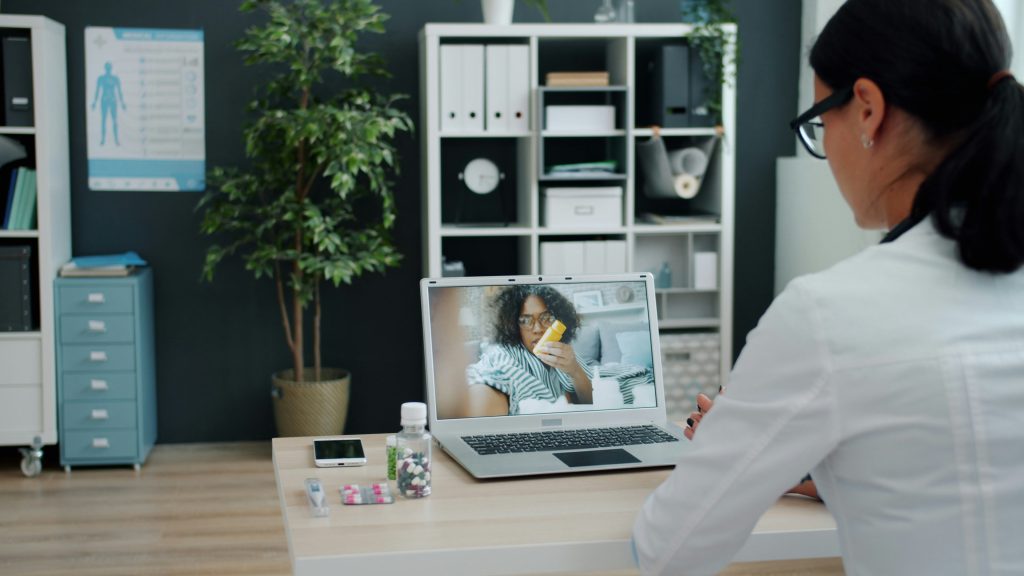
Telehealth is the delivery of healthcare services through secure digital communication technologies, allowing patients to connect with healthcare providers remotely. In mental health care, telehealth appointments are typically conducted using encrypted video conferencing platforms that enable real-time, confidential communication between patients and psychiatric providers. Depending on an individual’s treatment needs and the provider’s recommendations, telehealth services may include video appointments, follow-up consultations, medication reviews, treatment planning, patient education, and ongoing progress monitoring. By offering convenient virtual access to psychiatric care, telehealth allows patients to receive consistent mental health support without needing to travel to a physical office for every appointment.
Why Telehealth Has Become So Popular
Telehealth has become increasingly popular because mental health providers recognize that convenient access to care plays a significant role in successful treatment. When appointments are easier to attend, patients are often more likely to stay engaged with their treatment plans and maintain regular follow-up visits. Greater scheduling flexibility, reduced travel time, enhanced privacy, improved access to psychiatric specialists, better continuity of care, ongoing technological advancements, and the growing acceptance of virtual healthcare have all contributed to telehealth’s widespread adoption. For many individuals living with anxiety disorders, these advantages make seeking professional mental health care feel more manageable and far less overwhelming.
How Telehealth Supports Anxiety Treatment
Telehealth is particularly beneficial for individuals with anxiety disorders because many symptoms can make attending in-person appointments challenging. People who experience panic attacks while driving, social anxiety during office visits, agoraphobia, fear of unfamiliar environments, or stress caused by crowded waiting rooms often find virtual appointments much more accessible. By allowing patients to receive psychiatric care from the comfort and familiarity of their own homes, telehealth removes many of these barriers and creates a more relaxed environment that encourages open communication with their psychiatric provider.
The Convenience of Receiving Care at Home
Receiving medication management from home offers numerous practical advantages that simplify ongoing mental health treatment. Patients can avoid long commutes, heavy traffic, parking difficulties, time away from work, arranging childcare, and the stress of using public transportation. These conveniences make it significantly easier for busy professionals, students, parents, and caregivers to fit psychiatric appointments into their schedules, helping them prioritize their mental health without disrupting their daily responsibilities.
Saving Time Without Sacrificing Quality
One of the greatest benefits of telehealth is its ability to save time while maintaining the high quality of psychiatric care. Traditional in-person appointments often require travel, time spent in waiting rooms, transportation planning, and extended absences from work or school. Virtual appointments eliminate many of these logistical challenges while still allowing psychiatric providers to conduct thorough evaluations, review medication effectiveness, discuss symptoms, monitor progress, and make informed treatment decisions that support each patient’s ongoing mental health needs.
Greater Appointment Consistency
Regular follow-up appointments are essential for effective medication management because they allow psychiatric providers to evaluate symptom improvement, monitor how well medications are working, address potential side effects, adjust treatment plans when necessary, and reinforce long-term treatment goals. Since telehealth removes many common scheduling and transportation barriers, patients are often better able to attend appointments consistently, leading to improved continuity of care and stronger long-term treatment outcomes.
Increased Comfort During Appointments
Many individuals feel more comfortable discussing their mental health with a psychiatric provider while remaining in the familiar surroundings of their own home. Being in a comfortable environment can reduce the anxiety associated with medical offices, social interactions, unfamiliar settings, and traveling to appointments. As a result, patients often feel more at ease sharing their symptoms, concerns, treatment experiences, and progress, allowing providers to gain a more complete understanding of their needs and deliver more effective care.
Telehealth and Personalized Medication Management
Although some people worry that virtual appointments may feel less personal than in-office visits, experienced psychiatric providers continue to deliver highly individualized medication management through telehealth. During each appointment, providers carefully assess anxiety symptoms, panic attacks, sleep quality, mood changes, daily functioning, medication adherence, side effects, and progress toward treatment goals. Even though appointments take place remotely, every treatment plan is tailored to the patient’s unique symptoms, medical history, and ongoing needs, ensuring that personalized, high-quality psychiatric care remains the foundation of every telehealth visit.
What Happens During A Telehealth Medication Management Appointment?
A telehealth medication management appointment closely resembles an in-person visit, allowing your provider to evaluate your progress, discuss your concerns, and adjust your treatment plan as needed from the comfort of your home.
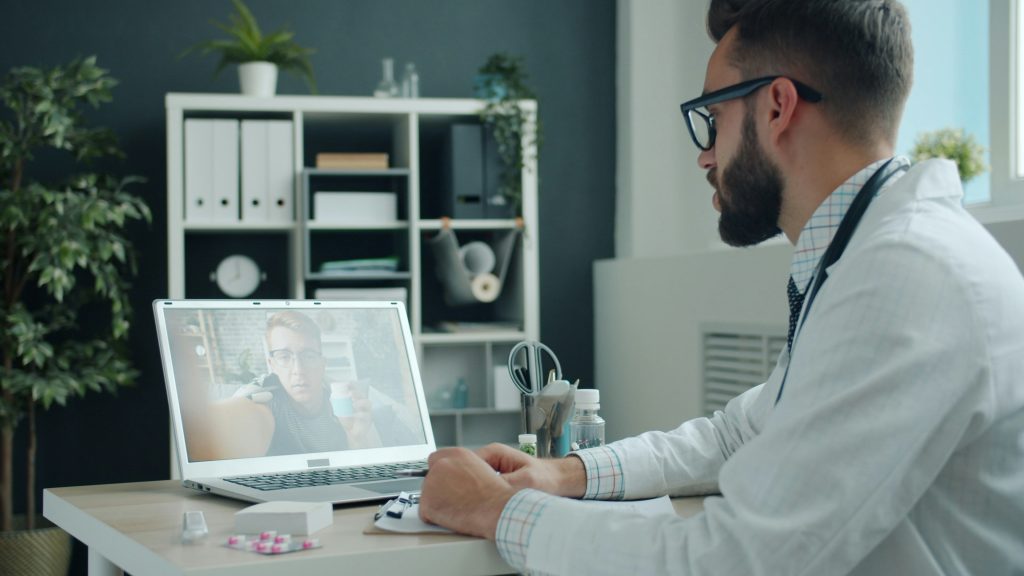
- Current Symptoms: Your provider will ask about the frequency and severity of your anxiety symptoms, whether your panic attacks have changed, and if your daily stress levels are improving.
- Medication Response: The appointment includes a discussion about how well your medication is working, whether your symptoms have improved, and if your current treatment continues to meet your needs.
- Side Effects: Your provider will review any potential side effects you may be experiencing, including fatigue, nausea, changes in sleep patterns, or appetite changes, to ensure your medication remains safe and effective.
- Lifestyle Factors: Your provider may also discuss important aspects of your daily routine, such as sleep, exercise, nutrition, stress levels, work responsibilities, and personal relationships, since each of these factors can significantly influence anxiety treatment and overall well-being.
Can Initial Medication Management Appointments Be Conducted Through Telehealth?
In many cases, initial medication management appointments can be conducted through telehealth, allowing psychiatric providers to complete a comprehensive evaluation that includes reviewing your psychiatric and medical history, assessing your symptoms, evaluating current medications, and developing a personalized treatment plan, although some clinical situations or regulatory requirements may necessitate an in-person visit or additional medical assessment based on your individual needs.
Benefits Of Telehealth For Individuals With Panic Disorder
For individuals living with panic disorder, telehealth offers a more comfortable and accessible way to receive care by reducing the stress associated with traveling to appointments, including driving anxiety, public transportation concerns, crowded waiting rooms, and unfamiliar environments, while allowing patients to receive treatment from the safety of home, which may also help lessen anticipatory anxiety before each session.
Benefits For Individuals With Social Anxiety Disorder
For individuals living with social anxiety disorder, attending in-person medical appointments can be a significant source of stress and emotional discomfort. Telehealth offers a more comfortable alternative by allowing patients to participate in medication management appointments from the familiarity and privacy of their own homes. Being in a safe, familiar environment can reduce anxiety associated with face-to-face interactions, making it easier to communicate openly about symptoms, medication concerns, and treatment progress. As a result, many individuals feel more at ease during virtual visits, which can foster stronger provider-patient communication and support more effective, personalized anxiety treatment.
Supporting Individuals With Busy Schedules
Many Los Angeles residents balance demanding careers, long commutes, education, and family responsibilities, making it difficult to attend in-person appointments. Telehealth makes medication management more convenient by allowing appointments to fit seamlessly into busy schedules while reducing travel time and minimizing disruptions to work and personal commitments.
Telehealth Encourages Ongoing Monitoring
Regular follow-up appointments are essential for effective medication management, and telehealth makes it easier for providers to consistently monitor symptom improvement, medication effectiveness, side effects, sleep quality, stress levels, and daily functioning, allowing timely adjustments that support better long-term treatment outcomes.
Combining Telehealth With Therapy
Medication management often provides the best results when combined with psychotherapy, allowing patients to address both the symptoms and underlying causes of anxiety disorders. Through telehealth, many individuals can conveniently access evidence-based treatments such as Cognitive Behavioral Therapy (CBT), Acceptance and Commitment Therapy (ACT), mindfulness-based therapies, and stress management counseling. Depending on the provider’s services and each patient’s unique needs, both medication management and therapy may be delivered remotely to support a more comprehensive and coordinated approach to anxiety treatment.
Privacy And Confidentiality
Protecting patient privacy is a top priority in mental health care, and reputable psychiatric practices use secure telehealth platforms to safeguard confidential information. Patients can further enhance privacy by choosing a quiet location, using headphones, ensuring a reliable internet connection, and minimizing interruptions, creating a comfortable environment that encourages open and honest communication during appointments.
Technology Requirements
Telehealth appointments generally require a smartphone, tablet, or computer with a reliable internet connection, a functioning camera, and a microphone, and many providers offer technical support before appointments to help ensure a smooth and hassle-free experience.
When In-Person Visits May Be Necessary

While telehealth provides convenient access to psychiatric care, certain situations may still require an in-person visit, such as physical examinations, complex medical concerns, diagnostic testing, emergencies, or circumstances that require closer medical observation, with your psychiatric provider determining the most appropriate approach based on your individual needs.
The Importance Of Honest Communication
Whether appointments take place virtually or in person, honest communication is essential because openly discussing medication concerns, side effects, missed doses, life stressors, new symptoms, and treatment goals enables your provider to make informed decisions and deliver the most effective care.
Telehealth And Long-Term Anxiety Recovery
Telehealth supports long-term anxiety recovery by making it easier to maintain consistent medication management appointments that help patients build emotional stability, improve daily functioning, reduce panic attacks, enhance sleep quality, increase confidence, strengthen relationships, and return to the activities they enjoy.
Professional Psychiatric Medication Management for Anxiety Disorders
Los Angeles is home to millions of people balancing demanding careers, higher education, family responsibilities, and the fast pace of city living. While the city offers tremendous opportunities, daily stressors such as long commutes, heavy traffic, financial pressures, and busy schedules can contribute to anxiety symptoms and make accessing healthcare more challenging.
For individuals searching for Medication Management for Anxiety Disorders in Los Angeles, telehealth provides a practical and flexible option for receiving professional psychiatric care. Instead of spending valuable time traveling across the city, many patients can meet with experienced psychiatric providers from the comfort of their homes or other private locations. This convenience often makes it easier to begin treatment and remain consistent with follow-up appointments.
Professional Anxiety Medication Management in Los Angeles delivered through telehealth still emphasizes comprehensive, individualized care. Providers evaluate anxiety symptoms, review medical and psychiatric histories, discuss treatment goals, monitor medication effectiveness, and make adjustments as needed. Patients also receive education about their medications, guidance for managing side effects, and recommendations for complementary treatments such as psychotherapy, stress reduction techniques, and healthy lifestyle habits.
Individuals seeking Medication Management for Anxiety in Los Angeles benefit from care plans that are tailored to their specific needs rather than standardized approaches. Whether managing generalized anxiety disorder, panic disorder, social anxiety disorder, or anxiety associated with other mental health conditions, telehealth offers an accessible pathway to ongoing psychiatric support while maintaining the high standards of personalized care that effective medication management requires.
Tips For Making The Most Of Your Telehealth Appointment
You can maximize the value of your telehealth medication management appointment by testing your internet connection beforehand, choosing a quiet and private location, keeping your medication list and questions readily available, tracking any side effects or changes in symptoms, communicating honestly about your progress, minimizing distractions during the visit, and scheduling follow-up appointments as recommended to support consistent treatment and recovery.
Conclusion
Telehealth has made medication management for anxiety disorders more accessible, flexible, and convenient for many individuals seeking professional psychiatric care. By eliminating common barriers such as travel, traffic, scheduling conflicts, and the stress of visiting a medical office, virtual appointments allow patients to receive ongoing support from the comfort and privacy of their own homes. This convenience can encourage greater consistency with treatment, which is essential for effectively managing anxiety over time.
It is important to remember that medication management involves much more than prescribing or refilling medication. Through telehealth, psychiatric providers continue to conduct comprehensive evaluations, monitor treatment progress, address side effects, educate patients, and make individualized adjustments based on each person’s evolving needs. The quality of care remains focused on building a collaborative therapeutic relationship and supporting long-term mental wellness.
For individuals considering Medication Management for Anxiety Disorders in Los Angeles, telehealth offers a practical solution that combines convenience with personalized psychiatric expertise. When paired with psychotherapy, healthy lifestyle habits, and regular follow-up appointments, virtual medication management can help reduce anxiety symptoms, improve daily functioning, and empower individuals to take meaningful steps toward lasting emotional well-being.
Frequently Asked Questions
1. Is Telehealth Effective for Medication Management of Anxiety Disorders?
Yes. For many individuals, telehealth provides an effective way to receive medication management, including psychiatric evaluations, medication monitoring, treatment adjustments, education, and follow-up care. Your provider will determine whether virtual care is appropriate for your specific needs.
2. Can I Have My First Medication Management Appointment Through Telehealth?
In many cases, yes. Depending on your clinical situation and applicable regulations, providers may conduct comprehensive initial evaluations through secure telehealth platforms. Some patients may require in-person assessments based on their individual circumstances.
3. What Technology Do I Need for a Telehealth Medication Management Appointment?
Most appointments require a reliable internet connection and a smartphone, tablet, or computer with a working camera and microphone. Choosing a quiet, private space also helps ensure a productive session.
4. Are Telehealth Medication Management Appointments Private?
Yes. Reputable psychiatric practices use secure, encrypted telehealth platforms designed to protect patient confidentiality. Patients can further enhance privacy by participating from a quiet location and using headphones if needed.
5. Why Should I Consider Telehealth for Medication Management for Anxiety Disorders in Los Angeles?
Telehealth offers Los Angeles residents a convenient way to receive Medication Management for Anxiety Disorders in Los Angeles without the added stress of heavy traffic, long commutes, or scheduling disruptions. Patients benefit from personalized psychiatric care, ongoing medication monitoring, and flexible follow-up appointments that support consistent treatment and long-term anxiety management.


