

Not by providing once-in-a-while grand gestures, but with consistent assistance, honest communication, and compassion day in and day out. You have a major role in how great your partner feels during this difficult period. Little things, such as listening non-judgmentally or sharing chores at home, do a lot to relieve pressure. Being aware of the symptoms, like mood swings and exhaustion, allows you to identify when she requires additional support. Most women do feel isolated after birth, yet your consistent support makes an obvious difference in healing. You can babysit, set up quiet retreats, or assist her in consulting a physician. To discover the best steps, you will want to learn more about PPD and what it is like to live with it.
Key Takeaways
- Identify the distinction between postpartum depression and the normal ‘baby blues’ so that you can receive prompt assistance if necessary.
- Partners are crucial in observing mood or behavioral changes and must tactfully address the subject.
- Provide hands-on assistance with day-to-day activities and foster collaborative duties to alleviate pressure and support healing for new mothers.
- Advocate for open dialogue regarding mental health and for accessing professional care when symptoms extend beyond typical adjustment.
- Confront cultural and personal biases as a team to cultivate a more open and understanding attitude toward postpartum mental health.
- Keep in mind that both parents can struggle mentally during this phase, so you should not neglect self-care and cultivating a solid support system.
Distinguishing PPD from Baby Blues
Understanding the distinction between postpartum mood disorders and baby blues enables you to identify issues sooner and provide just the right support. While both postpartum mood disorders and baby blues may come on with tears or moodiness, their symptoms, duration, and degree of distress are dissimilar. Most new moms feel a little blue or moody after birth. Seventy to eighty percent have what is called baby blues. Typically, they begin two to three days after birth, wax and wane, and subside within two weeks.
Difference | Baby Blues | Postpartum Depression (PPD) |
Onset | 2–3 days after birth | First few weeks to up to one year after birth |
Duration | Up to 2 weeks | More than 2 weeks can last months |
Symptoms | Mild sadness, anxiety, impatience | Intense sadness, hopelessness, guilt, anxiety |
Severity | Mild, manageable, does not disrupt daily life | Moderate to severe, disrupts daily life |
Prevalence | 70–80% of new mothers | 13% of new mothers |
Resolution | Resolves on its own | Needs help and support |
Postpartum depression (PPD) is more serious than baby blues. You may experience symptoms such as profound sadness that won’t lift, severe anxiety, or feelings of worthlessness or guilt. These feelings can persist for more than two weeks and commonly interfere with daily activities. Others with PPD have trouble eating or sleeping or experience feelings of shame or hopelessness. About 13% of postpartum women experience post-birth depression, a sign of PPD. Unlike transient baby blues, PPD can begin weeks or even months after delivery and persist up to a year if untreated.
If left unchecked, PPD can worsen and even lead to a rare but serious condition known as postpartum psychosis. This condition can cause confusion, hallucinations, or thoughts of self-harm. Early diagnosis and partner support make a huge difference. If you notice your sadness, worry, or impatience prolong beyond two weeks or worsen, seek help immediately. Getting an early start can prevent it from worsening, allowing the whole family to begin healing.
How Partners Can Provide Support
Partners play a strong role in identifying early signs of postpartum mood disorders, including postpartum anxiety and depression. Your support can lighten the strain of new motherhood while assisting in recognizing symptoms that might otherwise fly under the radar. Being involved and compassionate matters, both in the moment and for the future.
1. Observe Gently
Pay attention to minor shifts in your partner’s mood and behavior, especially during the postpartum period, as these can indicate postpartum mood disorders. Listen for changes such as increased crying, decreased sleep, and worry or sadness that last more than a few days. Don’t press or hover, but keep cool notes if you notice patterns that concern you. Hormones and sleep deprivation can exacerbate perinatal mental health disorders, making this time particularly challenging. Reassure her that these feelings are valid, and it’s okay to discuss them with a healthcare provider.
2. Listen Actively
Give your undivided attention when your partner needs to talk about her postpartum anxiety or other postpartum mood disorders. Resist the temptation to interrupt or jump in with fixes. Let her vent, echo back, and show her you understand. Sometimes, just saying ‘I hear you’ can help alleviate her perinatal distress. Inquire about your assistance instead of dictating her actions.
3. Offer Practical Help
To support postpartum women effectively, handle cooking, cleaning, or baby care, even for easy tasks. If at all possible, divide night feedings or take shifts to ensure each of you gets quality sleep. Sleep in a separate room when necessary. Volunteer to take her to appointments or errands, and assist her in taking naps or a shower, alleviating some of the burden associated with postpartum mood disorders.
- Take turns with night feedings to improve her sleep
- Handle chores or childcare so she can rest
- Let her nap or relax without guilt
- Help with errands and appointments
4. Encourage Professional Care
Support the fact that seeking therapy for postpartum anxiety is brave, not weak. Offer to help her find a mental health provider who specializes in perinatal mental health disorders, particularly in postpartum care. Discuss options such as talk therapy or medication, like SSRIs, if necessary. Remind her that assistance can improve mental health outcomes for the whole household.
5. Foster a Safe Space
Maintain a supportive and calm household while keeping the lines open for honest communication about postpartum mood disorders. Allow her to express fears and struggles without judgment, especially regarding perinatal anxiety or postpartum depression. Discuss mental health as you would physical health—candidly and without embarrassment. Experiment with de-stressing routines such as quiet time with the baby or family walks to enhance mental health outcomes.
Navigating Treatment Together
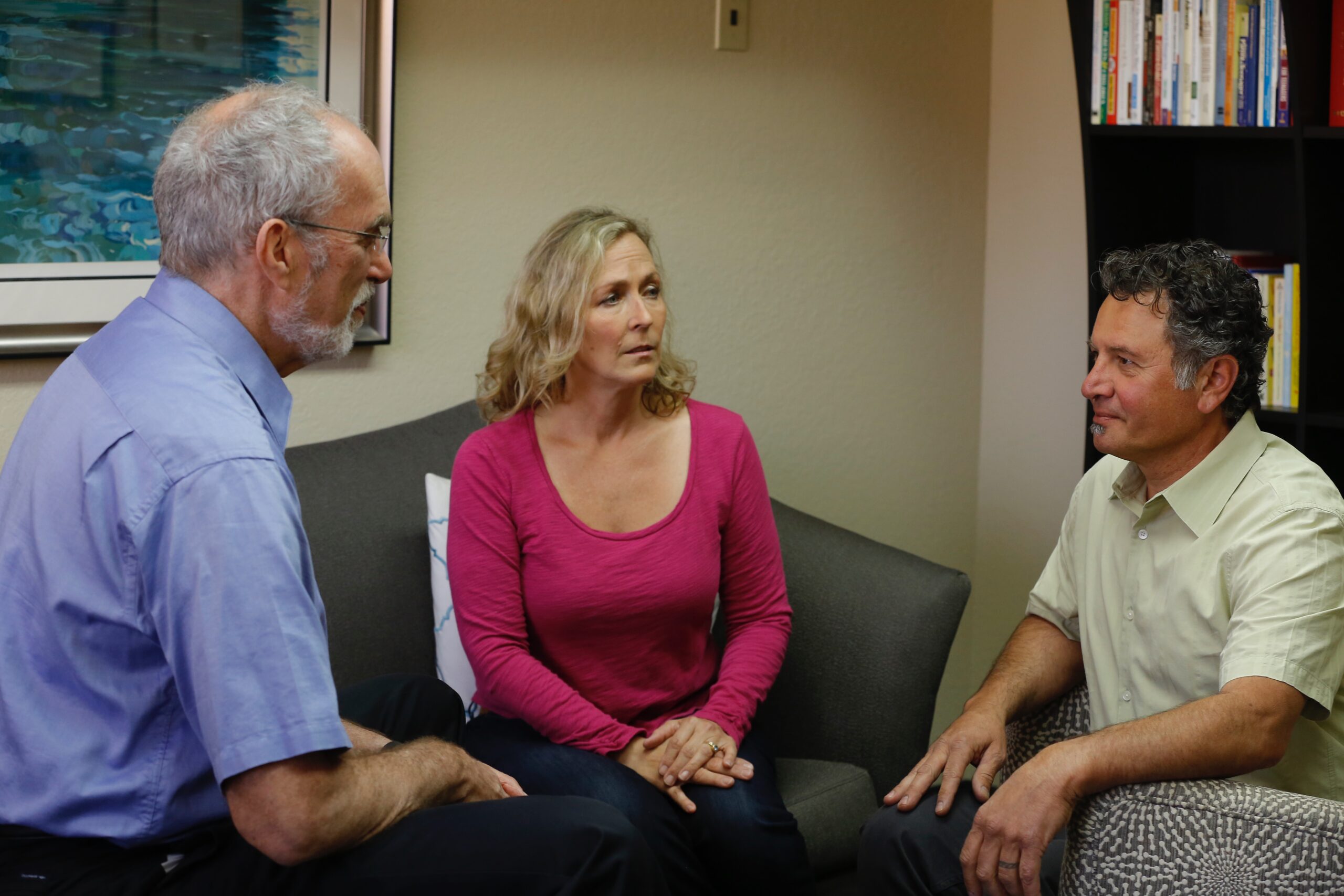
If someone you love is facing postpartum depression, the comfort you provide can make a huge difference. Research indicates that low partner support and partner tension exacerbate perinatal depression and anxiety. It’s the quality of your relationship with your partner that counts. Being candid about what treatment might look like gets both of you feeling heard. You may discuss what feels secure, what could be supportive, and what actions are manageable at the moment. By making decisions together, you are both active participants in the treatment process.
Attending treatment together, when appropriate for both of you, demonstrates that you both value healing. This time together can teach you both how to communicate better, identify sources of stress, and discover individual needs. Couples therapy, group therapy, or even online support groups can be beneficial. Research shows that co-care, involving both partners, may reduce the severity of perinatal depression and anxiety symptoms.
Below are several treatment choices with their benefits:
Treatment Type | What It Involves | Main Benefits |
Talk Therapy | One-on-one or couples counseling | Builds trust, improves communication |
Medication | Antidepressants or mood stabilizers | Helps manage symptoms, often with therapy |
Group Therapy | Sessions with others in similar situations | Increases support, reduces isolation |
Online Support | Virtual groups, forums, telehealth | Flexible, private, easy to access |
Self-care Routines | Sleep, exercise, balanced meals | Supports mood, gives structure |
Recovery is rarely a linear path. You may find days that are better than others. We need to take care of each other through the highs and the lows. Some days require patience, others a new approach. You should be aware that social support from friends and the community will aid you. If you sense persistent friction, distrust, or even violence, listen to them. Both of these things damage mental health and impede healing.
Addressing Cultural and Personal Biases
To support ladies with postpartum mood disorders, it is essential to recognize how cultural and individual biases impact the definition of assistance. Most of us experience postpartum anxiety or depression, but these conditions vary greatly by background. Research shows that it impacts more than 40% of Black and Hispanic women and around 31% of White women. This illustrates why it’s crucial to consider culture, not simply the symptoms of mental health disorders. If you want to be useful, first examine how your personal and cultural biases color your perspective on perinatal mental health disorders and care.
- Psychological well-being is stigmatized or considered a weakness in certain cultures. In others, seeking assistance might be perceived as a hit to pride. Certain families might have new moms tough it out instead of getting treatment.
- Certain cultures are very family-oriented and would want to deal with things within the family. Others would be more willing to trust external assistance. Stigma about mental health is strong in many cultures, and it prevents people from seeking help or receiving proper treatment.
- Gender roles can be an issue, too. In certain cultures, women are raised to prioritize family and mask their own suffering. This makes it difficult for them to discuss depression.
Spend some time learning about these differences so you can better comprehend what your partner may be experiencing during the postpartum period. It’s useful to read about postpartum depression cross-culturally, have candid conversations about how you both view mental health, and be inquisitive rather than critical. Recall that your own cultural and personal biases may lead you to believe that someone is simply “lazy” or “not trying hard enough” when they are, in fact, grappling with something genuine like postpartum psychosis. Don’t let these notions guide your behavior.
Participating in support groups, particularly those that include members from diverse backgrounds, is another effective method to dismantle bias. These groups allow you to listen to a variety of experiences and discover what works in various instances. Group care has been shown to assuage feelings of isolation and empower postpartum women, particularly in resource-constrained settings.
The Partner’s Mental Health
Partners have their own mental health hurdles to navigate in the postpartum period, which can include conditions like postpartum anxiety and even paternal postpartum depression. The tension of new roles, sleep deprivation, and additional tasks can leave you feeling exhausted. You might feel stress to keep it together for the family. This is typical, yet if you find yourself lost or depressed for multiple weeks, you should seek assistance from a mental health professional. Research shows that partners’ mental health is just as important as a new mom’s. Bad mental health can impact the way you show up for your partner and child.
Relationship stress is prevalent as well. Stress, mistrust, or even partner cheating can decrease your feelings of security and value. Intimate partner violence is a grave risk, and studies associate it with elevated rates of postpartum mood disorders among mothers. When the relationship is stressed, both partners may be suffering. You may experience more arguments, less intimacy, or feel like you’re growing apart. These issues can compound the burden you already bear as a new parent, especially during the perinatal period.
Focus on your own well-being. Open and honest talks with your partner help both of you identify what you need. Talk about how you feel, even if it’s painful. You might be concerned that acting stressed will increase your partner’s load. Bottling things up can let stress build. Good communication makes you both feel listened to and less isolated. It helps establish trust, which reduces the potential for tension or miscommunication.
Self-care is not selfish; it’s essential for supporting your partner better. Easy activities such as going for a walk, reading, or connecting with friends can help you recharge. Attempt to maintain hobbies, even if only for a limited period weekly. Exercise clears your mind and improves your mood. If you find yourself bogged down, seek help from a counselor or support group. This can provide you with tools to weather the stress and remain stable for your family. Reciprocal support, where you both nurture each other’s needs, reduces the risk of mental health issues for both of you.
Building a Broader Support System
Having a robust support system extends beyond just you and your significant other. Supporting a mom with postpartum mood disorders is about involving others who can assist her. She doesn’t have to battle this on her own. Many moms report needing help with household chores and baby care. Family and friends can step in to assist with chores, meals, or babysitting for a brief period. When more people share the burden, Mom has more room to recover. Nurses and childbirth educators can demonstrate ways to help. They could offer advice on habits or recommend resources such as community services. In many countries, home visits by nurses or other healthcare providers are routine after birth. These visits provide moms with an opportunity to ask questions and receive support right at home. For example, research reveals that 41% of new mothers speak to a nurse or doula in the first week, and this connection helps them feel less adrift.
Parenting groups and community resources are another means of constructing a robust support system. These groups allow parents to discuss their experiences, exchange tips, or simply listen to one another. If there are groups available in your area at a local health center, community hall, or online, have your partner join. These communities frequently share practical advice, such as tips to help an infant sleep or coping strategies for perinatal anxiety. For many, reading about others who have faced the same challenges fosters a sense of connection.
Mental health professionals should be included in any broad system of support. PPD is a diagnosis, not a mood. A doctor, nurse, or counselor can assist you both in recognizing indicators of depression and securing appropriate treatment. In certain parts, nurses or counselors come home to see both mom and baby shortly after birth. This can simplify getting assistance, particularly when travel is difficult.
New parents are lonely. Creating connections with others in similar circumstances can assist. Introducing her to other parents, in person or online, provides your partner with a broader support network, a place to discuss her concerns and celebrations. A lot of moms call healthcare workers because they are overwhelmed with a new baby. Group chats, social networks, or neighborhood meetups can help fill this gap, even if family is a thousand miles away.
Conclusion
You are a crucial part in assisting your partner navigate postpartum depression. Little things like listening, taking on chores, or simply being near can alleviate some of the heaviness she experiences. Candid conversations with your doctor or counselor can break through the fog and provide both of you with tangible directions to move forward. No family is an island. Friends, groups, and care teams can all help. Cultures and old habits may affect how you both view this, but compassion and faith can tear down old barriers. Your sanity counts as well. Keep an open eye, get assistance when you need it, and maintain the emphasis on straightforward things that make each day easier. Reach out, ask questions, and let support grow step by step.
Frequently Asked Questions
How can you tell the difference between postpartum depression and baby blues?
Baby blues are mild and last a few days to two weeks, but postpartum mood disorders like PPD are worse, lasting longer and significantly impacting a new mom’s everyday life. If symptoms of anxiety or hopelessness persist after two weeks, seek help from a mental health professional.
What are the most effective ways you can support your partner with postpartum depression?
Just listen without judgment, provide practical assistance, encourage rest, and help your partner find professional care for postpartum anxiety. Your support is crucial for her recovery.
Should you attend therapy sessions with your partner?
Attending sessions together can enhance communication and demonstrate partner support, aiding your understanding of postpartum mood disorders and teaching you how to assist your partner.
How can you address cultural or personal biases about mental health?
Learn about postpartum mood disorders, and honor your partner’s emotions without belittling them. Encourage candid conversations about perinatal mental health.
Why is your own mental health important when supporting a partner with PPD?
Supporting someone with postpartum depression (PPD) can be trying; however, prioritizing your own mental health is crucial for providing the necessary partner support during this challenging time.
How can you help build a strong support system for your partner?
Engage family, reach out to support groups, and consult healthcare providers. A robust support system offers both emotional and practical assistance for postpartum mood disorders.
When should you seek professional help for postpartum depression?
If your partner experiences any persistent sadness, disinterest, or thoughts of self-harm, especially related to postpartum mood disorders, get help from a mental health professional right away.
Reclaim Your Strength and Emotional Balance With Support for Postpartum & Women’s Mental Health
Blue Sky Psychiatry supports women who feel overwhelmed, anxious, emotionally drained, or unlike themselves during pregnancy, postpartum, or other major life transitions. Hormonal shifts, sleep disruption, identity changes, and the constant demands of caregiving can quietly build into anxiety, depression, irritability, or deep exhaustion. You might look like you’re holding it together on the outside while feeling stretched thin inside. Treatment creates space to understand what’s happening beneath the surface and helps daily life feel steadier and more manageable again.
Dr. Mindy Werner-Crohn and Shira Crohn, PA-C, offer compassionate, personalized care focused on real, sustainable improvement. Your treatment plan reflects how postpartum challenges or broader women’s mental health concerns show up in your mood, relationships, work, and sense of self. Sessions are thoughtful and structured, helping you stabilize emotions, improve sleep, rebuild resilience, and feel more grounded in your body and mind.
You don’t have to push through constant overwhelm or dismiss what you’re feeling as something you should just handle. If postpartum depression, anxiety, mood shifts, or ongoing women’s mental health concerns are affecting your well-being, Blue Sky Psychiatry is here to help. Reach out today to learn more about postpartum and women’s mental health treatment and begin feeling more like yourself again.
Disclaimer
This article is for informational purposes only and is not medical advice. Postpartum depression, baby blues, and other mood changes after childbirth can affect anyone — mothers, fathers, or partners. Symptoms may vary, so professional evaluation is important. If you are struggling with persistent sadness, anxiety, difficulty bonding, or thoughts of harming yourself or your child, seek help immediately from a qualified healthcare provider, such as a postpartum depression psychiatrist in California or your local area. In a crisis, contact emergency services or a crisis hotline. Early support can make a real difference for you and your family.


