
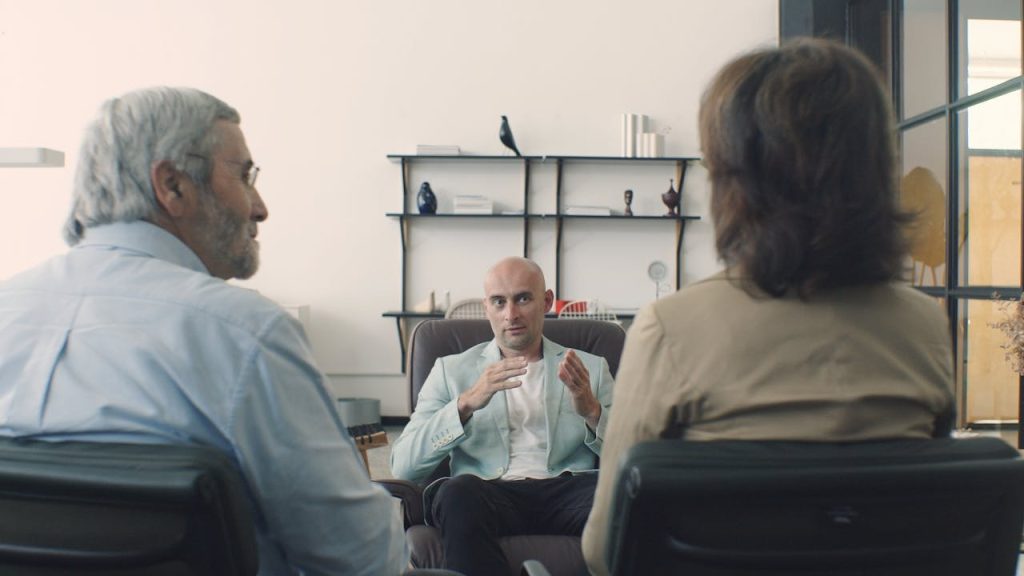
About: modern psychiatry: where new science and compassion converge in southern california. Clinics and hospitals here employ brain scans, digital records, and genetic tests to tailor therapy and medicines, so every patient receives a personalized course. Most teams have doctors, nurses, and social workers who listen and assist with dignity. Mental health care is expanding, with additional facilities in urban areas and rural regions alike. Access to assistance for stress, mood, or trauma is more accessible than ever. In this post, it’s all about new ideas and old values in Southern California. The second half will demonstrate what this means for patients, families, and the field at large.
Key Takeaways
- Southern California’s one-of-a-kind mix of sunshine, extreme multiculturalism, and excessive ambition provokes specific psychological stresses. This makes flexible, context-aware psychiatry essential.
- Neuro-informed therapies, digital therapeutics, and personalized pharmacogenomics are reshaping psychiatric care with precise, data-driven, patient-specific innovations for a diverse demographic.
- Integrative and holistic approaches to mental wellness are receiving increasing attention from lifestyle psychiatry to nutritional and mind-body interventions.
- Compassion and cultural sensitivity are cornerstones of modern psychiatric care. They build trust, destigmatize, and support improved outcomes among patients of diverse cultures and experiences.
- Systemic obstacles like insurance restrictions, access inequities, and clinician burnout continue to be significant challenges to effective mental health care. These issues underscore the importance of continued advocacy, policy change, and support for mental health providers.
- The future of psychiatry in SoCal and beyond will be one that marries science with digital innovation and compassionate, culturally competent care so that every community gets the care it needs.
The Southern California Paradox
Southern California mixes endless sunshine, cosmopolitan life, and a thriving tech scene. Yet the area confronts profound mental health issues, serving as its own paradox. The scenery is sun-drenched and expansive, yet so many grapple with tension, uncertainty, and shame. We think that some understanding of how local weather, culture, and science shape psychiatry here can provide lessons for global readers.
Sunshine And Stress
We live where the sun shines most days,s and folks feel pressure to appear happy and maintain a perfect image. This pursuit of flawlessness can obfuscate underlying anxiety and depression, particularly among millennials and young professionals. Work stress, social media, and high living costs compound the pressure. It’s tempting to assume sunlight should improve all spirits, but the truth is subtler.
Sure, we have long days and mild winters. Some of us aren’t immune to symptoms associated with seasonal affective disorder. Sunny skies don’t necessarily protect from moodiness. For others, the incongruity between the sunny climate and their own disposition can actually exacerbate the situation.
Mental health stigma still runs deep in regions that value optimism. Confessing to sadness or stress can feel countercultural. People may conceal symptoms or not access assistance, which can impede healing.
Common coping strategies:
- Outdoor workouts are modified to local parks and beaches.
- Mindfulness and meditation.
- Peer support groups and digital mental health platforms.
- Convenient appointment times, including telehealth.
Cultural Diversity
Southern California’s population combines backgrounds from Asia, Latin America, Africa, and Europe. Every culture has its own perspective on mental health, influencing the way they discuss and addresses such matters. Certain communities embrace therapy, while others first look to familial customs or spiritual care.
Providers have to provide culturally competent care. That’s knowing the cultures, idioms, and faiths of each audience. It enhances confidence and outcomes. For instance, providing bilingual services or involving community leaders can remove boundaries.
Cultural beliefs shape how people judge symptoms and choose treatments. Some may favor herbal remedies or group support over medication. Others might avoid formal care due to privacy worries or fear of stigma.
- Counselors speaking several different languages are available at the Asian Pacific Counseling and Treatment Centers for immigrants.
- Local congregations will hold mental health workshops connected to cultural events.
- Neighborhood health fairs hosted by non-profits offer free depression screenings in various languages.
Innovation Hub
Some of the newest advances in psychiatric research are emerging from Southern California laboratories. Universities such as UCLA and UC San Diego spearhead research in areas such as neurobiology, genetics, and digital health. Their research goes a long way toward informing new therapies for depression, bipolar disorder, and PTSD.
Clinics there now utilize real-time brain imaging and AI-guided analysis to inform treatment. These tools allow physicians to select the optimal therapy more quickly, making treatment more individualized and specific.
Tech firms partner with hospitals to create mental health apps, virtual therapy, and remote monitoring. These collaborations allow more people to receive assistance beyond the clinic, using their phone or computer. The region’s start-up spirit continues to drive freshness, constantly seeking new ways to mix science and care, defining the pace for the rest of the world.
Pioneering Modern Psychiatry
Modern psychiatry has come a long way from its beginnings, informed now by science, by data, and a continued emphasis on whole-person health. Nowadays, this infusion of neuroscience, genetics, and psychological insight emphasizes the lived experience of the patient as much as the clinical symptoms. Jaspers and Kraepelin are still foundational figures in the field, with Jaspers’ focus on understanding, or Verstehen, and Kraepelin’s classification backing contemporary approaches to diagnosis. Their legacy is reflected in the sophisticated, multi-dimensional care paradigms in vogue at top research hospitals and clinical centers.
Neuro-Informed Therapies
A profound understanding of neurobiology was becoming essential to constructing modern psychiatry. Treatments now aim at specific brain circuits rather than just symptoms. Interventions like neurofeedback leverage real-time brain activity to train patients on new strategies for regulating mood and behavior. Neuroscience research informs these treatments, allowing them to be customized for disorders such as schizophrenia, which is still the heart of psychiatric practice. By personalizing interventions based on brain imaging and neurobiological data, clinicians can design plans that map most closely to each person’s needs, making outcomes more predictable and positive.
Psychedelic-Assisted Care
These days, there’s a resurgence of interest in psychedelics for patients with severe mood disorders resistant to conventional drugs. Ketamine, for instance, has displayed significant improvements in treatment-resistant depression. Clinical trials are still exploring the extent to which substances like psilocybin can assist by altering neural pathways associated with mood and cognition. These treatments bring up ethical concerns around consent, safety, and long-term risk. Research continues to refine both the science and the protocols that guide their application.
Digital Therapeutics
Digital therapeutics employ apps and web-based tools to provide psychiatric treatment, widening their availability. Teletherapy platforms link patients and clinicians remotely, eliminating friction to access. Most evidence-based programs provide structured interventions for anxiety or depression and include real-time data for tracking progress. Mobile apps now assist users in tracking symptoms, maintaining habits, and receiving immediate feedback, enabling care beyond the clinic walls.
Personalized Pharmacogenomics
Pharmacogenomics selects safer, more effective medications based on genetic information. Understanding how a patient’s genetics influence drug metabolism can reduce side effects and increase response rates. This has resulted in less trial and error and superior long-term outcomes, particularly for complicated drug interactions or co-morbidity cases. Case studies follow, revealing how targeted drug regimens based on genetic testing have brought patients to stable recovery.
Integrative Modalities
Today’s treatment mixes old-fashioned coaching with lifestyle intervention, nutrition, and mindfulness. Mixing talk therapy with exercise, meditation, or even alternative treatments yields more robust, sustainable effects. Mindfulness is now a common tool for managing stress and building resilience. By interlacing these strategies, treatment regimens span a variety of mental health angles, addressing patients’ needs from various origins and ethnicities.
The Compassion Component
Compassion in psychiatry is a bit more than kindness. It’s a mindful, considered manner of hearing and addressing patients. It establishes trust, encourages patients to be more open, and engages them in their own care. Compassion matters in patient engagement when patients feel heard; they stick with their treatment and experience improved outcomes. Empathy training is now an integral aspect of psychiatric training across Southern California. Courses instruct clinicians on how to read nonverbal signals, open their posture, and speak with warmth and respect. They utilize role-play, feedback, and reflective listening exercises to develop genuine empathic abilities, not merely superficial etiquette.
Compassion component makes a difference. Research indicates that when patients feel supported by their doctor, symptoms tend to subside more quickly, and they’re less likely to fall away from care. Compassion reduces stigma as well. By treating patients like humans, not conditions, doctors foster candid conversation around mental wellness. That destigmatizes shame and gets more people to seek care fearlessly.
Trauma-Informed Models
Trauma-informed care consists of tools that consider patient behavior and symptoms as coping mechanisms to adverse experiences. It centers on safety, trust, choice, collaboration, and empowerment. This model is crucial in psychiatry as trauma is associated with nearly every psychiatric diagnosis.
Trauma history informs treatment. Clinicians circumvent re-traumatizing by inquiring about history tactfully. Safe spaces via privacy, predictable schedules, and transparent communication provide patients with a feeling of control. Trauma-informed practice includes regular staff training, transparent consent practices, and patient feedback mechanisms. Staff meetings may have case reviews that check for trauma triggers. Clinics might implement calming design elements such as soft lighting or private waiting rooms.
Culturally-Sensitive Practice
Culturally-sensitive care means acknowledging and honoring differences in values, beliefs, and traditions. It is important in diverse communities like Southern California, where several different languages and cultures influence mental health narratives.
Clinicians with cultural competence develop stronger connections to patients. They eschew presumptions and customize care to cultural milieus. Training teaches skills such as working with interpreters, understanding cultural health beliefs, and reflecting on personal biases.
Case studies demonstrate improved engagement when care is culturally adapted. One clinic saw better attendance after bringing on multilingual and culturally humble staff. This resulted in more accurate diagnoses and better patient satisfaction.
Community-Based Support
Community resources are vital for continuing mental health care. Helplines, workshops, and drop-in centers let them get help outside of clinics. A few SoCal initiatives rely on mobile crisis teams and school partnerships to disseminate mental health expertise.
Peer support networks, where those with lived experience support others, aid recovery. These groups provide genuine insight and optimism. Public talks or support groups, along with community engagement, can reduce fears about getting help. These efforts overcome obstacles such as expense, intimidation, or suspicion.

Beyond The Prescription Pad
Contemporary Southern California psychiatry is going beyond the cookie-cutter mold. Science and compassion now shape care that looks at the whole person, not just symptoms. Drugs themselves frequently don’t do the trick. Beyond the prescription pad, holistic care, blending lifestyle, education, and alternative therapies, helps people manage mental health with more than just pills.
Lifestyle Psychiatry
Lifestyle psychiatry researches how everyday habits influence mental health. This emerging science examines how what we do, where we live, and who we’re with can transform our mood and mind. Working out, in other words, is one secret. Just a bit more movement helps your brain release mood-lifting, stress-lowering chemicals. Sleep is another. Refreshing allows the mind to recharge, making it easier to face difficult days. Nutrition contributes—what we consume nourishes the mind in addition to the body.
A few clinics in Southern California have arranged walking groups or healthy cooking classes. Patients in these programs tend to have fewer symptoms and a better quality of life. Health teams now coach individuals on small modifications, such as incorporating a daily walk or reducing sugar intake. They understand that advising patients in these steps can have a permanent impact.
Nutritional Psychiatry
What we eat forms how we feel. Nutritional psychiatry explores the connection between food and the brain. When populations consume meals packed full of fruits, vegetables, whole grains, and healthy fats, their susceptibility to mood shifts and depression plummets. Omega-3 fatty acids, present in fish and seeds, enhance brain cell efficiency. B vitamins, iron, and zinc keep nerves and energy robust.
Other research indicates that those on a Mediterranean diet experience mood boosts and less inflammation-related symptoms of depression. Implementing more plant-based foods or reducing processed meals has been a saving grace for many anxious individuals.
- Diet can change brain chemistry and support stable moods.
- Nutrients such as omega-3s, B vitamins, and zinc are crucial for cognitive wellness.
- Eliminating processed foods and sugar reduces mood swings and stress.
- Balanced diets like the Mediterranean diet enhance mental well-being.
Navigating Systemic Hurdles
Systemic obstacles in contemporary psychiatry prevent individuals from receiving equitable, excellent mental health treatment. These obstacles range from insurance regulations and coverage voids to established access challenges for certain populations. Too many continue to have difficulty accessing assistance, even as science and compassion seek to bridge the divide in Southern California and beyond.
Systemic Barrier | Impact on Care | Potential Solutions |
Insurance Restrictions | Delayed/denied care | Policy reform, advocacy, streamlined claims |
Workforce Shortages | Long wait times | Training, incentives, telehealth |
Stigma | Low help-seeking | Education, public awareness |
Geographic Inequity | Poor rural access | Mobile clinics, telemedicine |
Insurance Barriers
Insurance issues manifest themselves in various forms. A few plans impose hard caps on how many therapy sessions or treatment types you get. Covering the out-of-pocket expenses makes it difficult for most to maintain long-term care. These prior authorization rules frequently slow down or outright deny rapid access to essential services, leaving patients scrambling to adhere to their care plans.
Insurance Obstacle | Impact on Adherence |
Limited Session Coverage | Early dropout, incomplete treatment |
High Co-pays | Missed appointments, financial stress |
Prior Authorization | Treatment gaps, patient frustration |
Out-of-Network Penalties | Fewer provider options, less choice |
Advocacy groups help to alter these roadblocks. They advocate for improved legislation, raise awareness, and assist patients in combating unjust rejection. Their efforts result in more individuals receiving the care they require and contribute to a fairer system overall.
Access Disparities
The populations most impacted by these divides typically are low-income households, immigrant communities, and rural residents. Worse still, cultural stigma and language barriers keep many from even seeking assistance. Clinic and nonprofit outreach programs deliver care to these populations. They provide free screenings, support groups, and peer counseling at schools, faith centers, and community events.
Others are leveraging telehealth to engage with patients who can’t travel or live too far away from mental health clinics. Video calls and phone check-ins tear down those barriers, enabling more people to access support regardless of their location. These incremental moves get it done and make care better for everyone.
Clinician Burnout
Mental health workers are hit with burnout from heavy caseloads, paperwork, and emotional strain. This results in errors, truncated visits, and reduced compassion that can damage patient confidence and impede advancement.
Easy things like duty sharing, peer support groups, and frequent training come to mind. Clinics that carve out time for self-care and establish unambiguous boundaries experience reduced burnout. The amount of support you receive from coworkers and leaders is what counts. When clinicians feel appreciated, they can deliver higher-quality care and have greater longevity in the profession.
Conclusion
Modern psychiatry in Southern California, where science and care find each other. Clinics deploy brain scans, data tools, and talk therapy. They don’t just give people pills in our profession. They inquire matter-of-factly and offer consistent encouragement. Physicians and nurses discover fresh approaches to healing, despite ancient constraints in the machine. Many clinics collaborate with community groups, so more individuals receive care. Every step in this world seems brave and honest. The work here demonstrates that little changes can go a long way. If you want to learn more or help shape the future, catch the latest studies or chime in at local centers. The next step begins with you.
Frequently Asked Questions
1. What Makes Southern California Unique In Modern Psychiatry?
Southern California brings together cutting-edge research, diverse communities, and abundant mental health resources. This spells a distinctive milieu for pioneering mental health care and integrative treatment methods.
2. How Does Science Improve Psychiatric Care In Southern California?
Science informs evidence-based treatments and the application of new technologies. This results in enhanced diagnosis, customized treatment, and improved mental health results for patients.
3. Why Is Compassion Important In Psychiatry?
Compassion creates that trust, that connection, between patients and providers. This supports patients, destigmatizes, and promotes sustained recovery and wellness.
4. What Does “Beyond The Prescription Pad” Mean In Psychiatry?
It means providing more than medication. That’s everything from therapy to lifestyle changes to social support, which is whole-person care for mental wellness.
5. What Are The Main Challenges Facing Psychiatry In Southern California?
Main challenges: access to care, cultural issues, and resources. Dealing with such things makes care better for all.
6. How Is The Future Of Mental Wellness Shaping Up In Southern California?
The future is about bringing together science and technology with compassion. All of this is intended to promote early intervention, individualized care, and destigmatization across cultures.
7. Where Can Someone Find Mental Health Help In Southern California?
A variety of mental health services are available from numerous clinics, hospitals, and community organizations. Online platforms and hotlines offer assistance, so help is accessible to everyone who requires it.
Start Feeling Like Yourself Again With Personalized Psychiatric Care In Los Angeles
At Blue Sky Psychiatry, we understand that seeking help for your mental health takes courage—and that finding the right balance of care and medication can make all the difference in your quality of life. Our Los Angeles team, led by Dr. Mindy Werner-Crohn and Shira Crohn, PA-C, provides compassionate, evidence-based psychiatric care tailored to your unique needs. Whether you’re navigating anxiety, depression, ADHD, mood disorders, or adjusting your current medication plan, we take the time to truly understand your story and create a treatment approach that fits your goals, lifestyle, and comfort level.
If you’ve been feeling uncertain about your current care or you’re ready to explore your options with a trusted psychiatric provider, we invite you to reach out today. Our Los Angeles office offers both in-person and secure telehealth appointments—making it easier than ever to get the expert support you deserve. Take the first step toward clarity and stability. Contact Blue Sky Psychiatry today to schedule your consultation and discover how personalized medication management can help you feel more grounded, confident, and in control of your mental well-being.


