


At Blue Sky Psychiatry, patient confidentiality is at the heart of every session. Telepsychiatry privacy and security refers to protecting patient information during virtual therapy. Patients should anticipate platforms employing encrypted video calls, robust passwords, and rigorous measures to protect patient records. Clinics and doctors have specific regulations to abide by regarding who is allowed to view or provide patient information, generally dependent on international privacy regulations. Things as basic as updating apps and using secure internet links reduce vulnerabilities. Patients should have a way to ask questions or report problems if they’re concerned about privacy. Being aware of these general facts helps patients feel comfortable opening up to their care team. The main body will detail these steps and demonstrate what safety checks weigh most heavily for virtual mental health care.
Key Takeaways
- Privacy is crucial in telepsychiatry because it establishes trust and encourages candid patient-provider discourse, a foundation of impactful mental health care.
- Telepsychiatry platforms should have strong protections in place, like encryption and identity verification, to prevent unauthorized access to patient information.
- Providers are required to comply with international and national privacy regulations, such as HIPAA, and must conduct regular assessments to maintain a high standard of data protection.
- Patients should know if sessions are being recorded, what rights they have to the recorded data, and should always consent before recording.
- Disclosure about third party vendors and data retention policies gives patients the information they need to make educated privacy decisions in telehealth visits.
- To bolster their own privacy, patients should employ secure networks, remain cognizant of their environment during sessions, and communicate with providers about any concerns regarding how their information is being handled.
Why Confidentiality Matters
Confidentiality is key to secure telepsychiatry mental health treatment. When folks chat with their shrink via screen, they rely on that dialogue remaining confidential. This trust isn’t just some moral rule, it’s a central part of making telepsychiatry effective.
- Allows patients to feel safe sharing thoughts, fears, or trauma.
- Cuts down anxiety about who may overhear or glimpse sensitive information.
- Stops stress and shame from breaches or leaks.
- Generates trust in both the source and the entire care apparatus.
- Supports open, honest talk needed for real progress.
- Safeguards vulnerable individuals such as children or those experiencing health-related stigma.
Privacy is essential for mental health care to be effective. If a patient doesn’t think their words are secure, they may hesitate or restrain information about symptoms, familial or previous trauma. A few have said they are concerned about data leaks or hacking. Others find it difficult to share when family or roommates are nearby. If you don’t have a private space for either the patient or the provider, it can be difficult to maintain confidential conversations. This is a genuine struggle for those that reside in cramped houses or dorms. It can be even more serious for individuals with stigma-laden concerns such as HIV or pregnancy or for teens who require additional safeguards.
A confidentiality violation is about more than privacy. It can cause emotional pain, stress, or shame. Others might even discontinue treatment if they feel exposed. The threat isn’t that a hacker is going to snag some kind of digital data. Even a brother overhearing a call can break trust. Some providers mention that it’s hard to control who can hear or see patient information when working from home or in bustling clinics.
Safe care means sides must plan ahead. Providers need robust, transparent privacy policies for telehealth calls. This includes choosing safe apps, configuring private bubbles, and being vigilant about who else could be listening. Patients deserve to know these steps and should feel comfortable asking questions about how their information is protected. When both sides collaborate, confidentiality concerns drop and care can proceed.
Your Privacy And Security Expectations
At Blue Sky Psychiatry, privacy and security are fundamental to telepsychiatry, especially considering the potential privacy concerns surrounding sensitive health information. Patients expect their information to remain private, secure, and in their control during a telemedicine visit. Providers should use best practices and adhere to rigorous security standards to safeguard each session and data.
- Your privacy and security guarantees.
- Secure log-in and multi-factor authentication.
- Regular security risk assessments of telehealth platforms
- Clear consent procedures before recording or sharing data
- Rigorous supplier oversight and adherence verifications for external services.
- Provider training on privacy standards and secure workflows
- Procedures for secure storage, transmission, and disposal of patient information.
1. Secure Data Protection
Data encryption ought to be mandatory for telepsychiatry consultations, as it plays a vital role in maintaining patient privacy. Providers leverage encryption tools such as TLS (Transport Layer Security) to secure every message and video stream during telemedicine visits. This means that even if someone manages to intercept the data, they cannot read it without the key. Encryption keeps your sensitive health information safe from hackers or leaks, making it essential to verify that your provider employs these protocols to mitigate potential privacy concerns.
Encryption protects you from more than just cybercrime, it also safeguards against technology flubs, like misdirected files or lost devices. For patients in shared homes or crowded spaces, encrypted telehealth services provide an additional layer of confidentiality, ensuring that only you and your clinician can hear what is shared.
2. Regulatory Compliance
HIPAA is the primary health data privacy legislation in the US. Telepsychiatry providers must comply with HIPAA, which governs how personal health information can be handled, stored, and shared. Most countries have something similar, such as Europe’s GDPR. Providers must adhere to particular local or national regulations, which could be more stringent.
Audits and regular checks are needed to keep up with changing threats. They make sure that all telehealth policies, from device security to staff training, adhere to legal and ethical guidelines. Compliance isn’t a checkbox, it’s what keeps patients safe and the system trustworthy.
3. Identity Verification
ID verifications prevent others from impersonating you or your healthcare professional. Telepsychiatry platforms frequently request photo ID, secure log-in, or even two-factor authentication prior to sessions. This is no mere formality. Keeping confidential conversations private prevents fraud and makes sure only the right people are in the call.
Insufficient identity verification leaves you vulnerable. If someone else can access your session or records, there goes your privacy. For minors, vulnerable populations, or those who are less tech-savvy, additional guidance and explicit instructions can assist in guaranteeing robust identity safeguarding.
4. Session Recordings
While not each session is recorded, if it is, you have a right to know. Services ought to be transparent about if, why, and how they record sessions. You have the right to consent or refuse. If a session is captured, there must be rigid policies around who can view it, how long it is retained, and when it is purged. Done poorly, recordings can lead to breaches, so transparent policies are essential.
Patients need access to their own records and the ability to request deletion. Special attention is required for individuals in communal areas, where recordings could introduce additional privacy issues.
5. Third-Party Vendors
Telepsychiatry often depends on third party vendors such as software, cloud storage, or translation. Every vendor has to comply with the same privacy terms as your primary provider. Tell your provider who else might be seeing your data and how they secure it.
Third party risk is real. Flimsy protections or thoughtless partners can leave your information open. Complete transparency, frequent vendor audits, and well-defined contracts assist in mitigating these risks. At-risk categories might require additional assistance in processing or controlling their data portability.

The Human Element Online
Telehealth psychiatry attempts to reduce the gap between digital convenience and human warmth. With platforms that emphasize economy, the real trick is to keep it human, interesting, and emotionally secure. Telepsychiatry sessions online are able to link folks in underserved communities, such as those in rural areas or the LGBTQ community, with empowering care they might not access where they live. The absence of physical space and subtle cues transforms the therapeutic relationship, demanding additional care to digital rapport, sensory input, and emotional safety in patient care.
Digital Rapport
Regular online sessions can foster trust over time despite the virtual format. Video calls allow both therapist and patient to see each other’s faces, which adds to the feeling of connection. I find that the coziness of your own couch makes people a little more vulnerable, which is actually great when discussing hard issues. Familiarity over time with that one psychiatrist, seeing their face, hearing their voice, and using the same online meeting link helps build a ritual. This ritual can be centered.
Open conversation is critical. Some might find it more natural to open up in an online environment. Others may miss the sensation of sitting in a room dedicated exclusively to therapy, a place that says “this is your time.” Online therapy can be equally successful for specific demographics or problems, particularly if both individuals strive to maintain the dialogue sincere and concentrated.
Sensory Input
To be online is to forego some of the nonverbal cues, how a person moves, and body language. The tone of voice gets lost in bad audio. This makes it more difficult for the psychiatrist to notice subtle shifts in mood or stress. The office itself, for others, is soothing, a refuge from everyday pressure. At home online, the kitchen may be clattering or the children screaming.
Adapting is utilizing what exists. Patients can set up a calm, private room for appointments and utilize high quality cameras and microphones to assist in closing the divide. Yet the smell will never match face-to-face. For those that can’t travel or live far from care, these shifts are a welcome one.
Emotional Safety
That feeling of safety is still attainable online. It requires work. Even virtually, good therapists establish boundaries and rituals to signify the beginning and end of each session. This makes patients feel safe and appreciated. Delicate matters become more accessible with a patient who believes their confidentiality is protected and who senses their voice is not lost.
The convenience of online therapy makes people feel less stressed about either time or commuting. For others, the knowledge that they can contact their psychiatrist from anywhere provides a little extra control. While in-person and telehealth preferences are nearly evenly split, research shows online care can equal in-person outcomes, particularly for enhancing quality of life, as long as emotional support stays robust.
Navigating Practical Realities
Telehealth or in-person psychiatry? It’s about navigating the realities that frame your care, especially with the rise of telepsychiatry during the COVID-19 pandemic. Both care modalities have their demands, expenses, and eco implications, but the increasing adoption of telemedicine provides greater control in patients’ hands, allowing for more tailored patient preferences in mental health treatment.
The Digital Platform
Solid tech is the name of the game in telehealth. You need a consistent high-speed internet connection, a camera and mic equipped device, and access to a secure telehealth platform. Most systems have easy-to-use interfaces so even low-tech participants can hop into sessions. Check if your provider is on encrypted software.
Not all patients have such access. Rural areas don’t have fast internet and some people don’t have a computer or smartphone. These obstacles may still make onsite visits necessary for some, despite research finding telehealth to be just as effective for treating anxiety and depression.
Keep up with platform changes. Platforms with screen sharing or embedded chat can enhance communication. For beginners, there is help. Most platforms have tutorials or customer support.
The Insurance
Insurance Type | Covers Telehealth | Out-Of-Pocket | Notes |
Private | Yes/Varies | Varies | Check provider, session limits |
Public (Medicaid) | Yes/Varies | Low/None | Often covers basic mental health visits |
Self-pay/Other | Sometimes | Often higher | Ask about bundled session discounts |
Ensure your psychiatrist accepts insurance for telemedicine visits since plans and coverage may vary. Sorting out billing in advance of your initial appointment can prevent misunderstandings. Some telehealth platforms offer bulk session discounts for teletherapy that may be lower than the cost of single in-person appointments.
The Virtual Setting
Checklist for a productive session:
- Private, quiet room with a door
- Good lighting for video clarity
- Comfortable seating and device placement
- Headphones to block background noise
Minimize distractions by silencing phones and informing others not to disturb. Your environment should facilitate candid and transparent communication. For others, that might require seeking out space away from family or roommates. The right setting puts you in the zone and makes the most of every meeting.
Making Your Decision
Comparing telemedicine and in-person psychiatry involves considering your needs, lifestyle, and the specific type of difficulties you face. Both modalities have strengths and trade-offs, and what works for someone else may not resonate with you. Your decision begins with understanding your habits, comfort zones, and therapy objectives. If privacy is a priority, telehealth can facilitate appointments from any private location, eliminating the need to commute and reducing certain social obstacles. Conversely, if you find face-to-face interactions more grounding or require physical exams as part of your care, in-person visits might be a better fit.
Consider your learning and sharing styles as well. Some individuals are open books on a screen, while others struggle to articulate themselves without being in the same room. Your past experiences also play a significant role. For instance, if you have a history of substance abuse or self-harm, your provider may recommend in-person visits to ensure ongoing patient care that is safe and comprehensive. A lot of mental health advice emphasizes examining historical behavior and how you’ve interacted with care teams in the past, including any trust concerns or the need for close supervision when selecting a care style.
The shift to telepsychiatry over the past couple of years was rapid, with many psychiatrists forced to adapt quickly. Initially, there was uncertainty about how it would function. After conducting their sessions online for several months, most psychiatrists discovered they could assist patients effectively, and sometimes even better than before. Interviews with these psychiatric providers indicate that their confidence grew with experience, and they found innovative ways to connect with patients who might otherwise avoid treatment. This is encouraging for anyone seeking more options in their mental health journey.
If you’re uncertain about which modality suits you best, consider trying both. Schedule one telemedicine visit and one in-person appointment. Evaluate what feels easier, what helps you communicate better, and what aligns with your daily life. Your mental health is worth exploring your options, even if it requires some trial and error.
Final Remarks
Whether you choose telehealth or in-person psychiatry, both offer genuine assistance. Each has its own advantages. Blue Sky Psychiatry’s telehealth services bring expert care directly to your screen, saving time, eliminating travel, and fitting seamlessly into busy schedules. In-person visits at Blue Sky Psychiatry provide a calm, supportive environment with face-to-face care, clear communication, and focused attention from your psychiatrist.
Some people feel more open and grounded in the privacy of their home, while others find strength in visiting a dedicated therapeutic space. There’s no single answer that fits everyone. Consider your needs, your comfort, and your lifestyle. Think about what helps you feel most understood and supported.
If you’re unsure which approach is right for you, reach out to Blue Sky Psychiatry with your questions. Your preferences may evolve over time, and that’s perfectly okay. Take the step that best fits where you are today.
Frequently Asked Questions
1. What Is The Main Difference Between Telehealth And In-Person Psychiatry?
Telehealth psychiatry, which includes telepsychiatry, utilizes video or phone calls for sessions, while in-person psychiatry occurs face to face in an outpatient setting, both providing expert patient care.
2. Is The Quality Of Care The Same With Telehealth And In-Person Psychiatry?
Studies show that both telemedicine and in-person psychiatry can deliver effective treatment. The right choice depends on patient preferences, your needs, comfort, and access.
3. Who Benefits Most From Telehealth Psychiatry?
Telehealth is perfect for those with hectic schedules, limited mobility, or living in a remote location far away from clinics, offering ongoing telemedicine care and convenient access from home or another private location.
4. Are There Privacy Concerns With Telehealth Sessions?
Telehealth platforms utilize secure technology to ensure your privacy during telemedicine visits. Confirm that your provider uses an encrypted, trusted platform before starting a session.
5. Can Telehealth Psychiatrists Prescribe Medication?
Yes, licensed psychiatrists do prescribe medication via telemedicine, aside from rare instances where local laws prohibit this.
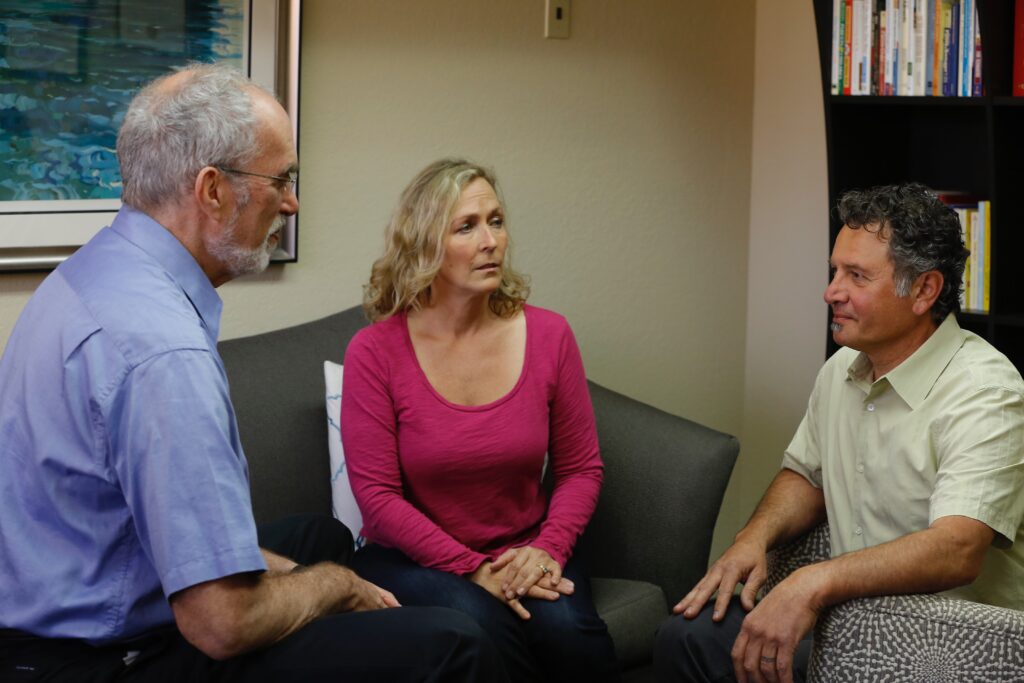
Feel Better, From Home, With Expert Telehealth Psychiatry In Berkeley
Blue Sky Psychiatry makes it easier to get the support you need through secure, high quality telehealth care. Reaching out for mental health help takes courage, and having access to a provider who listens and guides you with care can make a real difference in your daily life. Dr. Mindy Werner-Crohn and Shira Crohn, PA-C, offer expert virtual psychiatric care for anxiety, depression, ADHD, mood disorders, and medication management. They take the time to understand your experience and create a treatment plan that fits your goals and lifestyle, all through confidential video sessions.
If you feel unsure about your current care or want a more convenient way to work with a trusted psychiatric provider, we’re here to help. You can meet with our Los Angeles team from the comfort of your home, with the same level of attention and support you’d receive in person. Take the first step toward clarity and stability. Contact Blue Sky Psychiatry to schedule your telehealth consultation and see how virtual medication management can help you feel more grounded and in control of your mental well being.


