


Telehealth and in-person psychiatry provide different means to receive mental health care, and the best option is the one most tailored to your individual needs and comfort. Blue Sky Psychiatry offers both options so you can access support in the way that feels best for you. Telehealth allows individuals to consult with psychiatrists through video calls or phone, which can be more convenient and accessible for those living in remote areas. In-person psychiatry offers direct, face-to-face talks and can assist with complicated requirements or when a hands-on check is essential. For some, privacy at home is important, while for others a clinic can feel more comfortable. Both provide effective assistance, though factors such as availability, technical proficiency, and monitoring requirements determine suitability. To assist you in considering these choices, the following sections detail the advantages and disadvantages.
Key Takeaways
- Telehealth psychiatry provides a level of convenience, accessibility, and privacy that is simply unmatched, making mental health care more accessible than ever for people in remote areas or those with limited mobility.
- In-person psychiatry offers a focused therapeutic environment and facilitates enhanced nonverbal cues, potentially enriching the therapeutic rapport and insight.
- Both telehealth and in-person care facilitate regular, ongoing interactions with psychiatrists. Each comes with distinct logistical challenges, such as technology setups for telehealth and travel or scheduling hurdles for in-person visits.
- Telehealth can be more cost-efficient because of lower overhead and travel costs. Insurance coverage and payment processes should be verified beforehand for both.
- Quality of care, patient satisfaction, and therapeutic outcomes depend on personal preferences, rapport-building abilities, and the appropriateness of the therapy environment.
- Blue Sky Psychiatry encourages you to introspect, try both models if possible, and decide what best supports your mental health objectives and lifestyle.
The Telehealth Experience
Telehealth psychiatry transforms the way individuals access mental health care, increasing convenience and frequently enhancing feasibility for our modern, hectic lives. Through technology, telehealth bridges the gap between patients and licensed professionals, eliminating the need for waiting rooms. Recent research demonstrates that telemedicine visits can offer equivalent efficacy to in-person therapy for the majority of patients, especially those with limited access to outpatient settings.
1. Unmatched Convenience
Telehealth allows you to schedule telemedicine visits at convenient times around your work, school, or family commitments. You don’t have to waste time driving or sitting in a waiting room. All of the telehealth platforms are easy to use on a phone or computer, so you can check in with your psychiatrist from your home, office, or even while traveling. This flexibility ensures that you can stay consistent with therapy without losing valuable time during your day. It is particularly convenient for those with hectic schedules or those who prefer virtual therapy without stepping out.
2. Greater Accessibility
For a lot of people, mental health services have been geographically limited either where they live or where they can go. Telemedicine tears down these walls, accessing populations in rural or underserved regions. For patients with mobility issues or who are dependent on caregivers, they can finally receive ongoing telemedicine care without having to leave the house. Telehealth provides access to a greater variety of specialists, enabling you to locate the right fit even if they are distant. Access a whole additional level with online support groups for very specific needs.
3. Improved Confidentiality
Private telehealth platforms secure your information with rigorous security measures. Many people are more willing to open up during telemedicine visits when they’re in their own environment, without the concern of being overheard or face-stigmatized at a clinic. The virtual therapy format facilitates conversation about difficult subjects and guarantees that information remains private, fostering a stronger connection with their counselor.
4. Consistent Care
Telehealth facilitates continuity of care between patient and psychiatrist through ongoing telemedicine care with frequent virtual check-ins. This consistent connection aids in monitoring progress and tweaking treatments. Much like the rest of health care, many psychiatrists say hybrid care, mixing in-person and telepsychiatry visits, lets most patients stay engaged and see good results, enhancing overall telemedicine use.
5. Cost Efficiency
Telehealth can save money by eliminating travel and minimizing time missed from work or school, making telemedicine visits more appealing. Some even have low fees compared to an in-person visit. Insurance is increasingly covering telehealth services, bringing mental health care within reach and rendering it accessible to more individuals, particularly those with limited means.
The In-Person Connection
In-person psychiatry remains the bedrock of mental healthcare, as it fosters a robust therapeutic relationship in a shared space that transcends screens. This connection is especially important for patients needing candid discussions. Telemedicine is now more prevalent than ever, particularly post-pandemic, allowing patients to engage in ongoing telemedicine care. Both clinicians and patients acknowledge the unique benefits of a classic in-office visit alongside the convenience of telepsychiatry, enhancing overall patient care.
Therapeutic Space
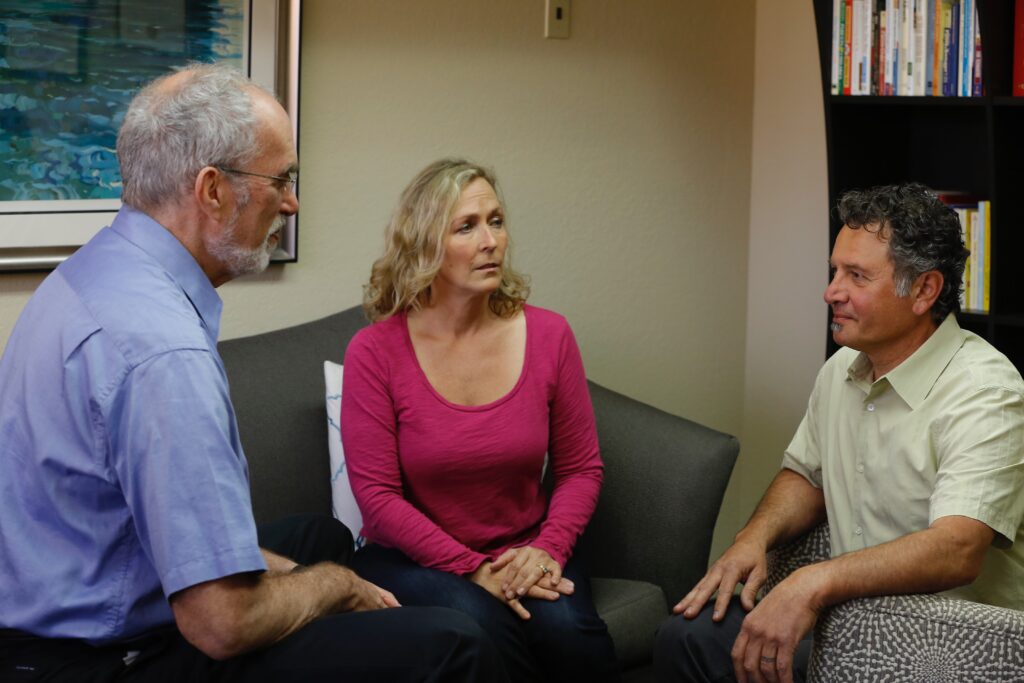
A clinic is something more than a room, it represents an essential on-site mental health workplace designed to foster security, serenity, and concentration. In this environment, a psychiatrist provides invaluable support that is often difficult to replicate through telemedicine platforms. Many patients find that they can be more open when removed from everyday distractions and in a space dedicated to healing, which can enhance their overall telemedicine use. The structure and ritual of attending a clinic also play a vital role in maintaining ongoing telemedicine care, especially for those facing severe mental health issues, as studies indicate they often achieve superior results. The loss of access to this supportive environment during the pandemic serves as a critical reminder of the importance of the mental health journey.
Non-Verbal Cues
Seeing your psychiatrist face-to-face allows you to notice subtle cues such as body language, facial expressions, and shifts in posture, which are essential in telepsychiatry. These cues aid both you and your doctor in getting a better read on one another. A nod, a pause, or a look of concern can communicate a great deal even when nothing is said. Non-verbal cues enable a deeper connection of empathy and trust in the therapeutic bond. For certain patients, this translates to more candid dialogue and greater understanding of their emotions. While telemedicine visits may be convenient, many doctors believe that something nuanced is sacrificed when these signals are absent.
Logistical Hurdles
- Travel time and cost to reach the clinic
- Scheduling appointments around work or family needs
- Limited access for those in rural or remote areas
- Physical disabilities that make travel hard
- Waiting room delays and crazy appointment times. Not everyone can just jump to a clinic. For others, it’s skipped sessions or additional pressure. Even in cities, hectic schedules or excessive waits can be a deterrent. Access is still a big issue, particularly for those with mobility problems.
Comparing Care Quality
Aspect | Telehealth | In-Person |
Effectiveness | Symptom improvement equal to in-person (PHQ-9, GAD-7 show no difference) | Symptom improvement equal to telehealth (PHQ-9, GAD-7 show no difference) |
Patient Outcomes | Similar drop in depression, anxiety at one month | Similar drop in depression, anxiety at one month |
Satisfaction Ratings | High for convenience, access, some report weaker personal connection | High for rapport, privacy, some dislike travel, wait times |
Care quality in psychiatry can refer to a variety of factors, such as how drastically symptoms are improved, how satisfied people are with their care, or the strength of the patient-provider relationship. To clarify, here’s a table that compares the key elements of efficacy, patient outcomes, and satisfaction for both telehealth and in-person psychiatry.Considering personal mental health needs, both approaches can assist the majority of those with depression or anxiety. They found that PHQ-9 and GAD-7 scores, which are standard measures used around the world to monitor depression and anxiety, respectively, decrease at the same rate regardless of whether care is delivered remotely or in person. For an individual who prefers to see a provider face to face, in-person might seem more organic. For patients who live far from a clinic or have difficulty taking time off from work, telehealth may be the only viable alternative. Rural communities encounter additional barriers, such as long drives or bad roads, and many lack sufficient local mental health providers. Telehealth can break those barriers and provide better care to those who otherwise would have gone without.
Patient satisfaction frequently boils down to what’s important. Telehealth wins for many as it’s easier to squeeze into busy days and has helped reduce no-show rates by 20 percent to 45 percent in some clinics. Office visits can still provide a private setting and a tactile experience for the provider to express empathy, which some patients need to feel heard. For both styles, monitoring patient progress by employing checklists such as the PHQ-9 and GAD-7 every month enables clinics to identify relapses early and adjust treatment as necessary.
The quality of the patient-provider bond, or rapport, is another critical factor. For some, it’s easy to open up on video or phone calls. For others, they need that in-room face-to-face time to build trust. While folks in metropolitan areas where the majority of psychiatrists and psychologists practice may have more options, in rural areas telehealth can provide an individual a chance at receiving care they just couldn’t access previously.

The Human Element Online
Telehealth psychiatry attempts to reduce the gap between digital convenience and human warmth. With platforms that emphasize economy, the real trick is to keep it human, interesting, and emotionally secure. Telepsychiatry sessions online are able to link folks in underserved communities, such as those in rural areas or the LGBTQ community, with empowering care they might not access where they live. The absence of physical space and subtle cues transforms the therapeutic relationship, demanding additional care to digital rapport, sensory input, and emotional safety in patient care.
Digital Rapport
Regular online sessions can foster trust over time despite the virtual format. Video calls allow both therapist and patient to see each other’s faces, which adds to the feeling of connection. I find that the coziness of your own couch makes people a little more vulnerable, which is actually great when discussing hard issues. Familiarity over time with that one psychiatrist, seeing their face, hearing their voice, and using the same online meeting link helps build a ritual. This ritual can be centered.
Open conversation is critical. Some might find it more natural to open up in an online environment. Others may miss the sensation of sitting in a room dedicated exclusively to therapy, a place that says “this is your time.” Online therapy can be equally successful for specific demographics or problems, particularly if both individuals strive to maintain the dialogue sincere and concentrated.
Sensory Input
To be online is to forego some of the nonverbal cues, how a person moves, and body language. The tone of voice gets lost in bad audio. This makes it more difficult for the psychiatrist to notice subtle shifts in mood or stress. The office itself, for others, is soothing, a refuge from everyday pressure. At home online, the kitchen may be clattering or the children screaming.
Adapting is utilizing what exists. Patients can set up a calm, private room for appointments and utilize high quality cameras and microphones to assist in closing the divide. Yet the smell will never match face-to-face. For those that can’t travel or live far from care, these shifts are a welcome one.
Emotional Safety
That feeling of safety is still attainable online. It requires work. Even virtually, good therapists establish boundaries and rituals to signify the beginning and end of each session. This makes patients feel safe and appreciated. Delicate matters become more accessible with a patient who believes their confidentiality is protected and who senses their voice is not lost.
The convenience of online therapy makes people feel less stressed about either time or commuting. For others, the knowledge that they can contact their psychiatrist from anywhere provides a little extra control. While in-person and telehealth preferences are nearly evenly split, research shows online care can equal in-person outcomes, particularly for enhancing quality of life, as long as emotional support stays robust.
Navigating Practical Realities
Telehealth or in-person psychiatry? It’s about navigating the realities that frame your care, especially with the rise of telepsychiatry during the COVID-19 pandemic. Both care modalities have their demands, expenses, and eco implications, but the increasing adoption of telemedicine provides greater control in patients’ hands, allowing for more tailored patient preferences in mental health treatment.
The Digital Platform
Solid tech is the name of the game in telehealth. You need a consistent high-speed internet connection, a camera and mic equipped device, and access to a secure telehealth platform. Most systems have easy-to-use interfaces so even low-tech participants can hop into sessions. Check if your provider is on encrypted software.
Not all patients have such access. Rural areas don’t have fast internet and some people don’t have a computer or smartphone. These obstacles may still make onsite visits necessary for some, despite research finding telehealth to be just as effective for treating anxiety and depression.
Keep up with platform changes. Platforms with screen sharing or embedded chat can enhance communication. For beginners, there is help. Most platforms have tutorials or customer support.
The Insurance
Insurance Type | Covers Telehealth | Out-Of-Pocket | Notes |
Private | Yes/Varies | Varies | Check provider, session limits |
Public (Medicaid) | Yes/Varies | Low/None | Often covers basic mental health visits |
Self-pay/Other | Sometimes | Often higher | Ask about bundled session discounts |
Ensure your psychiatrist accepts insurance for telemedicine visits since plans and coverage may vary. Sorting out billing in advance of your initial appointment can prevent misunderstandings. Some telehealth platforms offer bulk session discounts for teletherapy that may be lower than the cost of single in-person appointments.
The Virtual Setting
Checklist for a productive session:
- Private, quiet room with a door
- Good lighting for video clarity
- Comfortable seating and device placement
- Headphones to block background noise
Minimize distractions by silencing phones and informing others not to disturb. Your environment should facilitate candid and transparent communication. For others, that might require seeking out space away from family or roommates. The right setting puts you in the zone and makes the most of every meeting.
Making Your Decision
Comparing telemedicine and in-person psychiatry involves considering your needs, lifestyle, and the specific type of difficulties you face. Both modalities have strengths and trade-offs, and what works for someone else may not resonate with you. Your decision begins with understanding your habits, comfort zones, and therapy objectives. If privacy is a priority, telehealth can facilitate appointments from any private location, eliminating the need to commute and reducing certain social obstacles. Conversely, if you find face-to-face interactions more grounding or require physical exams as part of your care, in-person visits might be a better fit.
Consider your learning and sharing styles as well. Some individuals are open books on a screen, while others struggle to articulate themselves without being in the same room. Your past experiences also play a significant role. For instance, if you have a history of substance abuse or self-harm, your provider may recommend in-person visits to ensure ongoing patient care that is safe and comprehensive. A lot of mental health advice emphasizes examining historical behavior and how you’ve interacted with care teams in the past, including any trust concerns or the need for close supervision when selecting a care style.
The shift to telepsychiatry over the past couple of years was rapid, with many psychiatrists forced to adapt quickly. Initially, there was uncertainty about how it would function. After conducting their sessions online for several months, most psychiatrists discovered they could assist patients effectively, and sometimes even better than before. Interviews with these psychiatric providers indicate that their confidence grew with experience, and they found innovative ways to connect with patients who might otherwise avoid treatment. This is encouraging for anyone seeking more options in their mental health journey.
If you’re uncertain about which modality suits you best, consider trying both. Schedule one telemedicine visit and one in-person appointment. Evaluate what feels easier, what helps you communicate better, and what aligns with your daily life. Your mental health is worth exploring your options, even if it requires some trial and error.
Final Remarks
Whether you choose telehealth or in-person psychiatry, both offer genuine assistance. Each has its own advantages. Blue Sky Psychiatry’s telehealth services bring expert care directly to your screen, saving time, eliminating travel, and fitting seamlessly into busy schedules. In-person visits at Blue Sky Psychiatry provide a calm, supportive environment with face-to-face care, clear communication, and focused attention from your psychiatrist.
Some people feel more open and grounded in the privacy of their home, while others find strength in visiting a dedicated therapeutic space. There’s no single answer that fits everyone. Consider your needs, your comfort, and your lifestyle. Think about what helps you feel most understood and supported.
If you’re unsure which approach is right for you, reach out to Blue Sky Psychiatry with your questions. Your preferences may evolve over time, and that’s perfectly okay. Take the step that best fits where you are today.
Frequently Asked Questions
1. What Is The Main Difference Between Telehealth And In-Person Psychiatry?
Telehealth psychiatry, which includes telepsychiatry, utilizes video or phone calls for sessions, while in-person psychiatry occurs face to face in an outpatient setting, both providing expert patient care.
2. Is The Quality Of Care The Same With Telehealth And In-Person Psychiatry?
Studies show that both telemedicine and in-person psychiatry can deliver effective treatment. The right choice depends on patient preferences, your needs, comfort, and access.
3. Who Benefits Most From Telehealth Psychiatry?
Telehealth is perfect for those with hectic schedules, limited mobility, or living in a remote location far away from clinics, offering ongoing telemedicine care and convenient access from home or another private location.
4. Are There Privacy Concerns With Telehealth Sessions?
Telehealth platforms utilize secure technology to ensure your privacy during telemedicine visits. Confirm that your provider uses an encrypted, trusted platform before starting a session.
5. Can Telehealth Psychiatrists Prescribe Medication?
Yes, licensed psychiatrists do prescribe medication via telemedicine, aside from rare instances where local laws prohibit this.
Feel Better, From Home, With Expert Telehealth Psychiatry In Berkeley
Blue Sky Psychiatry makes it easier to get the support you need through secure, high quality telehealth care. Reaching out for mental health help takes courage, and having access to a provider who listens and guides you with care can make a real difference in your daily life. Dr. Mindy Werner-Crohn and Shira Crohn, PA-C, offer expert virtual psychiatric care for anxiety, depression, ADHD, mood disorders, and medication management. They take the time to understand your experience and create a treatment plan that fits your goals and lifestyle, all through confidential video sessions.
If you feel unsure about your current care or want a more convenient way to work with a trusted psychiatric provider, we’re here to help. You can meet with our Los Angeles team from the comfort of your home, with the same level of attention and support you’d receive in person. Take the first step toward clarity and stability. Contact Blue Sky Psychiatry to schedule your telehealth consultation and see how virtual medication management can help you feel more grounded and in control of your mental well being.


